
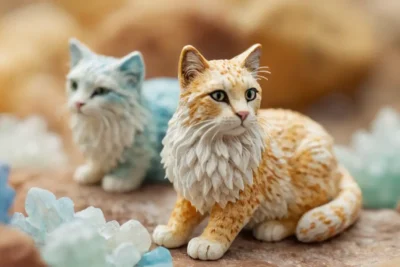
Homeopathy for Animals: Natural Healing for Pets

Homeopathy for Animals: Natural Healing for Pets
Homeopathy offers a gentle and holistic approach to animal health and well-being, focusing on stimulating the body's innate healing mechanisms. This article explores the principles of homeopathy, its applications in veterinary medicine, potential benefits, and how to approach its use for your beloved pets. We will delve into the historical context, the concept of "like cures like," and practical considerations for pet owners seeking natural alternatives for their animal companions, with a particular focus on Homeopathy for animals.
𝙲𝚘𝚗𝚝𝚎𝚗𝚝
- Understanding the Principles of Homeopathy
- Homeopathy for Animals: Applications and Benefits
- How Homeopathic Treatment for Animals Works
- Scientific Perspectives and Criticisms
- Integrating Homeopathy with Conventional Veterinary Care
- Practical Considerations for Pet Owners
- In summary: A Holistic Path for Animal Well-being
Understanding the Principles of Homeopathy
Homeopathy is a system of alternative medicine developed by Samuel Hahnemann in the late 18th century. Its core principles are based on two fundamental laws: the Law of Similars and the Law of Infinitesimals.
The Law of Similars: "Like Cures Like"
This is the cornerstone of homeopathic practice. It posits that a substance which causes symptoms in a healthy person or animal can, when administered in a highly diluted form, cure similar symptoms in a sick person or animal. For instance, if an onion makes your eyes water and nose run, a homeopathic remedy made from onion (Allium cepa) might be used to treat hay fever with similar symptoms. The idea is to introduce a "provocation" to the body that stimulates its own healing response, rather than directly combating the disease.
The Law of Infinitesimals: Dilution and Potentization
Homeopathic remedies are prepared through a process of serial dilution and succussion (vigorous shaking). Dilutions are typically expressed as "X" (for decimal dilutions, 1 part substance to 9 parts solvent) or "C" (for centesimal dilutions, 1 part substance to 99 parts solvent). For example, a 6X dilution means the original substance has been diluted 10-fold six times (10^6 times in total). A 30C dilution is a much higher dilution (10^60 times).
Despite these extreme dilutions, where often no molecules of the original substance remain, homeopaths believe that the solvent (usually water or alcohol) retains a "vital energy" or "imprint" of the original substance. This process of succussion is thought to enhance this energetic imprint, a process called potentization. This concept is often the most challenging for conventional scientific understanding, as it deviates from known material science.
Homeopathy for Animals: Applications and Benefits
The principles of Homeopathy for animals are applied in a similar fashion to human homeopathy, focusing on individualizing treatment based on the animal's specific symptoms, temperament, and overall constitution. It's not about treating a disease label, but rather the unique manifestation of illness in a particular animal.
Homeopathy for Cats: Natural Healing for Feline HealthCommon Conditions Treated with Homeopathy in Animals
Homeopathy has been used for a wide range of conditions in animals, including:
- Behavioral issues: Anxiety, fear, aggression, separation distress, phobias (e.g., thunderstorms, fireworks).
- Acute conditions: Minor injuries, digestive upset, ear infections, eye irritations, sudden onset lameness, mild fevers.
- Chronic conditions: Arthritis, skin allergies, respiratory problems, digestive disorders, hormonal imbalances, post-operative recovery.
- Emotional distress: Trauma, grief, stress from travel or changes in environment.
Potential Benefits of Homeopathy for Animals
Proponents of Homeopathy for animals highlight several potential benefits:
- Gentle and Safe: Remedies are highly diluted and generally considered safe with no known side effects, making them suitable for animals of all ages, including young puppies and kittens, and elderly pets. They are less likely to cause organ damage or toxic reactions compared to some conventional medications.
- Holistic Approach: Homeopathy considers the animal as a whole, encompassing their physical, emotional, and mental state. This can lead to a deeper understanding of the underlying causes of illness.
- Individualized Treatment: Each animal is treated as an individual, with remedies chosen to match their specific symptoms and personality. This contrasts with a one-size-fits-all approach.
- Non-Invasive: Remedies are typically administered orally, either dropped directly into the mouth, mixed with water, or added to food.
- Stimulates Natural Healing: The aim is to support the body's own healing power rather than suppress symptoms.
How Homeopathic Treatment for Animals Works
A homeopathic veterinarian or practitioner will conduct a thorough case history, which is a detailed interview about your animal's symptoms, behavior, diet, environment, and medical history. They will ask questions like:
- What are the exact symptoms? When did they start? What makes them better or worse?
- How does your pet behave? Are they fearful, anxious, aggressive, playful, or lethargic?
- What are their eating and drinking habits?
- How do they interact with other animals and people?
- What are their sleeping patterns?
- Have there been any recent changes in their life?
Based on this comprehensive assessment, the practitioner will select a single homeopathic remedy that best matches the totality of the animal's symptoms. The remedy is then prescribed in a specific potency and frequency.
The Consultation Process
The initial consultation for Homeopathy for animals can be lengthy, often lasting an hour or more. Follow-up appointments are scheduled to monitor the animal's progress and adjust the treatment if necessary. It's important to note that in homeopathy, a temporary worsening of symptoms (known as a homeopathic aggravation) can sometimes occur before improvement. This is often seen as a positive sign that the remedy is stimulating the healing process.
Choosing a Homeopathic Practitioner
When seeking Homeopathy for animals, it is crucial to find a qualified and experienced homeopathic veterinarian or a practitioner with specific training in veterinary homeopathy. They will have a strong understanding of both conventional veterinary medicine and homeopathic principles.
Homeopathy for Dogs with Allergies: A Gentle ApproachScientific Perspectives and Criticisms
It is important to acknowledge that homeopathy, including Homeopathy for animals, is a controversial area. The scientific community generally regards homeopathy as a pseudoscience due to the lack of plausible biological mechanisms for how such highly diluted substances could have a physiological effect.
Challenges to Scientific Validation
- Mechanism of Action: The concept of water retaining an "imprint" of a substance after extreme dilution contradicts fundamental principles of chemistry and physics.
- Reproducibility: Many studies on homeopathy have failed to demonstrate consistent and reproducible effects beyond the placebo effect in rigorous scientific trials.
- Placebo Effect: Critics argue that any perceived benefits of homeopathy are due to the placebo effect, which can be significant in both humans and animals, as well as the inherent ability of the body to heal itself over time. The strong placebo effect in pets is often attributed to the owner's belief and care.
Despite these criticisms, many pet owners and some veterinarians report positive experiences and outcomes with homeopathic treatments for their animals. This often leads to continued interest and use of homeopathy as a complementary or alternative therapy.
Integrating Homeopathy with Conventional Veterinary Care
Many practitioners advocate for using homeopathy as a complementary therapy alongside conventional veterinary medicine. This means that homeopathy can be used to support the animal's overall health and well-being, manage side effects of conventional treatments, or address specific symptoms that may not be fully resolved by conventional approaches.
When to Seek Conventional Veterinary Care
It is vital to understand that Homeopathy for animals is not a replacement for essential conventional veterinary care, especially in emergency situations or for serious, life-threatening conditions. Always consult with a conventional veterinarian for diagnosis and treatment of acute illnesses, injuries, or conditions that require immediate medical intervention. Homeopathy should be considered an adjunct therapy under the guidance of a qualified practitioner.
Signs Your Pet Needs Immediate Veterinary Attention:
- Severe pain or distress
- Difficulty breathing
- Uncontrolled bleeding
- Collapse or loss of consciousness
- Ingestion of toxins
- Seizures
- Inability to urinate or defecate
- Severe vomiting or diarrhea, especially with blood
Practical Considerations for Pet Owners
If you are considering Homeopathy for animals for your pet, here are some practical tips:
- Research Qualified Practitioners: Look for veterinarians who are trained and experienced in veterinary homeopathy. Professional organizations for homeopathic veterinarians can be a good starting point.
- Have Realistic Expectations: Understand that homeopathy may not work for all conditions or all animals. Be patient and observe your pet's response.
- Communicate with Your Veterinarian: Discuss your interest in homeopathy with your conventional veterinarian to ensure it complements your pet's existing care plan.
- Observe Your Pet Closely: Keep a detailed record of your pet's symptoms, behavior, and any changes you observe before and after starting homeopathic treatment. This information will be valuable for your practitioner.
- Avoid Self-Prescribing: While some over-the-counter homeopathic remedies are available, it is best to have a professional prescribe remedies for your pet to ensure the correct remedy, potency, and dosage are used.
- Consider the Animal's Temperament: Some animals are more receptive to treatments administered orally. If your pet is highly stressed by being handled, discuss alternative administration methods with your practitioner.
In summary: A Holistic Path for Animal Well-being
Homeopathy for animals represents a gentle, holistic approach to health that seeks to empower the animal's own vital force to heal. While its scientific basis remains a subject of debate, many pet owners find it to be a valuable option for supporting their animal's well-being, particularly for chronic conditions, behavioral issues, and promoting overall vitality. By understanding its principles, consulting with qualified practitioners, and integrating it thoughtfully with conventional veterinary care, pet owners can explore homeopathy as one avenue towards a healthier and happier life for their furry companions.
Homeopathy for Dogs with Epilepsy: An Alternative Approach
Cat Urinary Crystals: Types, Symptoms & Treatment Guide
Cat Weight: How Do I Know If My Cat Is Fat?
Encephalitis in Dogs: Symptoms, Causes & Treatment
Dog Cavities: Causes, Symptoms, and Treatment Options
Natural Flea Relief: Home Remedies for Fleas in Cats

Newborn Puppy Feeding Guide: From Birth to Weaning
Related posts