
Horse Classes: A Comprehensive Guide to Riding Disciplines
Horse Classes: A Comprehensive Guide to Riding Disciplines
Horse riding encompasses a vast array of disciplines, each demanding unique skills, training, and dedication from both horse and rider. Understanding the diverse world of horse classes can be both fascinating and informative, whether you're a seasoned equestrian looking to broaden your horizons or a curious newcomer eager to learn. This comprehensive guide will delve into the most popular and significant horse classes, exploring their origins, fundamental principles, required equipment, and the qualities that make them so captivating. From the elegance of dressage to the thrilling speed of racing, and the rustic charm of Western riding to the adventurous spirit of endurance, there’s a horse class to suit every passion and personality.
The Foundation: Understanding Equestrian Disciplines
Before diving into specific horse classes, it's essential to grasp the overarching categories that often define them. Equestrian sports can broadly be divided into several key areas:
- English Riding: This broad category encompasses disciplines that originated in Europe and typically involve a more upright riding posture, a flat saddle, and a focus on precision and communication between horse and rider.
- Western Riding: Stemming from the traditions of North American cowboys, Western riding emphasizes a more relaxed posture, a different style of saddle, and disciplines often related to working livestock.
- Racing: These disciplines are centered around speed, stamina, and the competitive spirit of horses.
- Driving: Involves a horse or horses pulling a vehicle, judged on obedience, agility, and presentation.
- Endurance and Trail Riding: These focus on a horse's stamina, fitness, and ability to navigate varied terrain over long distances.
Each of these broad areas then branches into numerous specific horse classes, each with its own set of rules, scoring systems, and specialized training methodologies.
English Riding Disciplines: Elegance and Precision
English riding is characterized by its emphasis on the horse's responsiveness, collection, and grace. The rider's aids are subtle, and communication is often through the seat, legs, and hands.
Dressage: The Art of Equestrian Ballet
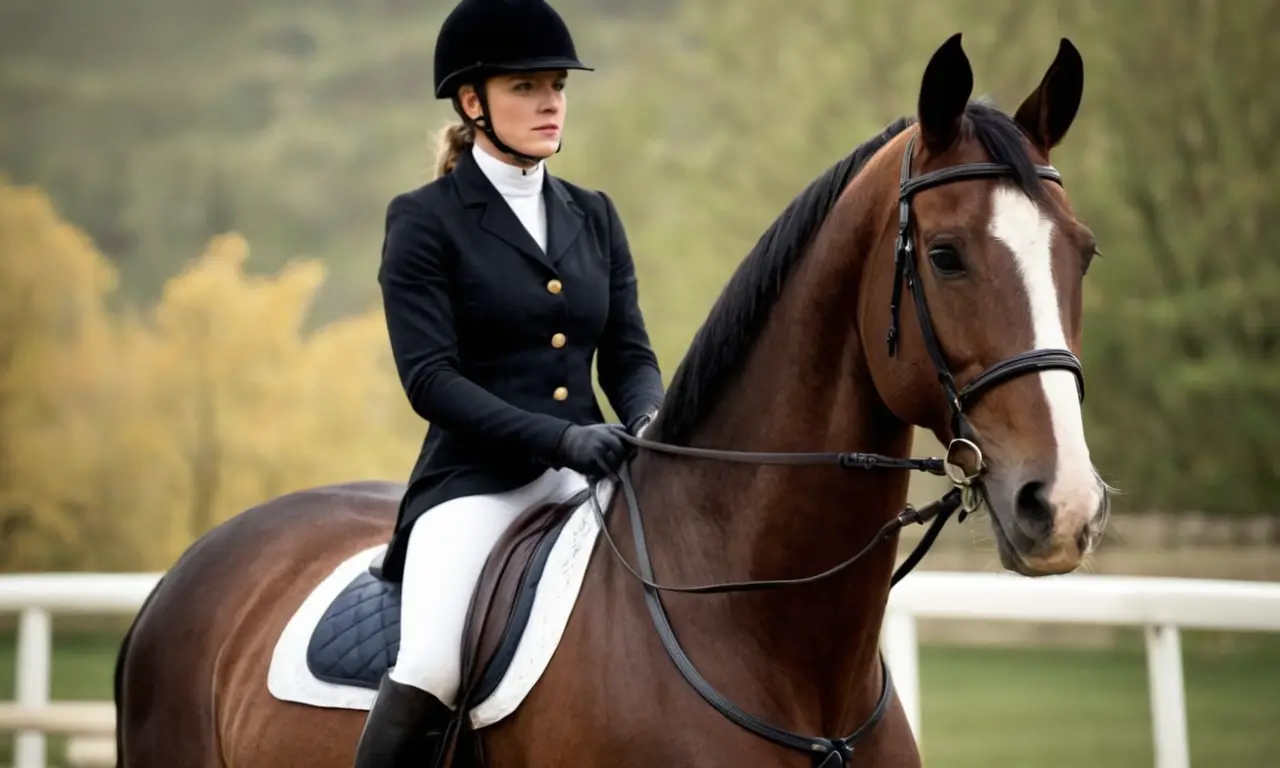
Dressage is arguably the most refined of the horse classes. It's often described as ballet on horseback, where the horse performs a series of predetermined movements with precision, suppleness, and obedience. The goal is to showcase the horse's natural athleticism and its harmonious partnership with the rider.
- Origins: Dressage has roots in classical horsemanship, dating back to ancient Greece, and was further developed by military cavalry schools in Europe.
- Key Movements: These include various gaits (walk, trot, canter), transitions between gaits, lateral movements (such as leg-yield, travers, renver), pirouettes, and flying changes.
- Judging: Riders are judged on the execution of the test, the horse's submission, impulsion, elasticity, rider's position and seat, and the overall harmony of the partnership.
- Equipment: A dressage saddle, with its deep seat and long, straight flaps, is designed to help the rider maintain a correct and balanced position. A snaffle bridle is typically used.
Show Jumping: Overcoming Obstacles with Agility
Show jumping tests the horse's athleticism, courage, and willingness to jump over a series of obstacles. It's a dynamic and exciting discipline that requires a bold and athletic horse and a rider with excellent timing and balance.
Stop Dog Barking Alone: Your Complete Guide- Objective: To complete a course of jumps within a set time limit, incurring the fewest faults. Faults are given for knocking down an obstacle, refusing to jump, or exceeding the time limit.
- Course Design: Courses are designed to challenge the horse and rider with various types of jumps, including verticals, oxers, and combinations.
- Rider Skills: Requires excellent jumping position, control, and the ability to adjust the horse's stride effectively.
- Equipment: A jumping saddle, which has a flatter seat and more forward-cut flaps to facilitate the rider's jumping position, is essential. Protective boots for the horse's legs are also common.
Eventing: The Ultimate Test of Versatility
Eventing is a triathlon for horses and riders, combining the precision of dressage, the speed and bravery of cross-country jumping, and the athleticism of show jumping. It’s considered one of the most demanding and challenging equestrian sports.
- Phases:
- Dressage: Assesses the horse's obedience and rideability.
- Cross-Country: The most visually spectacular phase, where horse and rider navigate a course of fixed obstacles (logs, ditches, water jumps) over varied terrain. This tests the horse's stamina, bravery, and the rider's judgment.
- Show Jumping: A final test of nerve and agility after the demanding cross-country phase.
- Requirements: Eventing horses need to be exceptionally athletic, sound, brave, and versatile, with riders requiring strong all-around riding skills and good judgment.
- Equipment: Similar to show jumping but with robust cross-country boots for added protection and often a cross-country vest for rider safety.
Hunter Under Saddle: Demonstrating Natural Movement
Hunter under saddle classes evaluate the horse's suitability as a hunter in a show ring. The focus is on the horse's conformation, temperament, and its ability to move smoothly and efficiently at the walk, trot, and canter.
- Judging: Judges look for a horse that is well-behaved, exhibits good manners, and moves with a fluid, ground-covering stride.
- Gaits: Horses are asked to demonstrate a walk, a slow jog (trot), a regular canter, and sometimes a hand gallop.
- Rider's Role: The rider's task is to present the horse to its best advantage, maintaining a balanced and professional appearance.
Western Riding Disciplines: A Legacy of Ranch Work
Western riding disciplines are rooted in the practical skills developed by cowboys for working with cattle and horses on ranches. They often involve a more relaxed riding style and a focus on control and responsiveness in a working context.
Reining: Precision and Control in the Arena
Reining is the Western equivalent of dressage, showcasing the horse's ability to perform complex maneuvers with finesse and control. It's a fast-paced and exciting discipline that highlights the training and partnership between horse and rider.
- Key Maneuvers: These include spins (rapid turns on the forehand), sliding stops (where the horse's hindquarters slide a significant distance), lead changes, and circles.
- Judging: Riders are judged on the accuracy, smoothness, and control of their maneuvers, as well as the horse's responsiveness to the rider's cues.
- Equipment: Western saddles, designed for long hours in the saddle and providing stability during maneuvers, are used. Hackamore or bitless bridles are also common.
Western Pleasure: Smoothness and Relaxation
Western pleasure classes assess the horse's suitability as a pleasure riding mount. The emphasis is on a calm demeanor, smooth gaits, and a horse that is pleasant to ride.
- Gaits: Horses are shown at a walk, jog (a slow, extended trot), and lope (a relaxed, extended canter).
- Judging: Judges are looking for horses that are quiet, well-mannered, and move with a relaxed and comfortable gait. Conformation is also considered.
- Rider Presentation: Riders should appear relaxed and be able to present their horse effectively.
Trail: Navigating Obstacles with Confidence
Trail classes simulate real-world riding experiences by having horses navigate a course of obstacles designed to mimic those found on a trail. This discipline tests the horse's confidence, composure, and ability to handle various challenges.
Drug Detection Dog Training: A Comprehensive Guide- Obstacles: Common obstacles include gates to open and close, bridges, logs to step over, water obstacles, and L-shaped turns.
- Judging: Horses are judged on their willingness and ability to perform the obstacles safely and smoothly, with a calm and confident attitude.
- Rider's Role: The rider must guide the horse through the obstacles with subtle cues, demonstrating control and partnership.
Cutting and Reined Cow Horse: Working with Livestock
These disciplines are directly related to the traditional work of cowboys, focusing on the horse's ability to separate a single calf from a herd and control its movements. They demand exceptional agility, responsiveness, and a strong understanding of cattle behavior.
- Cutting: The horse must isolate a calf from a herd and then prevent it from returning for a set period, demonstrating its "cow sense."
- Reined Cow Horse: Combines reining maneuvers with working a cow, including a fence work section where the horse must run the cow up and down the arena fence.
- Qualities: These disciplines require horses with incredible athleticism, quick reflexes, and a strong partnership with a skilled rider.
Other Notable Horse Classes
Beyond the dominant English and Western disciplines, several other horse classes are popular and showcase unique aspects of horsemanship.
Racing: The Thrill of the Chase
Horse racing is one of the oldest and most popular equestrian sports, focusing purely on speed and stamina. Various breeds and racing styles exist.
- Types: Flat racing (on a track), steeplechase (over jumps), harness racing (pulling a sulky).
- Breeds: Thoroughbreds are the dominant breed in flat racing, while Quarter Horses are popular in shorter, faster races.
- Excitement: The thrill of the competition and the raw power of the racing horses make it a captivating spectator sport.
Endurance Riding: Pushing the Limits of Stamina
Endurance riding is a test of a horse's stamina and the rider's ability to manage their horse's fitness over long distances, typically from 25 to 100 miles in a single day.
- Focus: The well-being of the horse is paramount. Regular veterinary checks are conducted to ensure the horse is fit to continue.
- Terrain: Rides take place over varied terrain, from desert trails to mountainous paths.
- Partnership: Requires a deep understanding of the horse's physical needs and a strong, resilient partnership.
Driving: Elegance and Control with a Vehicle
Driving competitions showcase the horse's ability to perform various tasks while pulling a vehicle. It requires a horse that is calm, obedient, and responsive to the driver's commands.
- Disciplines: Can include dressage (precision in maneuvering), cones (navigating a course without knocking over obstacles), and cross-country marathon (a demanding test of speed and endurance over varied terrain).
- Vehicle Types: Range from traditional carriages to modern marathon carts.
- Skill: Requires excellent horsemanship and a keen understanding of balance and control.
Choosing the Right Horse Class
The world of horse classes is vast and varied, offering opportunities for diverse interests and skill sets. When considering which discipline to pursue, it's important to:
Dog Carrier Training: Easy Steps for a Happy Pup- Consider your horse's temperament and conformation: Some breeds and individual horses are naturally suited to certain disciplines.
- Assess your own riding goals and interests: Do you enjoy precision and finesse, or do you prefer speed and athleticism?
- Seek experienced instruction: A qualified instructor can guide you and your horse towards the most appropriate discipline and provide the necessary training.
- Attend local events: Watching different horse classes live can provide valuable insights and inspiration.
Whether you're drawn to the intricate patterns of dressage, the adrenaline of show jumping, the ruggedness of Western riding, or the quiet endurance of long-distance trails, there is a horse class that will allow you to forge an incredible bond with your equine partner and explore the incredible world of equestrianism. The journey of learning and competing in these diverse disciplines is as rewarding as the destination itself, fostering discipline, perseverance, and a profound respect for these magnificent animals.
Cat Leash Training: Your Step-by-Step Guide
Mastering Dog Training: Defense & Attack Techniques

Dog Behavior Expert: When Your Pet Needs Guidance
Stop Garden Holes: Effective Ways to Prevent Dog Digging

Overcoming Canine Insecurity & Fear: A Comprehensive Guide
Stop Male Dog Fights: Expert Tips for Harmony
Related posts