

Stop Dog Poop: Your Ultimate Garden Protection Guide
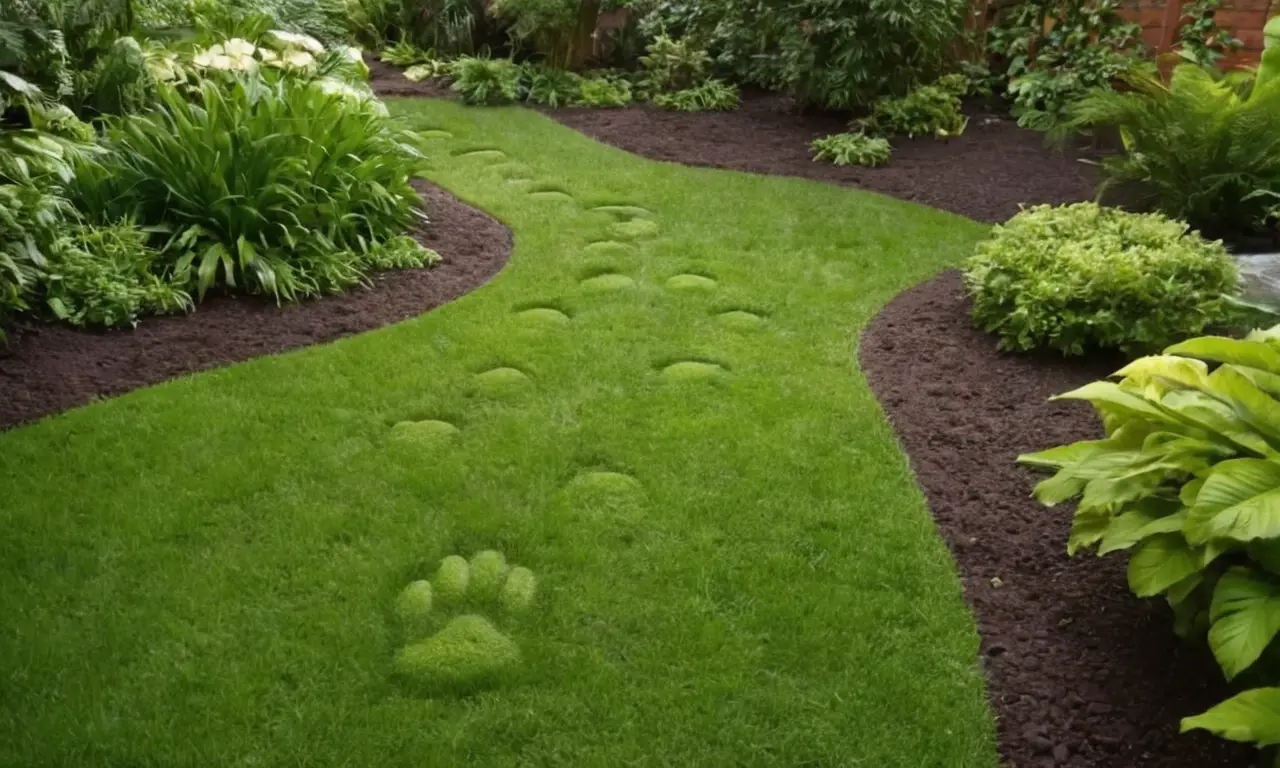
Stop Dog Poop: Your Ultimate Garden Protection Guide
This comprehensive guide addresses the common and frustrating problem of dogs defecating in your garden. We'll explore the reasons behind this behavior, effective deterrents, and preventative strategies to reclaim your outdoor space.
Understanding Why Dogs Defecate in Gardens
Before we can effectively stop dogs from defecating in your garden, it's crucial to understand why they might be doing it in the first place. Dogs are creatures of habit and instinct, and their motivations can vary.
- Territorial Marking: For many dogs, defecating is a form of territorial marking. They leave their scent to communicate their presence to other dogs. Your garden, especially if it's a desirable or frequently visited area, can become an attractive target for this. This is particularly common with unneutered male dogs, but females can also engage in territorial marking.
- Scents and Attraction: Dogs have an incredible sense of smell. If other dogs have already defecated in your garden, the lingering scent can act as a powerful attractant for other dogs. They may see it as a communal "restroom" or a place to leave their own mark in response to others.
- Lack of Alternative Options: In some cases, dogs may defecate in your garden simply because they haven't been adequately trained to do so elsewhere, or they don't have a designated potty area. If they are let loose in the garden without supervision or guidance, they might choose the most convenient spot.
- Anxiety or Stress: While less common for random garden defecation, some dogs might relieve themselves due to stress or anxiety. This could be triggered by loud noises, new environments, or separation anxiety. However, this is usually a more generalized behavior rather than specific to your garden.
- Seeking Familiarity: If a dog has had positive experiences or associations with your garden in the past (perhaps playing there), they might feel comfortable enough to defecate there.
- Play and Exploration: For puppies and younger dogs, their exploration of the world includes scent marking and relieving themselves as part of their learning process.
Identifying the Culprits and Their Habits
The first step in addressing the problem is to identify who is leaving the unwelcome gifts and when. Observing the situation can provide valuable clues for crafting the right solution.
- Direct Observation: If possible, try to observe your garden during times when dogs are likely to pass by or visit. This might be early morning, late afternoon, or evening.
- Foot Traffic Patterns: Note the times of day and routes that dogs (and their owners) typically take past your property. Are there specific neighbors whose dogs frequently walk by?
- Type of Feces: While this might sound unpleasant, the size and consistency of the feces can sometimes offer clues about the dog's diet and health, but more importantly, it can help you differentiate between different dogs if multiple offenders are involved.
- Timing: Do the incidents happen at specific times of the day or night? This can help you strategize your deterrents.
Effective Deterrents: Creating an Uninviting Environment
Once you have a better understanding of the problem, you can implement a variety of deterrents to make your garden less appealing to dogs for defecation. The key is to make your garden an unpleasant or inaccessible place for them to relieve themselves.
1. Physical Barriers
The most straightforward approach is to prevent dogs from accessing your garden in the first place.
Stop Dog Eating Cat Food: Effective Strategies & Solutions- Fencing: A sturdy and well-maintained fence is the most effective physical barrier. Ensure it's tall enough to prevent jumping over and has no gaps at the bottom that dogs can squeeze through. Consider mesh or solid fencing depending on your aesthetic preferences and the size of the dogs you're trying to deter.
- Gates: Keep gates securely closed at all times. If you have a gate that is frequently left open by visitors or delivery personnel, consider adding a latch that is more difficult to operate or a sign reminding people to close it.
- Temporary Barriers: For specific areas of your garden that are particularly attractive or problematic, you can use temporary barriers like garden netting, temporary fencing, or even strategically placed potted plants to block access.
2. Scent-Based Deterrents
Dogs rely heavily on their sense of smell, so using scents they dislike can be a powerful deterrent.
- Commercial Repellents: Many pet stores offer commercial dog repellent sprays. These are often formulated with natural ingredients like essential oils (citrus, citronella, eucalyptus) or bittering agents that dogs find unpleasant. Follow the product instructions carefully and reapply regularly, especially after rain.
- Natural Scents:
- Citrus Peels: Dogs generally dislike the smell of citrus. Scatter orange, lemon, or grapefruit peels around the perimeter of your garden.
- Vinegar: Diluted white vinegar can be sprayed around the edges of your garden. The strong smell is off-putting to dogs. Be cautious not to overspray, as it can affect plant growth if applied directly to soil in high concentrations.
- Coffee Grounds: Used coffee grounds can deter some dogs due to their strong aroma. Scatter them around your garden beds.
- Ammonia (with caution): A small amount of ammonia mixed with water and sprayed in problem areas can be effective, but this should be used with extreme caution as it can be harmful to plants and other animals if not diluted properly. It's generally safer to opt for less potent natural deterrents.
- Cayenne Pepper or Chili Powder: While effective for some, this can be problematic. It can irritate a dog's eyes, nose, and paws, potentially causing them distress or even injury. Use this as a last resort and with extreme caution, or avoid it altogether.
- Urine of Natural Predators: While not practical for most homeowners, some products are designed to mimic the scent of predators like foxes or coyotes. This can create an instinctual fear in dogs and deter them from entering.
Important Note on Scent Deterrents: Reapplication is key. Rain, sunlight, and time will diminish the effectiveness of scent-based deterrents. You'll need to refresh them regularly, especially after watering your garden or after a rain shower.
3. Texture-Based Deterrents
Changing the texture of the ground can make it less appealing for dogs to walk and squat on.
- Gravel or Pine Cones: Spreading a layer of coarse gravel, pine cones, or sharp mulch around the edges of your garden or in specific problem areas can make the ground uncomfortable for dogs to stand on.
- Prickly Plants: Planting certain thorny or prickly plants along the garden borders can create a natural deterrent. Examples include roses, barberry, or pyracantha.
4. Auditory Deterrents
While less common for gardens, some people use motion-activated sprinklers.
- Motion-Activated Sprinklers: These devices detect movement and spray a burst of water. This can startle dogs and deter them from entering or lingering in your garden. Ensure the sprinkler's range covers the areas where dogs are entering.
Training and Prevention: Long-Term Solutions
While deterrents can offer immediate relief, focusing on training and preventative measures will provide more sustainable solutions.
Stop Dog Scratching Wounds: Vet-Approved Solutions1. Training Your Own Dog (If Applicable)
If the problem is with your own dog, consistent and positive reinforcement training is essential.
- Designated Potty Area: Establish a specific spot in your yard for your dog to relieve themselves. Take them to this area frequently, especially after waking up, after meals, and before bedtime.
- Positive Reinforcement: When your dog successfully eliminates in the designated area, offer immediate praise, a small treat, and a playful interaction. This reinforces the desired behavior.
- Leash Supervision: When your dog is in the garden, supervise them closely on a leash, especially during the training phase. If you see them about to relieve themselves in an inappropriate spot, interrupt them with a gentle command ("no" or "leave it") and immediately take them to their designated potty area.
- Clean Up Accidents Promptly: If your dog has an accident in the garden, clean it up immediately and thoroughly with an enzymatic cleaner. This removes the scent, which can otherwise attract them back to the same spot.
2. Addressing Neighboring Dogs
If the issue involves neighborhood dogs, a polite conversation can sometimes be the most effective first step.
- Polite Conversation: Approach your neighbors in a friendly and non-confrontational manner. Explain the situation and express your concerns. They may not be aware of the problem or their dog's behavior.
- Suggest Solutions: You can subtly suggest solutions, such as keeping their dog on a leash during walks or being more mindful of where their dog relieves itself.
- Community Agreement: If multiple neighbors are experiencing the same issue, consider discussing it as a community and agreeing on responsible pet ownership practices.
3. Professional Help
If you've tried various deterrents and training methods with little success, consider seeking professional advice.
- Dog Trainer: A certified professional dog trainer can help identify the root cause of the behavior and develop a tailored training plan.
- Veterinarian: In rare cases, excessive defecation or inappropriate elimination can be a sign of an underlying medical issue. A veterinarian can rule out any health concerns.
Maintaining Your Garden's Integrity
Once you've implemented measures to stop dogs from defecating in your garden, it's important to maintain these efforts.
- Regular Cleaning: Continue to clean up any stray feces promptly, regardless of whether it's from your dog or a visiting dog. This prevents scent from accumulating and attracting other animals.
- Replenish Deterrents: Reapply scent-based deterrents regularly, especially after rain or watering.
- Monitor Barriers: Ensure your fences and gates remain secure and free of any new gaps or entry points.
- Observe and Adapt: Continue to observe your garden and the behavior of local dogs. Be prepared to adapt your strategies if the problem re-emerges or changes.
Frequently Asked Questions About How can I stop dogs from defecating in my garden?
- Will natural deterrents harm my plants? Most natural deterrents, like citrus peels and diluted vinegar, are generally safe for plants when used in moderation and not applied directly to the soil in concentrated amounts. Always test on a small area first.
- How often do I need to reapply scent deterrents? This depends on the product and weather conditions. Generally, reapply every few days or after rain.
- Is it okay to use cayenne pepper? While it can be effective, cayenne pepper can cause irritation and distress to dogs. It's best to explore gentler, less harmful alternatives.
- What if the dogs are strays? If you suspect stray dogs are the issue, you may need to contact your local animal control or humane society for assistance.
- Can my own dog be trained not to defecate in the garden? Absolutely! With consistent training and positive reinforcement, you can teach your dog to use a designated potty area.
By understanding the reasons behind this behavior and employing a combination of physical barriers, scent deterrents, and consistent training, you can effectively reclaim your garden and enjoy a clean, pleasant outdoor space.
How Do Cats Mark Territory & Affection? A Deep Dive
Cat Urinary Crystals: Types, Symptoms & Treatment Guide

Cat Weight: How Do I Know If My Cat Is Fat?
Encephalitis in Dogs: Symptoms, Causes & Treatment
Dog Cavities: Causes, Symptoms, and Treatment Options
Natural Flea Relief: Home Remedies for Fleas in Cats
Newborn Puppy Feeding Guide: From Birth to Weaning
Related posts