
Cat Weight: How Do I Know If My Cat Is Fat?
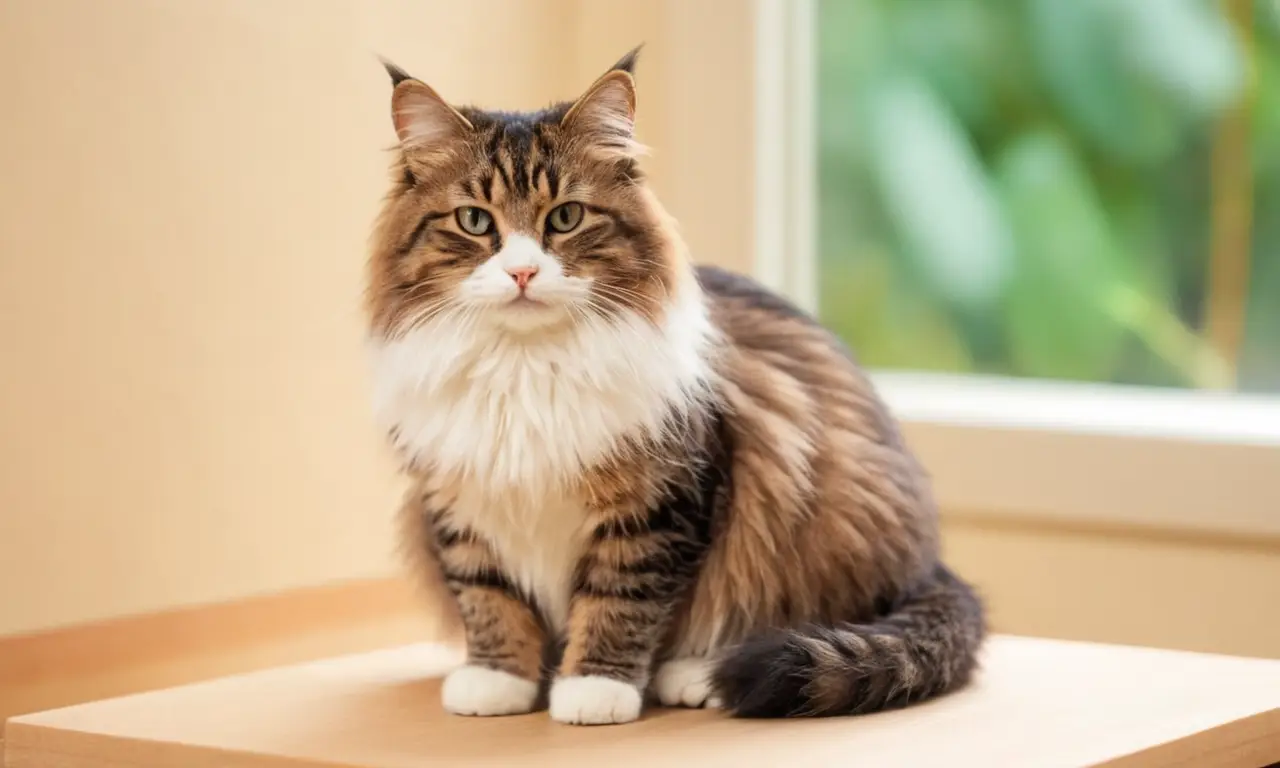
How Do I Know If My Cat Is Fat? Recognizing if your feline companion is carrying extra pounds is crucial for their long-term health and happiness. This article will guide you through the signs, methods, and considerations for assessing your cat's weight, empowering you to make informed decisions about their diet and lifestyle.
𝙲𝚘𝚗𝚝𝚎𝚗𝚝
Understanding Ideal Cat Weight
Before you can determine if your cat is overweight, it's essential to understand what constitutes an ideal weight for them. This is not a one-size-fits-all scenario. Several factors influence a cat's healthy weight range, including breed, age, sex, and build. For instance, a Maine Coon will naturally weigh more than a Siamese, and a kitten's ideal weight is vastly different from a senior cat's.
Generally, an adult cat's healthy weight can range from 8 to 10 pounds (approximately 3.6 to 4.5 kilograms). However, this is a broad generalization. Some larger breeds might have healthy weights up to 15-20 pounds (6.8-9 kilograms), while some smaller breeds might be healthy at 6 pounds (2.7 kilograms). The key is not the number on the scale alone, but rather the cat's body condition.
The Body Condition Score (BCS)
The most reliable way to assess your cat's weight is by using a Body Condition Score (BCS). This is a visual and tactile assessment tool developed by veterinarians. It uses a scale, typically from 1 to 9 (though some systems use 1 to 5), to categorize a cat's body fat.
A BCS of 4-5 (on a 1-9 scale) is generally considered ideal.
Cat Heatstroke Signs: How Do I Know If My Cat Is Hot?- BCS 1-3 (Underweight): Ribs, spine, and pelvic bones are easily visible and felt with no fat covering. The waist is prominent.
- BCS 4-5 (Ideal Weight): Ribs are easily palpable with a slight fat covering. A visible waist can be observed when viewed from above. Abdominal tuck is present when viewed from the side.
- BCS 6-7 (Overweight): Ribs are palpable but with moderate fat covering. Waist is slightly visible or absent. Some fat deposits may be felt on the abdomen.
- BCS 8-9 (Obese): Ribs are difficult to palpate due to significant fat covering. Waist is not visible. Significant fat deposits are present, especially on the abdomen and potentially the face and limbs.
How to Perform a BCS Assessment at Home
You can perform a basic BCS assessment at home. It involves two main steps: visual observation and tactile palpation.
1. Visual Observation
- From Above: Look at your cat from an overhead perspective. You should be able to see a distinct "waist" area behind their rib cage, tapering in before their hips. If the sides are straight or bulge outwards, your cat may be overweight. If the waist is too deep and the rib cage is very prominent, they might be underweight.
- From the Side: Observe your cat from a side profile. Their abdomen should have an "abdominal tuck," meaning it slopes upwards from the rib cage towards their hindquarters. If the abdomen appears rounded or sags downwards, it's a sign of excess weight.
2. Tactile Palpation
This is where you'll use your hands to feel your cat's body.
- Ribs: Gently run your hands along your cat's sides. You should be able to feel their ribs easily, much like the back of your hand. There should be a thin layer of fat covering them, preventing them from being overly sharp or sharp to the touch. If you have to press hard to feel the ribs, or if they are very difficult to discern, your cat likely has too much fat. If you can see and feel each individual rib very clearly with no discernible fat, your cat may be underweight.
- Spine: Feel along your cat's spine. You should be able to feel the individual vertebrae with a slight covering of fat. They shouldn't feel sharp or protruding.
- Pelvic Bones: Gently feel the hip bones on your cat's hindquarters. They should be palpable but not overly prominent.
- Abdomen: Feel the area of your cat's belly. You should be able to feel a soft pad of fat, but it shouldn't feel overly lumpy or like large deposits. A very fatty abdomen can indicate obesity.
Other Signs Your Cat Might Be Fat
Beyond the BCS assessment, there are other behavioral and physical cues that can indicate your cat is overweight:
- Reduced Activity Levels: Overweight cats often become less playful and more lethargic. They might sleep more, be less inclined to jump, and generally move slower.
- Difficulty Grooming: Excess weight can make it physically challenging for cats to reach certain parts of their bodies to groom themselves. You might notice a greasy or matted coat, especially on their back or hindquarters.
- Breathing Difficulties: Just like in humans, excess fat can put pressure on a cat's respiratory system, leading to panting after minimal exertion or even labored breathing.
- Increased Appetite (Paradoxical): While it might seem counterintuitive, some overweight cats have perpetually high appetites, constantly seeking food. This can be a sign of an underlying metabolic issue or simply a habit developed from overfeeding.
- Changes in Stool Consistency: In some cases, obesity can affect digestion, leading to changes in stool quality or frequency.
- Visible Fat Pads: You might notice prominent fat pads on their abdomen or under their chin.
Why is Cat Obesity a Concern?
It's easy to dismiss a slightly plump cat as "cute," but feline obesity is a serious health concern with significant consequences. Just like in humans, excess weight puts a strain on a cat's body and can lead to a multitude of health problems:
Cat Health Guide: How Do I Know If My Cat Is Sick?- Diabetes Mellitus: This is one of the most common and serious health issues associated with obesity in cats. Insulin resistance increases, making it difficult for the body to regulate blood sugar.
- Osteoarthritis and Joint Problems: The extra weight puts undue stress on their joints, leading to pain, inflammation, and reduced mobility. This can be particularly debilitating for older cats.
- Heart Disease: Obesity can contribute to high blood pressure and other cardiovascular issues.
- Liver Disease (Hepatic Lipidosis): This is a particularly dangerous condition that can occur when an overweight cat stops eating. Their body starts breaking down fat reserves too quickly, overwhelming the liver.
- Urinary Tract Issues: Obesity is linked to an increased risk of developing bladder stones and other urinary problems.
- Increased Surgical Risks: Anesthetizing and performing surgery on an obese cat carries higher risks.
- Reduced Lifespan: Overall, overweight cats tend to have shorter lifespans than their healthy-weight counterparts.
Consulting Your Veterinarian
The most accurate way to determine How do I know if my cat is fat? is to consult your veterinarian. They are trained to assess your cat's BCS, weigh them accurately, and discuss their individual needs.
Your vet can:
- Perform a thorough physical examination.
- Accurately weigh your cat.
- Determine their ideal healthy weight range.
- Rule out any underlying medical conditions that might be contributing to weight gain or mimicking obesity.
- Recommend a specific diet and feeding plan.
- Advise on appropriate exercise routines.
Taking Action: What to Do If Your Cat is Overweight
If you've determined that your cat is indeed overweight, it's time to take action. The good news is that with a careful and consistent approach, you can help your feline friend reach a healthier weight.
1. Dietary Adjustments
- Measure Food Accurately: Don't eyeball your cat's food. Use a measuring cup or a kitchen scale to ensure you're feeding the correct portion size.
- Choose a High-Quality Diet: Opt for a premium cat food that is balanced and appropriate for your cat's age and activity level. Your vet can recommend specific brands or types of food.
- Consider Weight Management Food: Your veterinarian may suggest a prescription weight-loss diet. These foods are typically lower in calories and fat but high in fiber and protein to help your cat feel full.
- Reduce or Eliminate Treats: Treats are often high in calories. If you do give treats, ensure they are low-calorie options and factor them into your cat's daily caloric intake.
- Avoid Free-Feeding: Leaving food out all the time can lead to overeating. Instead, feed your cat scheduled meals 2-3 times a day.
- Be Mindful of "Table Scraps": Human food is often too fatty, salty, or contains ingredients toxic to cats. Never feed your cat table scraps.
- Consider Food Puzzles: These toys can slow down eating and provide mental stimulation, making mealtime more engaging.
2. Increasing Physical Activity
- Interactive Play: Dedicate at least 15-20 minutes a day to actively play with your cat using toys like feather wands, laser pointers (used responsibly, always ending with a tangible reward), or crinkle balls.
- Puzzle Feeders: As mentioned earlier, these can encourage movement and mental engagement.
- Vertical Space: Cats love to climb. Provide cat trees, shelves, or perches to encourage them to explore and exercise their muscles.
- Rotate Toys: Keep things interesting by rotating toys to prevent boredom.
- Consider a "Walking" Routine: While not all cats will take to a harness and leash, some can be trained to walk outdoors with supervision.
3. Gradual Changes and Patience
It's crucial to make dietary and lifestyle changes gradually. Rapid weight loss can be dangerous for cats, as it can lead to hepatic lipidosis. Work closely with your veterinarian to set realistic weight loss goals (typically 1-2% of body weight per week) and monitor your cat's progress.
Cesarean Section in Cats: When is it Necessary?Patience is key. Helping your cat achieve a healthy weight is a journey, not a race. Celebrate small victories and provide consistent support.
In summary
Determining How do I know if my cat is fat? involves careful observation, a tactile assessment of their body condition, and, most importantly, consultation with your veterinarian. By understanding the signs of overweight and obesity, you can take proactive steps to ensure your beloved feline companion enjoys a long, healthy, and happy life. Prioritizing their weight management is a significant act of love and care.
Cat Urinary Crystals: Types, Symptoms & Treatment Guide

Encephalitis in Dogs: Symptoms, Causes & Treatment
Dog Cavities: Causes, Symptoms, and Treatment Options
Natural Flea Relief: Home Remedies for Fleas in Cats

Newborn Puppy Feeding Guide: From Birth to Weaning
FIP in Cats: Symptoms, Causes, and Treatment Options
Related posts