
Recognizing a Cold Rabbit: Signs & Care Tips
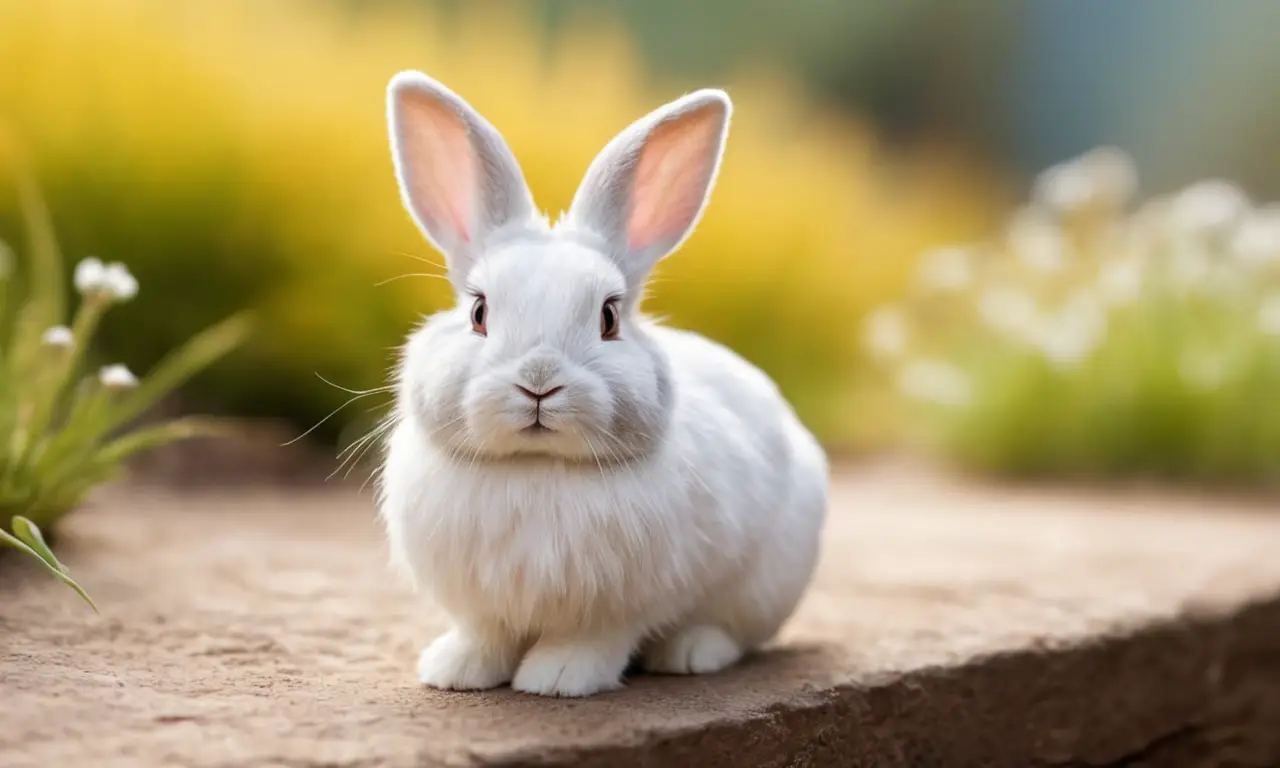
Recognizing a Cold Rabbit: Signs & Care Tips
Understanding the subtle signs that indicate your rabbit might be feeling the chill is crucial for their well-being. Rabbits, with their thick fur coats, are often perceived as hardy creatures, but they are surprisingly sensitive to extreme temperatures, both hot and cold. Hypothermia, or being dangerously cold, can rapidly affect a rabbit's health, leading to serious complications if not addressed promptly. This article will delve into the tell-tale indicators that your rabbit is cold, explain why this happens, and provide essential advice on how to keep your furry friend warm and healthy during colder months.
𝙲𝚘𝚗𝚝𝚎𝚗𝚝
Understanding Rabbit Thermoregulation
Rabbits are homeothermic, meaning they maintain a stable internal body temperature regardless of the external environment. Their fur acts as excellent insulation, trapping body heat. However, this insulation has its limits. Unlike humans who can easily add layers of clothing or seek out indoor warmth, rabbits rely on their environment and their own physiological responses to regulate their temperature. Their normal body temperature ranges between 101-104°F (38.3-40°C). When the ambient temperature drops significantly below what they are accustomed to, their bodies work harder to stay warm. This can lead to a depletion of energy reserves and, in severe cases, hypothermia.
Rabbit Sexing: How Do You Know if a Rabbit is Male or Female?Key Indicators: How Do You Know If a Rabbit is Cold?
Spotting the early signs that your rabbit is cold is paramount. These can range from behavioral changes to physical manifestations.
Behavioral Changes
- Lethargy and Reduced Activity: A noticeable decrease in your rabbit's usual energy levels is a primary indicator. If your normally active bunny is spending an unusual amount of time resting, not engaging in playtime, or is slow to move, it could be a sign they are trying to conserve energy due to the cold.
- Huddling or Curling Up Tightly: Rabbits will instinctively try to minimize heat loss. You might observe them tucking their paws under their bodies and curling into a tight ball, often with their ears pressed against their back. If they are sharing their enclosure with another rabbit, they might huddle together for warmth.
- Shivering: While less common than in other mammals, some rabbits may exhibit subtle shivering. This is their body's involuntary attempt to generate heat through muscle contractions. It might be difficult to observe, so pay close attention to any trembling.
- Loss of Appetite: When a rabbit is cold, their metabolism slows down. This can lead to a reduced appetite. While some rabbits might eat a little less, a significant and prolonged loss of appetite is a serious concern that warrants immediate attention.
- Seeking Warmer Spots: If your rabbit has access to different areas, you might see them gravitating towards warmer spots. This could mean lying on a heat source (if provided and safe) or trying to find a corner that feels less drafty.
Physical Signs
- Cold Ears: A rabbit's ears are a good indicator of their overall body temperature. If you gently touch their ears and they feel noticeably cold to the touch, it's a strong sign that their body temperature has dropped. Their ears are highly vascularized and will be among the first areas to cool down.
- Cold Extremities: Similarly, their paws and nose might feel colder than usual.
- Tucked-in Limbs: As mentioned in behavioral changes, the act of tucking limbs tightly under their body is a way to reduce surface area exposed to the cold, thus conserving heat.
- Slowed Breathing: In advanced stages of hypothermia, a rabbit's breathing might become shallow and slow. This is a critical sign that requires immediate veterinary intervention.
- Weakness and Unresponsiveness: If your rabbit is extremely cold, they may become weak, lethargic, and unresponsive. This is a medical emergency.
Factors Contributing to a Rabbit Getting Cold
Several environmental and situational factors can increase a rabbit's risk of becoming cold:
Sexing Your Fish: A Guide to Identifying Male & Female- Low Ambient Temperatures: Obviously, living in a cold climate or during winter months poses the greatest risk. Temperatures below 50°F (10°C) can start to affect rabbits, and prolonged exposure to temperatures below freezing can be life-threatening.
- Drafts and Poor Ventilation: Even if the overall room temperature is moderate, direct drafts from windows, doors, or air conditioning vents can significantly lower a rabbit's body temperature. Inadequate ventilation can also lead to moisture buildup, which can make a rabbit feel colder.
- Wet Fur: Rabbits should never get wet. If their fur becomes saturated, it loses its insulating properties, making them highly susceptible to cold. This can happen from accidents with water bowls, spills, or if they are housed in a damp environment.
- Young or Old Rabbits: Baby rabbits (kits) have not yet fully developed their thermoregulation capabilities and are much more vulnerable to cold than adult rabbits. Elderly rabbits or those with underlying health conditions may also have a compromised ability to stay warm.
- Illness or Injury: A sick or injured rabbit may have a weakened immune system and a lower body temperature, making them more prone to the effects of cold.
- Sudden Environmental Changes: Rapid drops in temperature can shock a rabbit's system, especially if they haven't had time to acclimatize.
Preventing Your Rabbit from Getting Cold
Prevention is always the best approach when it comes to keeping your rabbit safe and comfortable.
Providing a Suitable Environment
- Indoor Housing: For most pet rabbits, especially those in cooler climates, indoor housing is the safest option. This allows you to better control their environment and protect them from extreme weather.
- Draft-Free Location: Place your rabbit's hutch or enclosure in a location that is free from drafts. Avoid placing it near windows, doors, or vents.
- Insulation: If your rabbit is housed outdoors, ensure their hutch is well-insulated. You can use materials like thick bedding, straw, or even add insulation panels to the walls. Consider a hutch cover that provides an extra layer of protection from wind and rain.
- Elevated Flooring: For outdoor hutches, ensure the floor is elevated off the ground to prevent cold and dampness from seeping in.
- Bedding: Provide ample, dry bedding. Straw is an excellent insulator and can be used in large quantities to create a warm nest. Avoid using hay as primary bedding, as it can be less insulating and prone to mold if it gets damp. Change bedding regularly to keep it dry and clean.
Supplemental Warming Methods (Use with Caution)
- Heat Mats/Pads: Pet-specific, low-wattage heated mats can be placed under a portion of the enclosure, not directly in it. Ensure there's a cooler area for your rabbit to retreat to if they get too warm. Always supervise their use.
- Water Bottles: Filling a plastic water bottle with warm (not hot) water, wrapping it in a towel, and placing it in the enclosure can provide a safe, temporary heat source. Again, ensure your rabbit can move away from it.
- Avoid Human-Heated Items: Never use human heating pads, electric blankets, or space heaters directly in or near a rabbit's enclosure. These can be a fire hazard or cause burns.
Maintaining a Healthy Diet and Hydration
- High-Energy Food: During colder months, rabbits may need a slightly more calorie-dense diet to help them generate and maintain body heat. Consult with your veterinarian about adjusting their food if necessary.
- Fresh Water: Ensure your rabbit always has access to fresh, unfrozen water. In very cold weather, water bowls can freeze. Consider using heated water bowls or checking and refreshing water multiple times a day.
What to Do If You Suspect Your Rabbit is Cold
If you observe any of the signs that your rabbit is cold, act quickly.
Chemotherapy in Dogs: Understanding Its Effects & Side Effects- Move Them to a Warmer Environment: The first and most crucial step is to move your rabbit to a warmer, draft-free location indoors.
- Provide Gentle Warming:
- Offer a source of gentle warmth. This could be a warm (not hot) water bottle wrapped in a towel placed near them, or by gently holding them in a warm towel in a warm room.
- Avoid direct heat application like hot water bottles directly against their skin or hairdryers, as this can cause burns or shock.
- Offer High-Calorie Food and Water: Gently offer them a small amount of their favorite high-calorie treat or a concentrated rabbit food, and ensure they have access to fresh water.
- Monitor Closely: Keep a close eye on your rabbit's behavior and temperature. Look for signs of improvement, such as increased activity, normal appetite, and warmer ears.
- Contact Your Veterinarian: If your rabbit is showing severe signs of hypothermia (lethargy, unresponsiveness, shallow breathing, extreme cold extremities) or if their condition doesn't improve quickly with gentle warming, contact your rabbit-savvy veterinarian immediately. Hypothermia is a serious condition that can quickly become life-threatening. They can provide professional advice and treatment.
In summary
Rabbits are delicate creatures that require our attention to ensure their comfort and safety, especially when it comes to temperature regulation. By understanding the signs of a rabbit being cold, taking preventative measures to create a warm and safe environment, and knowing how to respond in an emergency, you can help your beloved pet thrive through all seasons. Always err on the side of caution when it comes to your rabbit's health, and don't hesitate to seek professional veterinary advice if you have any concerns.
Cat Urinary Crystals: Types, Symptoms & Treatment Guide
Cat Weight: How Do I Know If My Cat Is Fat?
Encephalitis in Dogs: Symptoms, Causes & Treatment
Dog Cavities: Causes, Symptoms, and Treatment Options
Natural Flea Relief: Home Remedies for Fleas in Cats

Newborn Puppy Feeding Guide: From Birth to Weaning
Related posts