

Dog Years vs Human Years: The Real Calculation
Dog Years vs Human Years: The Real Calculation
The common adage that one human year equals seven dog years is a widely known but ultimately inaccurate simplification. This "rule of thumb" has been passed down through generations, leading many pet owners to believe they have a clear understanding of their dog's age in human terms. However, the reality is far more nuanced, with a dog's aging process being influenced by a variety of factors beyond just a simple linear conversion. This article delves into the complexities of calculating dog years, exploring the scientific understanding behind it, the factors that influence a dog's lifespan, and the most accurate methods for determining how many dog years is a human year?
For decades, the seven-year rule has been the go-to method for pet owners trying to gauge their canine companions' maturity. It's an easy-to-remember formula, but it doesn't account for the rapid development puppies undergo in their first year or the slower aging process of larger breeds compared to smaller ones. Understanding the true aging curve of a dog can help us provide better care, tailor their nutrition, and anticipate potential health issues as they mature.
𝙲𝚘𝚗𝚝𝚎𝚗𝚝
The Myth of the Seven-Year Rule
The simplistic seven-to-one ratio suggests that a one-year-old dog is equivalent to a seven-year-old human, and a two-year-old dog is like a fourteen-year-old human, and so on. While this might offer a rough ballpark figure for some dogs, it fails to acknowledge the significant biological differences between the species. Puppies, for instance, reach sexual maturity much faster than human children, and their early life stages are characterized by rapid growth and development, mirroring human adolescence and even early adulthood in a compressed timeframe.
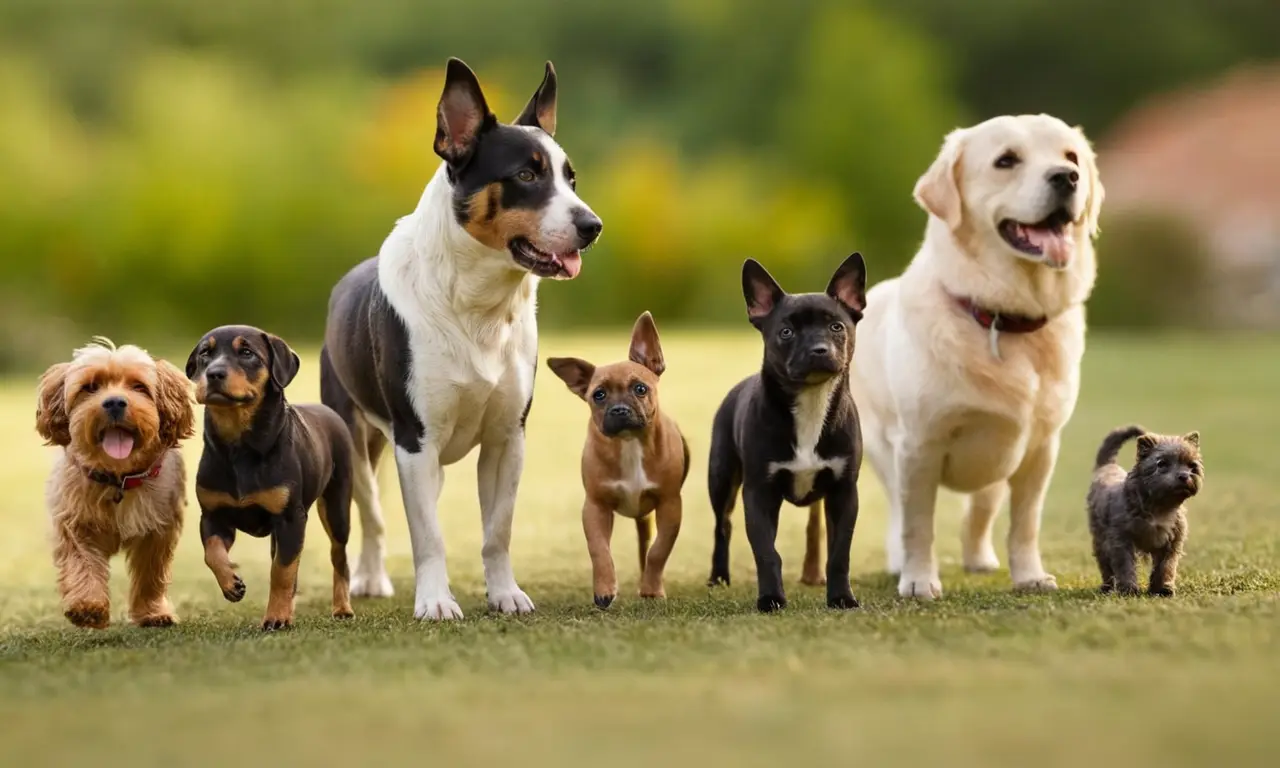
This discrepancy becomes even more apparent when considering different dog breeds and sizes. A Great Dane ages much more rapidly in its later years than a Chihuahua. Applying the same seven-year rule to both would drastically misrepresent their life stages and potential health concerns. For example, a 10-year-old Great Dane might be considered geriatric, while a 10-year-old Chihuahua could still be in its prime or middle age. The seven-year rule simply doesn't have the biological sophistication to capture these vital distinctions.
The Scientific Approach: A Non-Linear Calculation
Veterinarians and animal behaviorists have long recognized the limitations of the seven-year rule and have developed more scientifically accurate methods for calculating dog years. These methods acknowledge that a dog's aging is not linear but rather follows a curve that changes significantly over its lifetime and varies between breeds.
The most common scientific approach involves understanding that the first year of a dog's life is equivalent to approximately 15 human years. This accounts for the rapid physical and cognitive development that occurs during puppyhood. By the second year, a dog has typically reached maturity, and this year is often considered equivalent to about nine human years. After the second year, the aging process slows down considerably, and a more gradual increase in "dog years" is applied.
Belgian Shepherd: Discover the 4 Distinct TypesThis non-linear approach can be broadly summarized as follows:
- Year 1: Approximately 15 human years.
- Year 2: Approximately 9 human years.
- Each subsequent year: Approximately 4-5 human years, depending on breed size and individual health.
This more nuanced calculation provides a much closer approximation of a dog's developmental stage and potential health considerations.
Factors Influencing a Dog's Lifespan and Aging
Beyond the general calculation, several crucial factors influence how quickly a dog ages and how long it lives. Understanding these factors can help owners provide the best possible care to extend their dog's healthy lifespan.
Breed Size
This is arguably the most significant factor determining a dog's aging pace.
- Small Breeds: Generally live longer and age more slowly in their later years. Examples include Chihuahuas, Yorkshire Terriers, and Miniature Poodles. They often reach maturity around one year old and can live well into their teens or even early twenties.
- Medium Breeds: Have a lifespan and aging pace somewhere in between small and large breeds. Examples include Beagles, Border Collies, and Australian Shepherds.
- Large and Giant Breeds: Tend to have shorter lifespans and age more rapidly, especially in their senior years. Examples include Great Danes, Mastiffs, and Saint Bernards. They may reach their full size relatively quickly but will show signs of aging much earlier than smaller dogs.
Genetics
Just like humans, a dog's genetic makeup plays a significant role in its overall health and longevity. Certain breeds are predisposed to specific health conditions that can impact their lifespan. Responsible breeding practices aim to minimize these genetic predispositions, but they remain a factor.
Diet and Nutrition
A balanced, species-appropriate diet is fundamental to a dog's health and can significantly impact its lifespan. High-quality food provides essential nutrients for growth, energy, and immune function. As dogs age, their nutritional needs change, and specific diets can help manage age-related conditions, maintain mobility, and support organ function. Poor nutrition can lead to obesity, metabolic disorders, and a weakened immune system, all of which can shorten a dog's life.
Shark Diversity: Exploring the Vast Number of Shark SpeciesExercise and Lifestyle
Regular, appropriate exercise is vital for maintaining a dog's physical and mental health. It helps control weight, keeps muscles and joints strong, and reduces the risk of various health problems. A sedentary lifestyle can contribute to obesity, cardiovascular issues, and joint pain, all of which accelerate the aging process. Equally important is mental stimulation, which keeps a dog's mind sharp and can prevent behavioral issues associated with boredom or cognitive decline.
Veterinary Care
Proactive and consistent veterinary care is crucial for identifying and managing health issues early on. Regular check-ups allow veterinarians to monitor a dog's health, administer necessary vaccinations, and detect potential problems before they become severe. Early detection and treatment of diseases can significantly prolong a dog's life and improve its quality of life.
Environment and Stress
A safe, loving, and stable environment contributes to a dog's overall well-being. Chronic stress, whether due to neglect, abuse, loud noises, or constant changes, can negatively impact a dog's health and shorten its lifespan. Providing a secure and enriching environment helps reduce stress and promotes a healthier, longer life.
Calculating Your Dog's Age: Practical Applications
While a precise mathematical formula for how many dog years is a human year? remains elusive due to the numerous variables, understanding the general principles can be incredibly beneficial for pet owners.
- Puppyhood (0-1 year): This is a period of rapid growth and development. A puppy's first year is critical for socialization, training, and establishing healthy habits. During this time, they are essentially equivalent to human children and adolescents, rapidly maturing.
- Adolescence/Young Adulthood (1-2 years): Most dogs reach physical maturity by the end of their first year. The second year is often seen as their transition into adulthood. They are energetic, fully grown, and often at their peak physical condition.
- Prime of Life/Adulthood (2-7 years, varying by size): This is the longest phase of a dog's life. For smaller breeds, this period can extend longer. This is when they are typically most robust and active.
- Senior Years (7+ years, varying by size): As dogs enter their senior years, their metabolism slows, their activity levels may decrease, and they become more susceptible to age-related ailments such as arthritis, vision loss, hearing loss, and cognitive dysfunction. This is when owners need to be particularly attentive to their dog's changing needs, including diet, exercise, and veterinary care.
Tools and Resources for Age Calculation
While the exact calculation is complex, several resources can help you estimate your dog's age in human years:
- Veterinarian Consultation: The best way to understand your dog's age and health status is to consult with your veterinarian. They can assess your dog's dental health, overall physical condition, and breed-specific aging patterns to give you a more accurate estimation.
- Online Age Calculators: Many reputable veterinary websites offer interactive age calculators. These calculators often take into account your dog's breed size and current age to provide a more personalized estimation than the old seven-year rule.
- Breed-Specific Lifespan Information: Researching the average lifespan of your dog's breed can provide a good benchmark. Knowing whether your dog is a breed with a generally longer or shorter lifespan will help you contextualize its age.
Beyond the Number: Focusing on Quality of Life
Ultimately, while understanding how many dog years is a human year? is an interesting and useful exercise, the most important aspect of a dog's life is the quality of that life. Focusing on providing optimal nutrition, consistent exercise, regular veterinary care, mental stimulation, and a loving environment will contribute far more to your dog's well-being and longevity than any specific age conversion.
Spider Diversity: How Many Types of Spiders Do You Know?By recognizing that dogs age differently based on various factors and moving beyond simplistic rules, pet owners can better understand their canine companions' needs at every stage of life. This knowledge empowers us to provide the best possible care, forge stronger bonds, and ensure our furry family members enjoy happy, healthy, and fulfilling lives. The goal isn't just to know how old they are in human terms, but to ensure they are living their best possible lives for as long as possible.
Dog Color Vision: How Do Dogs Recognize & Distinguish Colors?

Fila Brasileiro: The Majestic Mastiff of Brazil Explored
Basenji: The Enigmatic Barkless Dog – Congo Terrier Facts
Dog Language & Calm Signals: The Complete Guide
The Enduring Bond: Dogs & Humans, 14,000 Years
Dalmatian Dog: History, Traits & Fun Facts
Related posts