

Cat Feeding: How Many Times a Day Should Your Feline Eat?
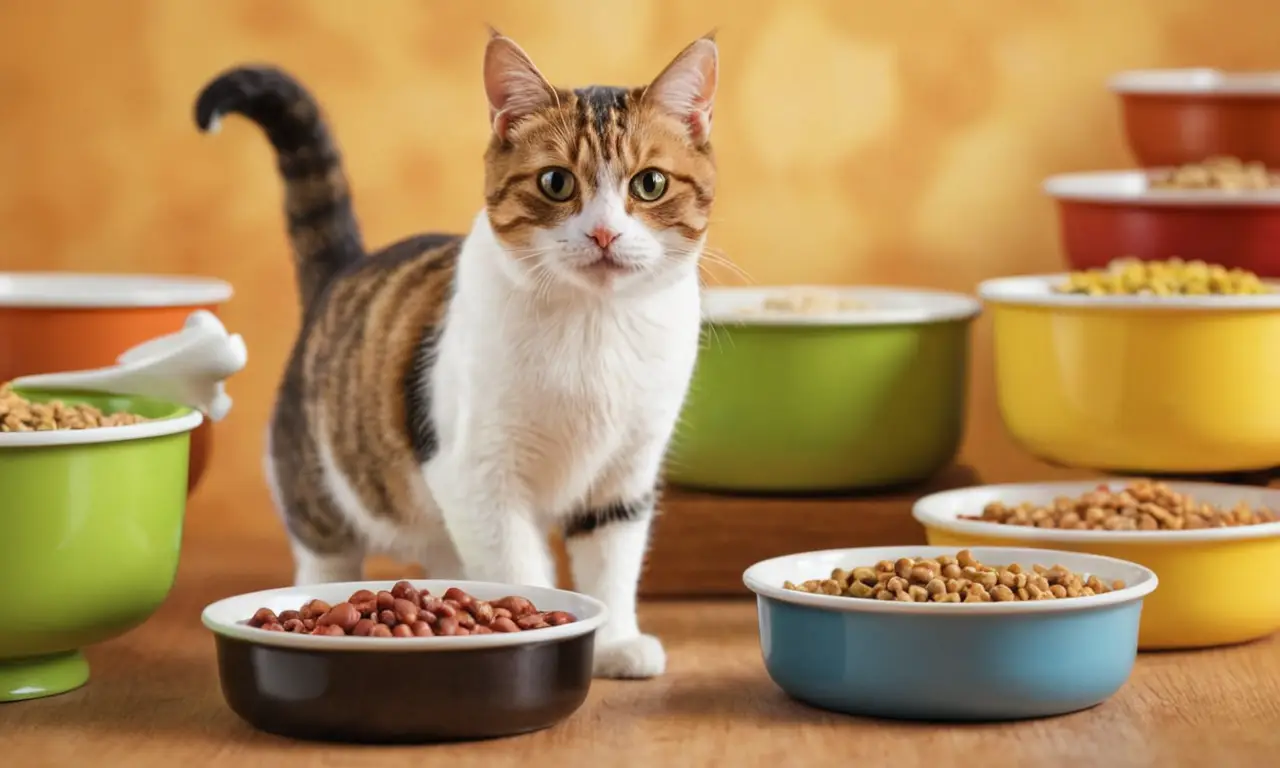
Cat Feeding: How Many Times a Day Should Your Feline Eat?
Understanding the optimal feeding schedule for your feline companion is crucial for their health, well-being, and overall happiness. While the question of how many times does a cat eat? might seem straightforward, the answer is nuanced and depends on various factors, including age, activity level, health status, and the type of food offered. This article will delve into the intricacies of feline nutrition and feeding patterns, providing comprehensive guidance to ensure your cat receives the best possible care.
The Natural Instincts of a Cat's Diet
Cats are naturally obligate carnivores, meaning their diet consists primarily of meat. In the wild, their ancestors would hunt small prey multiple times a day, consuming small meals throughout their waking hours. This hunting behavior is deeply ingrained in their physiology and influences their natural feeding patterns. They are not designed to eat one or two large meals like dogs or humans. Instead, their digestive system is optimized for frequent, smaller intakes of nutrient-rich food. This instinctual behavior is a key consideration when determining how often to feed your domestic cat.
Age-Specific Feeding Recommendations
The age of your cat is one of the most significant determinants of their feeding frequency. Kittens, due to their rapid growth and high energy demands, require more frequent meals than adult cats. Senior cats, on the other hand, may have different nutritional needs and metabolic rates that influence their feeding schedule.
Kittens (0-12 Months)
- 0-4 weeks: Kittens in this age range are typically still nursing from their mother. If orphaned or separated, they will require specialized kitten milk replacer administered via a bottle or syringe every 2-3 hours.
- 4-8 weeks: As kittens begin to wean, they can be introduced to wet kitten food, either softened with water or milk replacer. Initially, they may still nurse, but meals of solid food should be offered 4-6 times per day. The focus at this stage is on introducing them to a varied and nutrient-dense diet to support their rapid development.
- 8-12 weeks: Weaning is usually complete by this stage. Kittens can transition to eating wet or dry kitten food 3-4 times per day. Their digestive systems are maturing, and they can handle slightly larger portions. It’s essential to use high-quality kitten food specifically formulated to meet their increased protein, fat, and calorie needs for growth.
- 6-12 months: As kittens approach adulthood, the frequency of meals can gradually decrease to 2-3 times per day. They are still growing, so calorie-dense kitten food remains important, but the portions might increase, and the meals can become more spaced out.
Adult Cats (1-7 Years)
For healthy adult cats, the question of how many times does a cat eat? typically leads to the most common recommendation: two meals per day. This schedule aligns well with the natural tendency for cats to eat smaller meals more frequently than humans.
Dog Ownership Costs: The Real Price of Owning a Canine Companion- Two Meals Per Day: This is the most common and generally recommended feeding schedule for adult cats. Offering food in the morning and evening mimics their natural hunting and eating cycles. It helps to keep their metabolism active, prevents excessive hunger pangs, and can contribute to better digestion and nutrient absorption.
- Free-Feeding (with caution): Some owners opt for free-feeding, where dry food is left out all day. While this can seem convenient, it’s not ideal for all cats. It can lead to overeating and obesity, especially in less active cats. It also makes it harder to monitor food intake and detect changes that might indicate health problems. If free-feeding is chosen, it's crucial to use a measured amount of food and monitor the cat's weight closely.
- One Meal Per Day: While some argue it's possible, feeding an adult cat only once a day is generally not recommended. It can lead to excessive hunger, potential digestive upset (like vomiting bile), and may not adequately meet their nutritional needs throughout the day.
Senior Cats (7+ Years)
Senior cats often experience changes in their metabolism, digestion, and activity levels. Their feeding schedule might need adjustments to accommodate these changes.
- Easily Digestible Food: Senior cats may benefit from easily digestible food, often wet food, which also helps with hydration.
- Frequent Smaller Meals: Some senior cats might do better with more frequent, smaller meals to aid digestion and prevent them from becoming too full. This could mean returning to a 3-meal-a-day schedule or offering smaller portions more often.
- Monitoring Health Conditions: Senior cats are more prone to health issues like kidney disease, diabetes, or arthritis. These conditions can significantly impact appetite and dietary needs. It’s vital to consult with a veterinarian to tailor a feeding plan that addresses any specific health concerns.
The Impact of Food Type on Feeding Frequency
The type of food you feed your cat plays a significant role in how many times a day they should eat.
Wet Food
Wet food has a high moisture content, which is beneficial for a cat's hydration, especially for those who don't drink much water. Due to its composition, wet food is generally more digestible and can be very satisfying.
- Ideal for Multiple Meals: Wet food is perfectly suited for a 2-meal-a-day schedule. Portion control is also easier with wet food, as you can typically measure out the appropriate amount for each meal.
- Leaving Out Wet Food: It is generally not recommended to leave wet food out for extended periods. It can spoil quickly, attract pests, and lose its palatability.
Dry Food (Kibble)
Dry food is convenient, often more economical, and can help with dental hygiene (though this benefit is often debated). However, it has a much lower moisture content.
Boxer Dog Costs: Your Ultimate Financial Guide- Suitable for Scheduled Meals: Dry food can be offered in two scheduled meals per day.
- Free-Feeding Considerations: As mentioned earlier, free-feeding dry food is an option, but it requires careful management to prevent obesity. If free-feeding, ensure the cat has access to plenty of fresh water at all times.
Activity Level and Metabolism
A cat's activity level directly influences their calorie needs. A highly active cat, whether it enjoys chasing toys or exploring the outdoors, will burn more calories than a sedentary cat.
- Active Cats: May require slightly larger portions or potentially an additional small meal if they are burning significant energy.
- Sedentary Cats: Need carefully portioned meals to prevent weight gain. Two well-measured meals are usually sufficient. Overfeeding sedentary cats is a common contributor to feline obesity.
Health Conditions and Dietary Needs
Underlying health conditions are a critical factor when determining feeding frequency and type. Always consult your veterinarian for specific dietary recommendations if your cat has any health issues.
- Diabetes: Diabetic cats often require specific feeding schedules to manage their blood sugar levels. This might involve precise meal timing and particular food types.
- Kidney Disease: Cats with kidney disease often have reduced appetites and may benefit from frequent, small, highly palatable meals. Their diet might also need to be modified to reduce phosphorus and protein.
- Gastrointestinal Issues: Cats with sensitive stomachs or other GI problems might do better with smaller, more frequent meals to avoid overwhelming their digestive system.
- Obesity: Overweight cats need a carefully controlled diet with reduced calories. Their meals should be portioned precisely, and free-feeding should be avoided.
- Hyperthyroidism: This condition can increase a cat's metabolism, leading to increased appetite. While they may seem to eat more, it's essential to ensure they are eating appropriate, healthy food and not becoming underweight despite eating frequently.
Signs Your Cat's Feeding Schedule May Need Adjustment
Observing your cat's behavior and physical condition is key to understanding if their current feeding regimen is working.
- Weight Changes: Unexplained weight loss or gain is a significant indicator that the diet or feeding schedule needs adjustment.
- Appetite Changes: A sudden decrease or increase in appetite can signal underlying health issues or problems with their current food or feeding times.
- Vomiting or Diarrhea: Persistent digestive upset can be a sign that meals are too large, too infrequent, or that the food itself is not agreeing with them.
- Lethargy or Increased Activity: Changes in energy levels can be linked to nutritional intake.
- Begging for Food Excessively: While some cats are naturally vocal about food, constant begging might indicate they are not getting enough or are not satisfied with their meals.
- Picky Eating: If your cat is suddenly refusing food or becoming a picky eater, it could be a sign that their current feeding schedule or food type needs reevaluation.
Creating a Consistent Feeding Routine
Consistency is key when it comes to feeding your cat. A predictable routine helps them feel secure and can aid in digestion.
Daily Dog Exercise Guide: How Much Activity Does Your Pup Need?- Establish Set Times: Designate specific times for meals, for example, 7 AM and 6 PM.
- Measure Portions: Use a measuring cup to ensure you are providing the correct amount of food based on the guidelines on the food packaging and your veterinarian's recommendations.
- Remove Leftovers: After about 15-20 minutes, remove any uneaten food, especially wet food, to prevent spoilage.
- Provide Fresh Water: Always ensure clean, fresh water is available. Some cats prefer water fountains.
- Avoid Feeding Human Food: Many human foods are toxic to cats or unhealthy for them. Stick to a high-quality cat food.
The Role of the Veterinarian
Your veterinarian is your most valuable resource when it comes to your cat's nutrition and feeding plan. They can assess your cat's individual needs, recommend specific food types and brands, and help you create a feeding schedule that promotes optimal health. Don't hesitate to discuss any concerns you have about your cat's diet or eating habits with your vet. They can rule out any underlying medical conditions and provide tailored advice.
In summary: Finding the Right Balance
So, how many times does a cat eat? For most adult cats, the answer is typically twice a day. However, this is a general guideline. Kittens require more frequent meals, and senior cats or those with health conditions may need different schedules. The type of food, activity level, and individual metabolism all play a role. By understanding your cat's natural instincts, observing their behavior, and working closely with your veterinarian, you can establish a feeding routine that keeps your feline friend healthy, happy, and thriving for years to come. The goal is to provide consistent, appropriate nutrition that supports their well-being at every stage of life.
Cat Urinary Crystals: Types, Symptoms & Treatment Guide

Cat Weight: How Do I Know If My Cat Is Fat?

Encephalitis in Dogs: Symptoms, Causes & Treatment

Dog Cavities: Causes, Symptoms, and Treatment Options
Natural Flea Relief: Home Remedies for Fleas in Cats

Newborn Puppy Feeding Guide: From Birth to Weaning
Related posts