

Dog Feeding Frequency: How Many Times Should A Dog Eat?
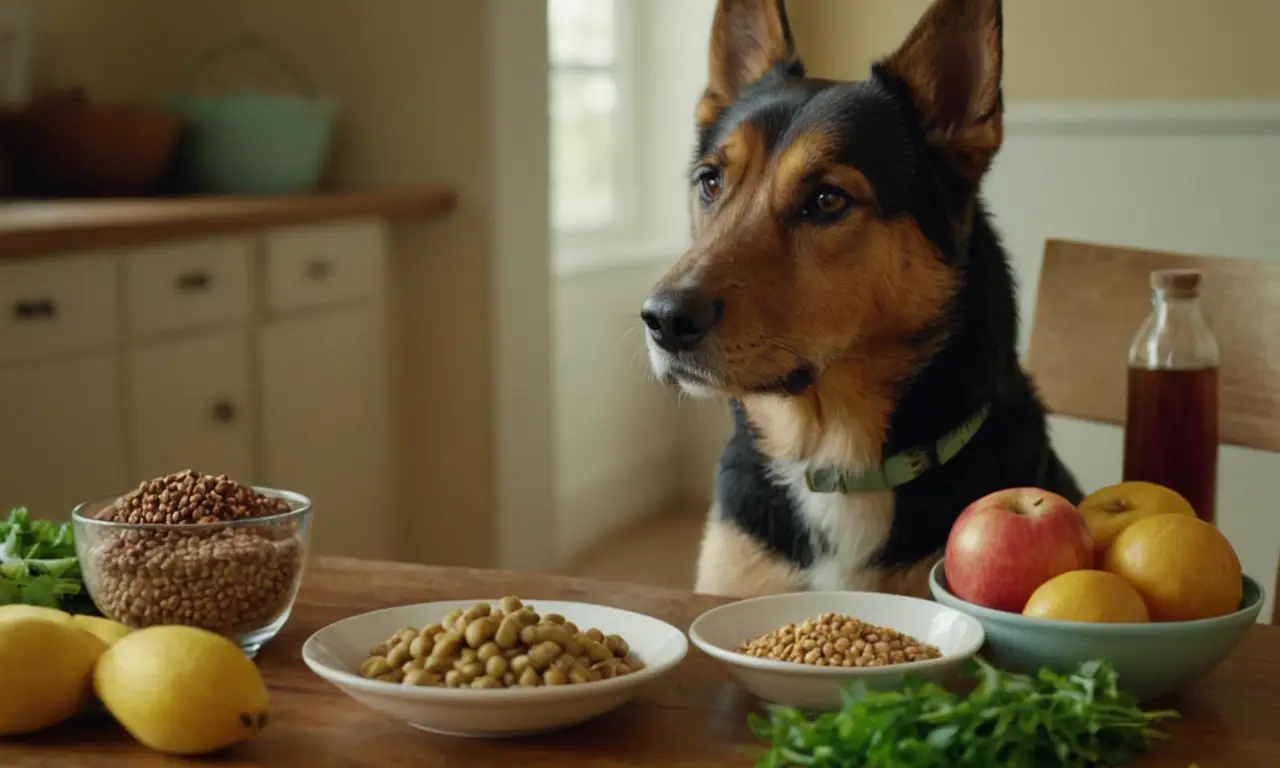
Dog Feeding Frequency: How Many Times Should A Dog Eat?
Understanding the optimal feeding schedule for your canine companion is crucial for their overall health and well-being. The question of How many times should a dog eat a day? is a common one among pet owners, and the answer isn't a simple one-size-fits-all. Several factors, including age, breed, activity level, and specific health conditions, play a significant role in determining the ideal feeding frequency. This comprehensive guide will delve into these various aspects to help you establish the best feeding routine for your dog, ensuring they receive the necessary nutrients and maintain a healthy lifestyle.
𝙲𝚘𝚗𝚝𝚎𝚗𝚝
The General Recommendation: Two Meals a Day
For most adult dogs, the general consensus among veterinarians and canine nutritionists is to feed them twice a day. This typically involves one meal in the morning and another in the evening. This feeding schedule offers several advantages:
- Balanced Nutrient Absorption: Spreading meals throughout the day allows for more consistent nutrient absorption, preventing large spikes and dips in blood sugar.
- Digestive Comfort: Two smaller meals are often easier on a dog's digestive system compared to one large meal, reducing the risk of bloating and other gastrointestinal issues.
- Weight Management: A consistent twice-daily feeding routine can aid in weight management by helping to regulate metabolism and prevent overeating.
- Established Routine: Dogs thrive on routine, and a twice-daily feeding schedule provides a predictable structure that can contribute to a dog's sense of security and well-being.
This recommendation, however, is a guideline, and individual needs may vary. It's always best to consult with your veterinarian to determine the most suitable feeding frequency for your specific dog.
Factors Influencing Feeding Frequency
While two meals a day is a common starting point, several factors can influence the ideal feeding frequency for your dog:
1. Age: Puppies vs. Adult Dogs vs. Senior Dogs
The age of your dog is perhaps the most significant factor in determining how often they should eat.
Saint Bernard Diet: How Much Do They Eat Per Day?- Puppies: Young puppies have high energy demands and rapidly growing bodies, requiring more frequent meals to support their development.
- Weaning to 3-4 Months: Puppies in this stage typically need to be fed three to four times a day. Their small stomachs can't hold enough food for fewer meals, and they need consistent fuel for growth.
- 4-6 Months: As puppies mature, you can gradually reduce the feeding frequency to three meals a day.
- 6 Months to 1 Year: Most puppies can transition to two meals a day as they approach adulthood. The exact timing will depend on their breed and growth rate.
- Adult Dogs: As mentioned, most adult dogs do well with two meals a day.
- Senior Dogs: Older dogs may experience changes in their metabolism and digestion. Some senior dogs may benefit from smaller, more frequent meals to ease digestion, while others might be content with their usual two meals. Monitoring their energy levels, weight, and digestive health will help you decide.
2. Breed and Size
Breed and size can also play a role.
- Small Breeds: Small breeds often have faster metabolisms and smaller stomachs. They may do better with two or even three smaller meals per day to prevent hypoglycemia (low blood sugar), especially if they are very active.
- Large and Giant Breeds: Large and giant breed puppies are particularly prone to bloat (Gastric Dilatation-Volvulus, GDV), a life-threatening condition. Feeding them smaller, more frequent meals can help reduce the risk. Adult large breeds can generally stick to two meals, but it's crucial to avoid overfeeding and ensure they don't exercise vigorously immediately before or after eating.
3. Activity Level and Energy Expenditure
A dog's daily activity level is a direct indicator of their energy needs.
- Highly Active Dogs: Dogs that engage in strenuous exercise, such as working dogs, agility competitors, or those that go on long hikes daily, will require more calories and potentially more frequent feeding. For very demanding routines, some owners might opt for three meals a day or strategically timed snacks.
- Moderately Active Dogs: Most pet dogs fall into this category and typically do well with two meals.
- Sedentary Dogs: Less active or older dogs may need fewer calories, and their feeding schedule might remain at two meals but with a reduced portion size to prevent weight gain.
4. Health Conditions and Special Dietary Needs
Certain health conditions necessitate adjustments to feeding frequency.
- Diabetes: Diabetic dogs often require a consistent feeding schedule to manage blood sugar levels. Two meals a day, given at the same times each day, is usually recommended.
- Gastrointestinal Issues: Dogs with sensitive stomachs or chronic digestive problems might benefit from smaller, more frequent meals to reduce the burden on their digestive system.
- Kidney Disease: Dogs with kidney disease may need specialized diets, and their feeding schedule might be adjusted by their veterinarian.
- Post-Surgery or Illness: Dogs recovering from surgery or illness may have reduced appetites or specific dietary needs. Their veterinarian will provide tailored feeding instructions.
- Pregnancy and Lactation: Pregnant and lactating dogs have significantly increased nutritional demands and will likely need more frequent meals, along with a high-calorie, nutrient-dense diet.
5. Individual Dog Preferences and Metabolism
Every dog is an individual. Some dogs might simply thrive on a particular feeding schedule, showing no signs of discomfort or digestive issues. Pay close attention to your dog's cues.
- Signs of Hunger: If your dog is constantly begging for food between meals or seems overly anxious around feeding times, they might be genuinely hungry.
- Signs of Overfeeding: Conversely, if your dog is overweight or seems lethargic after meals, you might be overfeeding or their feeding schedule isn't optimized.
- Digestive Upset: Vomiting, diarrhea, or excessive gas can indicate that the current feeding schedule or portion size isn't working.
Transitioning to a New Feeding Schedule
If you need to adjust your dog's feeding frequency, it's essential to do so gradually to avoid digestive upset.
Pug Feeding Guide: How Much Food For A Pug To Eat- Consult Your Veterinarian: Always discuss any planned changes with your vet.
- Gradual Reduction/Increase: If reducing meals, take it slow. For example, if going from three to two meals, reduce the portion of one meal slightly over several days. If increasing, add a small amount to the new meal.
- Observe Your Dog: Monitor your dog for any changes in appetite, energy levels, stool consistency, and overall well-being.
- Maintain Consistency: Once you establish a new schedule, stick to it as much as possible.
The Question: How Many Times Should a Dog Eat a Day?
To reiterate, for most adult dogs, the answer to How many times should a dog eat a day? is generally twice a day. However, this is a broad guideline.
- Puppies: 3-4 times a day, tapering down to 2 times a day around 6-12 months.
- Adult Dogs: Typically 2 times a day.
- Senior Dogs: May benefit from 2 meals, or in some cases, smaller, more frequent meals.
- Special Cases: Dogs with certain health conditions, extreme activity levels, or specific breed predispositions may require adjusted feeding frequencies as determined by a veterinarian.
The Importance of Portion Control
Regardless of how many times a day you feed your dog, ensuring they receive the correct portion size is paramount. Overfeeding can lead to obesity, a common and serious health problem in dogs, contributing to issues like joint problems, diabetes, heart disease, and a reduced lifespan.
- Follow Feeding Guidelines: Start with the feeding guidelines on your dog's food packaging, but remember these are general recommendations.
- Body Condition Score: Learn to assess your dog's body condition score (BCS). You should be able to feel their ribs without seeing them prominently, and they should have a discernible waist when viewed from above.
- Veterinary Consultation: Your veterinarian can help you determine the ideal daily calorie intake for your dog based on their age, weight, activity level, and metabolism. They can also advise on portion sizes for each meal.
Timing of Meals
The timing of meals can also be important, especially for dogs prone to certain health issues.
- Avoid Large Meals Before and After Exercise: This is particularly important for large breeds to reduce the risk of bloat. Wait at least an hour after a meal before strenuous exercise, and wait an hour after exercise before feeding.
- Consistent Schedule: Feeding your dog at roughly the same times each day helps regulate their digestive system and can contribute to a more predictable potty schedule.
What to Feed Your Dog
The type of food you feed your dog is as important as the frequency. Ensure you are feeding a high-quality, age-appropriate, and breed-appropriate dog food that meets AAFCO (Association of American Feed Control Officials) standards.
- Puppy Food: Higher in calories and nutrients for growth.
- Adult Food: Formulated for maintenance.
- Senior Food: Often lower in calories and may contain supplements for joint health.
- Breed-Specific Formulas: Some brands offer formulas tailored to the specific needs of different breeds.
In summary
So, How many times should a dog eat a day? For most adult dogs, two meals a day is the standard and recommended practice. However, the best feeding schedule for your dog is a personalized decision that considers their age, breed, activity level, and any existing health conditions. Always prioritize consulting with your veterinarian. They are your best resource for creating a tailored feeding plan that ensures your canine companion receives optimal nutrition, maintains a healthy weight, and lives a long, happy, and active life. By paying close attention to your dog's individual needs and observing their behavior, you can establish a feeding routine that supports their overall well-being.
Jack Russell Feeding Guide: How Much to Eat
Festive Feasts: Top Christmas Recipes for Dogs

Dog Kidney Failure Diet: Homemade Solutions & Care Tips

Choosing the Best Dog Food: A Comprehensive Guide

Cat Hepatitis Diet: Essential Foods for Your Feline Friend

Understanding the Composition of Cat Food for Health

Obese Dog Diet: Vet-Approved Weight Loss Strategies
Related posts