
Belgian Shepherd: Discover the 4 Distinct Types
Belgian Shepherd: Discover the 4 Distinct Types
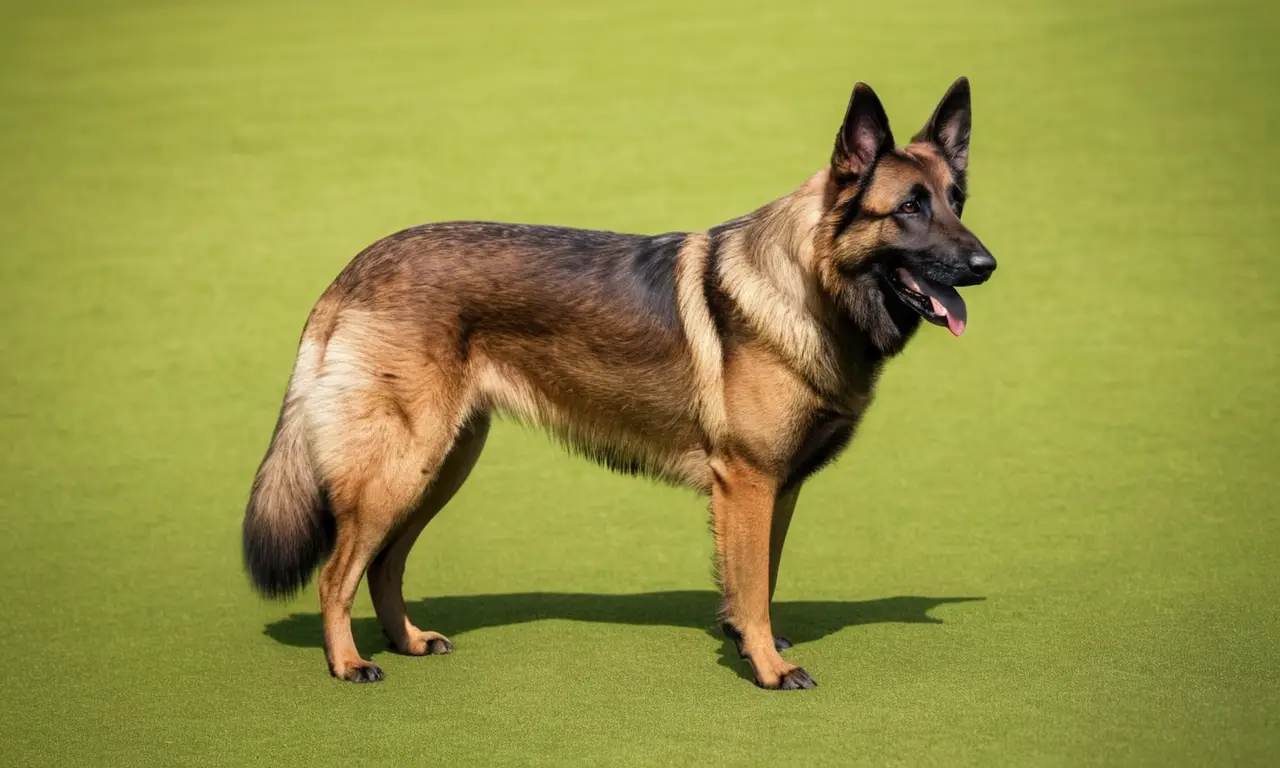
The Belgian Shepherd, a breed renowned for its intelligence, versatility, and striking appearance, is not a monolithic entity. Instead, it encompasses four distinct varieties, each with its own unique coat, temperament, and historical purpose. Understanding these differences is crucial for anyone considering bringing one of these magnificent dogs into their lives, or simply for those who admire their exceptional qualities. This article delves deep into each of the four types, exploring their origins, physical characteristics, temperaments, and ideal roles, answering the ever-important question: How many types of Belgian Shepherd are there?
The answer, in short, is four. These four types are recognized by most kennel clubs as distinct breeds, though they share a common ancestry and many fundamental traits. They are the Groenendael, Laekenois, Malinois, and Tervuren. While they may look quite different at first glance, they are all descendants of herding dogs from the Belgian region, bred for their intelligence, agility, and strong work ethic. Their distinct appearances are largely a result of selective breeding for specific coat types and colors that were advantageous in different regions and for different tasks.
𝙲𝚘𝚗𝚝𝚎𝚗𝚝
The Groenendael: The Elegant Black Coat
The Groenendael is perhaps the most visually recognizable of the Belgian Shepherd types, often mistaken for a black Collie or a German Shepherd with a different coat. This is due to its long, flowing, solid black coat.
Origins and History
The Groenendael is named after its developer, Nicolas Rose, who owned a tavern called "Le Berceau de Groenendael" near Brussels. In the late 19th century, Rose began breeding a specific black long-haired dog from a larger population of Belgian farm dogs. He is credited with establishing the distinct characteristics of the Groenendael. This type quickly gained popularity for its beauty and intelligence, becoming a favored companion and working dog.
Physical Characteristics
- Coat: The most defining feature of the Groenendael is its long, straight, dense double coat. The outer coat is medium in length, lying flat against the body, while the undercoat is soft and woolly. It is typically solid black, though a small amount of white on the chest or toes is permissible.
- Build: They are medium to large dogs, with a balanced and muscular build. They possess an elegant and noble appearance, with an alert and intelligent expression.
- Height and Weight: Males typically stand between 24-26 inches (60-66 cm) at the shoulder, while females are slightly smaller at 22-24 inches (56-60 cm). Weight usually ranges from 55-65 pounds (25-30 kg).
Temperament and Personality
Groenendaels are known for their loyalty, intelligence, and strong bond with their families. They are sensitive dogs that thrive on human companionship and can become anxious or reserved if left alone for extended periods. They are highly trainable and excel in various dog sports, obedience, and agility. Their protective nature makes them excellent watchdogs, but early socialization is crucial to ensure they are well-adjusted and confident around strangers.
Ideal Role and Suitability
The Groenendael is best suited for active families or individuals who can provide them with plenty of mental and physical stimulation. They are not ideal apartment dogs unless their exercise needs are meticulously met. Their intelligence and eagerness to please make them wonderful partners for experienced dog owners who enjoy training and engaging in activities with their pets.
The Laekenois: The Rough-Coated Guardian
The Laekenois is the rarest and perhaps the most distinctive of the Belgian Shepherd types, characterized by its rough, wiry coat. This unique texture gives it a somewhat shaggy, yet still refined, appearance.
Shark Diversity: Exploring the Vast Number of Shark SpeciesOrigins and History
The Laekenois hails from the region of Laeken, near Brussels, where it was historically used as a sheepdog and guard dog for the royal castle. Its rough coat provided protection from the elements and from predators. For a long time, it was considered simply a variety of the Belgian Shepherd rather than a distinct breed. It is the least known of the four types internationally.
Physical Characteristics
- Coat: The Laekenois possesses a rough, harsh, and wiry coat, approximately 2-3 inches (5-7 cm) long. It is often described as "disheveled" or "uncombed," but this is its natural texture. The color is typically fawn to mahogany, with some black overlay, particularly on the muzzle and tail. The coat does not have a woolly undercoat.
- Build: They are strong, muscular dogs with a square build. Their appearance is rugged and functional, reflecting their working heritage.
- Height and Weight: Males stand around 24-26 inches (60-66 cm), and females 22-24 inches (56-60 cm). Weight is typically between 50-65 pounds (23-30 kg).
Temperament and Personality
Laekenois are known for their intelligence, courage, and a somewhat independent spirit. They are fiercely loyal and protective of their families, making them excellent guard dogs. They can be more reserved with strangers than other Belgian Shepherd types, requiring careful socialization from a young age. Despite their guarding instincts, they are also playful and enjoy interacting with their loved ones.
Ideal Role and Suitability
This breed is best suited for experienced dog owners who understand and appreciate their independent nature and guarding instincts. They require consistent training and clear boundaries. Due to their protective tendencies, they are a good fit for homes where they can serve as guardians, provided they receive adequate socialization. They need an active lifestyle and enjoy tasks that challenge their minds.
The Malinois: The Intense Working Dog
The Malinois, often simply called the "Mal," is the most popular of the Belgian Shepherd types, especially in the working dog world. Its short, fawn-colored coat and incredible drive make it a highly sought-after breed for police, military, and protection work.
Origins and History
The Malinois is named after the Belgian city of Mechelen (Malines in French). Historically, it was bred as a versatile farm dog, used for herding, guarding, and cart pulling. Its short, weather-resistant coat made it particularly well-suited to the harsher conditions of the Flemish region. The Malinois has gained international fame for its exceptional work ethic, trainability, and athleticism.
Physical Characteristics
- Coat: The Malinois has a short, straight, and dense double coat. The color is typically a rich fawn to mahogany, with black shading on the muzzle, ears, and along the back. A small white marking on the chest is acceptable.
- Build: They are powerful, athletic dogs with a muscular and agile build. They are well-proportioned and possess a noble, alert expression.
- Height and Weight: Males are usually 24-26 inches (60-66 cm) tall, and females 22-24 inches (56-60 cm). Weight ranges from 55-65 pounds (25-30 kg).
Temperament and Personality
Malinois are renowned for their intense drive, high intelligence, and unwavering loyalty. They are fearless, confident, and possess a strong protective instinct. Their energy levels are exceptionally high, and they require significant mental and physical stimulation to prevent boredom and destructive behaviors. They are highly trainable and eager to please their handlers, excelling in demanding tasks.
Ideal Role and Suitability
The Malinois is not a breed for the faint of heart or for novice dog owners. They thrive in roles that utilize their intelligence and athleticism, such as police K9 units, military working dogs, protection sports, and advanced obedience. They need an experienced owner who can provide consistent training, clear leadership, and ample opportunities for them to work and expend their energy. They can be wonderful family pets for very active households that understand their needs, but early and extensive socialization is paramount.
Spider Diversity: How Many Types of Spiders Do You Know?The Tervuren: The Versatile Colored Coat
The Tervuren, named after the village of Tervuren near Brussels, is characterized by its long, fawn or grey coat with black overlay. It is a striking and elegant dog that shares many similarities with the Groenendael but with a different color palette and coat texture.
Origins and History
The Tervuren was developed around the same time as the Groenendael, with breeders aiming to create a Belgian Shepherd with a longer coat in colors other than black. It was selectively bred for its intelligence, agility, and herding abilities. Like the other Belgian Shepherd types, it was initially seen as a variant of the same breed before being recognized as distinct.
Physical Characteristics
- Coat: The Tervuren has a long, straight, double coat. The primary color is fawn or grey, with black shading that creates a distinctive "mask" on the face and black tipping on the hairs, particularly on the back and tail. The coat is longer around the neck, forming a mane, and on the tail.
- Build: They are medium to large dogs, well-muscled and agile. They possess a dignified and alert demeanor.
- Height and Weight: Similar to the Groenendael and Malinois, males are 24-26 inches (60-66 cm) and females 22-24 inches (56-60 cm). Weight is typically between 55-65 pounds (25-30 kg).
Temperament and Personality
Tervurens are intelligent, loyal, and protective dogs. They are highly energetic and require significant exercise and mental stimulation. They form strong bonds with their families and can be reserved or suspicious of strangers, necessitating early socialization. They are eager to please and excel in various dog sports and activities, including obedience, agility, and herding trials.
Ideal Role and Suitability
The Tervuren is an excellent choice for active individuals or families who can provide them with plenty of exercise, training, and companionship. They are versatile and can excel as family pets, working dogs, or performance dogs. Their intelligence and drive make them well-suited for those who enjoy engaging in training and activities with their canine companions.
In summary: Answering How Many Types of Belgian Shepherd Are There?
In summary, to answer the question of How many types of Belgian Shepherd are there?, the definitive answer is four. These distinct types are:
- Groenendael: Long, black coat.
- Laekenois: Rough, wiry, fawn/mahogany coat.
- Malinois: Short, fawn coat with black shading.
- Tervuren: Long, fawn/grey coat with black shading.
While they share a common ancestry and many core traits, their differences in coat, temperament, and historical use have led to their recognition as separate breeds. Each type offers a unique combination of intelligence, loyalty, and working ability, making them exceptional companions and partners for those who understand and can meet their specific needs. Whether you're drawn to the elegant black of the Groenendael, the rugged charm of the Laekenois, the intense drive of the Malinois, or the striking beauty of the Tervuren, the Belgian Shepherd family offers a remarkable canine experience.
Understanding these distinctions is vital for potential owners to choose the type that best aligns with their lifestyle, experience, and expectations. Proper training, socialization, and exercise are paramount for all Belgian Shepherd types to ensure they develop into well-adjusted and confident dogs.
Wasps vs. Bees: How to Differentiate Them Safely
Fila Brasileiro: The Majestic Mastiff of Brazil Explored

Basenji: The Enigmatic Barkless Dog – Congo Terrier Facts
Dog Language & Calm Signals: The Complete Guide
The Enduring Bond: Dogs & Humans, 14,000 Years
Dalmatian Dog: History, Traits & Fun Facts

Can You Have a Monkey as a Pet? The Truth About Primate Companions
Related posts