

Spider Diversity: How Many Types of Spiders Do You Know?
Spider Diversity: How Many Types of Spiders Do You Know?
Spiders are fascinating arachnids that inhabit nearly every corner of the globe, playing crucial roles in ecosystems. From the tiniest to the most imposing, their diversity is staggering, making it a compelling question to ask: How many types of spiders do you know? This article will delve into the vast world of spiders, exploring their classification, common groups, unique adaptations, and the sheer scale of their biodiversity.
The Astonishing Number of Spider Species
To begin to answer how many types of spiders do you know?, it's essential to understand the sheer scale of spider diversity. Scientists have described over 50,000 species of spiders worldwide, and it's estimated that many more remain undiscovered. This number is constantly growing as new species are identified through ongoing research and exploration. This vast number means that even a seasoned arachnologist might struggle to name a significant fraction of them. For the average person, the recognition of spider types likely extends to only a handful of common or infamous examples.
Spider Classification: A Glimpse into Taxonomy
Understanding the different types of spiders begins with their classification. Spiders belong to the order Araneae within the class Arachnida, which also includes scorpions, mites, and ticks. Araneae is further divided into two suborders:
- Mesothelae: This is the most primitive group of spiders, characterized by a segmented abdomen and a ventral mouth. They are relatively rare and found primarily in Asia.
- Opisthothelae: This suborder encompasses the vast majority of spiders and is further divided into two infraorders:
- Mygalomorphae: This group includes spiders with two pairs of chelicerae that move parallel to each other (like fangs). They are typically large, robust spiders with a more primitive appearance. Examples include tarantulas, trapdoor spiders, and funnel-web spiders.
- Araneomorphae: This is the largest and most diverse infraorder, containing what are often considered "true spiders." Their chelicerae move in opposition, like pincers. This infraorder includes an enormous range of families and species with diverse hunting strategies and habitats.
Common Groups of Spiders and Their Characteristics
When people think about how many types of spiders do you know?, they often refer to familiar groups based on their appearance, behavior, or habitat. Here are some of the most commonly encountered and recognized types:
1. Orb-Weavers (Family Araneidae)
These are perhaps the most iconic spiders, known for constructing large, intricate, circular webs.
* Appearance: Often brightly colored and patterned.
* Habitat: Found in gardens, forests, and near human dwellings where insects are abundant.
* Behavior: They patiently wait in their webs for prey, which can range from small flies to larger insects. Famous examples include the garden spider and the golden silk orb-weaver.
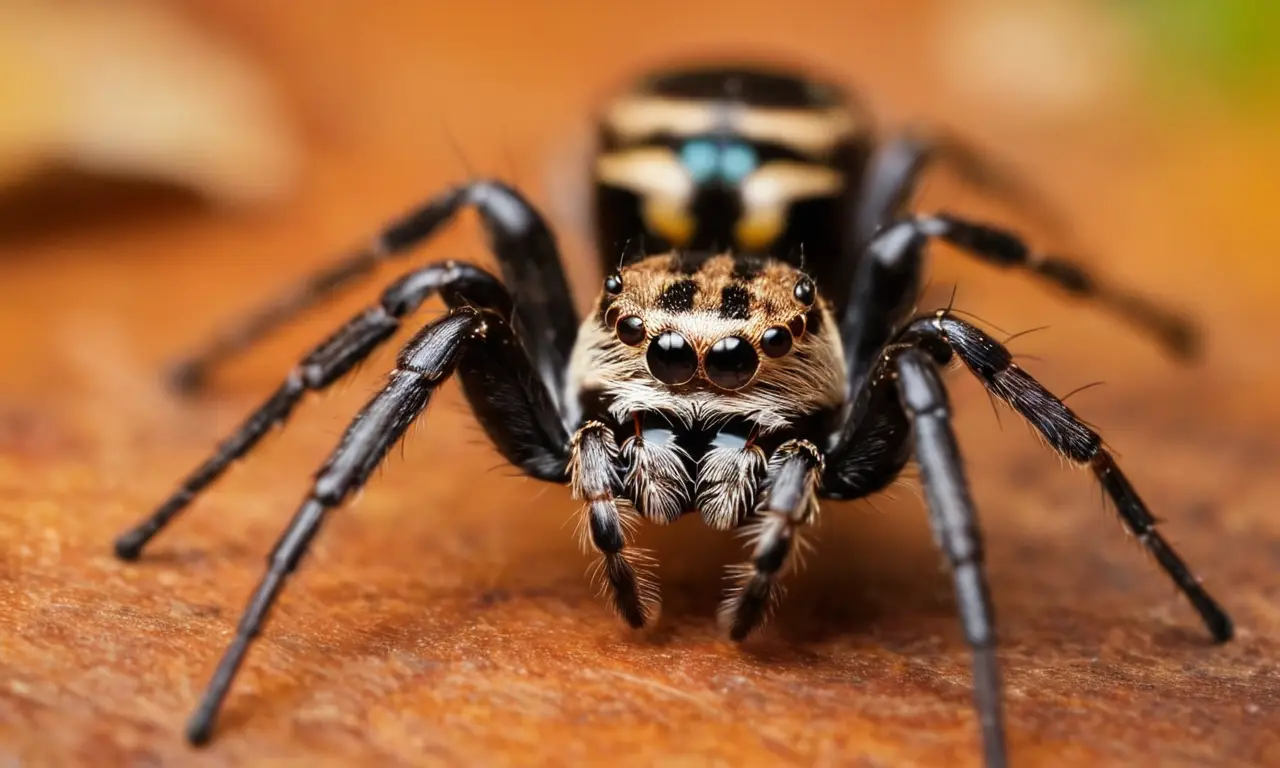
2. Jumping Spiders (Family Salticidae)
These are among the most visually appealing and intelligent spiders, known for their excellent eyesight and active hunting style.
* Appearance: Small to medium-sized, often with large, forward-facing eyes. Many have iridescent colors.
* Habitat: Found in a wide variety of environments, from deserts to rainforests, often on plants, rocks, and walls.
* Behavior: They do not build webs to catch prey. Instead, they stalk and pounce on their unsuspecting victims, much like a cat. Their ability to jump impressive distances for their size is a key characteristic.
3. Wolf Spiders (Family Lycosidae)
These are ground-dwelling hunters that are known for their speed and predatory prowess.
* Appearance: Typically brown or gray, with robust bodies and excellent vision provided by eight eyes arranged in three rows.
* Habitat: Found in grasslands, forests, and near water bodies, often burrowing into the ground.
* Behavior: They actively hunt their prey, running down insects on the ground. Female wolf spiders are notable for carrying their egg sacs attached to their spinnerets and then carrying their spiderlings on their backs.
4. Tarantulas (Family Theraphosidae)
Often the subject of fear and fascination, tarantulas are large, hairy spiders that are well-known.
* Appearance: Large, stout bodies covered in dense hairs (setae). Colors vary widely.
* Habitat: Primarily found in tropical and subtropical regions, living in burrows, tree hollows, or under rocks.
* Behavior: Most tarantulas are ambush predators, waiting for prey to come within striking distance of their burrows. While some species can deliver a venomous bite, most are not considered medically significant to humans. They can also flick urticating hairs from their abdomen as a defense mechanism.
5. Funnel-Web Spiders (Family Agelenidae and others)
This group includes spiders that build funnel-shaped webs.
* Appearance: Varies, but many are fast-moving.
* Habitat: Found in grass, bushes, and sometimes in homes.
* Behavior: They create a sheet-like web with a funnel at one end, where the spider hides. When an insect lands on the sheet, the spider darts out to capture it. This group also includes the medically significant Australian funnel-web spiders, whose venom is potent.
6. Brown Recluse Spiders (Genus Loxosceles)
These spiders are known for their venom and their reclusive nature.
* Appearance: Brownish in color, with a characteristic violin-shaped marking on their cephalothorax. They have six eyes, unlike most spiders which have eight.
* Habitat: Found in the United States, often in dark, undisturbed places like attics, basements, closets, and under woodpiles.
* Behavior: They are nocturnal and shy, preferring to avoid contact. Their bite can cause necrotic lesions in some individuals.
7. Black Widow Spiders (Genus Latrodectus)
Another group notorious for its venom, black widows are easily recognizable.
* Appearance: Females are typically shiny black with a distinctive red hourglass marking on the underside of their abdomen. Males are much smaller and lighter in color.
* Habitat: Found in temperate regions worldwide, often in dark, sheltered locations such as woodpiles, sheds, and under eaves.
* Behavior: They build irregular, tangled webs. The bite of a female black widow can cause latrodectism, a condition characterized by muscle pain, cramps, and other symptoms.
Beyond the Familiar: Exploring Lesser-Known Types
When asking how many types of spiders do you know?, it's easy to get stuck on the venomous or the large ones. However, the world of spiders is filled with incredible adaptations and unique lifestyles that go far beyond these common examples:
Can You Have a Monkey as a Pet? The Truth About Primate Companions1. Trapdoor Spiders (Family Ctenizidae and others)
These spiders are masters of camouflage and ambush.
* Behavior: They dig burrows in the ground and construct a hinged door made of silk, soil, and vegetation. They lie in wait with the door ajar, and when an insect walks nearby, they quickly emerge to capture it.
2. Net-Casting Spiders (Family Deinopidae)
These spiders have a truly unique hunting method.
* Behavior: They weave a rectangular, stretchy "net" which they hold between their front legs. They then cast this net over unsuspecting insects that pass by.
3. Water Spiders (Genus Argyroneta)
These are the only truly aquatic spiders.
* Behavior: They build an underwater web structure that they fill with air bubbles. They live their entire lives underwater, diving for prey and even raising their young in their aquatic retreats.
4. Camel Spiders (Order Solifugae - Note: Not true spiders, but often grouped with them colloquially)
While not true spiders (they belong to a different order within Arachnida), camel spiders are often mentioned in discussions about arachnids and are sometimes mistaken for spiders.
* Appearance: Large, fast-moving arachnids with powerful jaws.
* Habitat: Primarily found in arid and desert regions.
* Behavior: They are aggressive predators that hunt insects and other small animals. They are known for their speed and their large, formidable chelicerae.
5. Goliath Birdeater (Theraphosa blondi)
This is the world's largest spider by mass.
* Appearance: Massive, hairy tarantula that can have a leg span of up to 30 cm (12 inches).
* Habitat: Found in the rainforests of South America.
* Behavior: Despite their name, they primarily feed on insects, toads, and small mammals, though they are capable of eating small birds if the opportunity arises.
The Importance of Spider Biodiversity
The incredible diversity of spiders is not just a matter of curiosity; it's vital for the health of our planet's ecosystems. Spiders are:
Dog Translator Tech: Can Canine Communicators Be Real?- Natural Pest Controllers: They consume vast numbers of insects, including many that are considered agricultural pests. Without spiders, insect populations could explode, leading to devastating crop damage and the spread of diseases.
- A Food Source: Spiders themselves are an important food source for many animals, including birds, lizards, and larger insects.
- Indicators of Environmental Health: The presence and diversity of spider species can be an indicator of the health of an ecosystem. A decline in spider populations can signal environmental problems.
In summary: A World of Uncountable Wonders
So, to return to our initial question, how many types of spiders do you know? The answer for most people is likely a small handful. However, the reality is that there are tens of thousands of described species, with countless more waiting to be discovered. Each species has evolved unique adaptations and plays a role in its environment. From the intricate webs of orb-weavers to the stealthy hunts of jumping spiders, the world of spiders is a testament to the power of evolution and the astonishing biodiversity that exists on Earth. Understanding and appreciating this diversity is crucial for recognizing their ecological importance and for fostering a sense of wonder for the natural world around us. The next time you encounter a spider, take a moment to consider the incredible variety it represents and the vast, intricate web of life it is a part of.
Dog Color Vision: How Do Dogs Recognize & Distinguish Colors?

Fila Brasileiro: The Majestic Mastiff of Brazil Explored

Basenji: The Enigmatic Barkless Dog – Congo Terrier Facts

Dog Language & Calm Signals: The Complete Guide

The Enduring Bond: Dogs & Humans, 14,000 Years

Dalmatian Dog: History, Traits & Fun Facts
Related posts