

Puppy Exercise Guide: How Much Activity Does Your Pup Need?
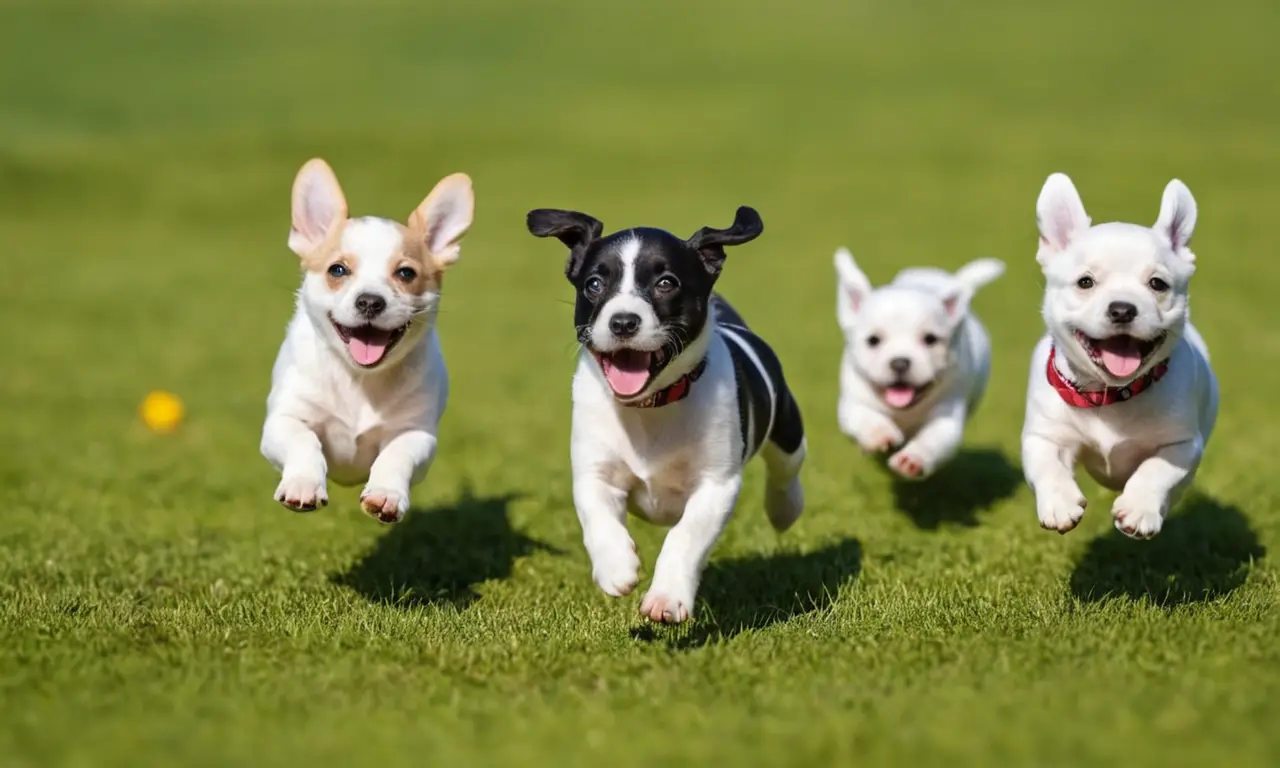
Puppy Exercise: Tailoring Activity for Your Growing Canine Companion
Understanding the right amount of exercise for your puppy is crucial for their physical health, mental well-being, and overall development. Over-exercising can lead to skeletal issues, while under-exercising can result in behavioral problems and weight gain. This comprehensive guide delves into the intricacies of puppy exercise, providing actionable advice to ensure your furry friend thrives.
𝙲𝚘𝚗𝚝𝚎𝚗𝚝
- The Importance of Puppy Exercise
- How Much Exercise Should a Puppy Get? The Golden Rule
- Understanding "Structured Exercise" vs. "Free Play"
- Factors Influencing Puppy Exercise Needs
- Signs Your Puppy is Getting Enough (or Too Much) Exercise
- Safe and Effective Puppy Exercise Activities
- What to Avoid
- The Role of Mental Stimulation
- Consulting Your Veterinarian
The Importance of Puppy Exercise
Puppies are bundles of energy and curiosity, and channeling that energy productively is paramount. Exercise isn't just about burning off pent-up steam; it plays a vital role in:
- Skeletal Development: Gentle, controlled exercise helps strengthen bones and joints, preventing long-term orthopedic problems.
- Muscle Development: Regular activity builds strong muscles, supporting a healthy and active adult dog.
- Mental Stimulation: Puppies need mental challenges just as much as physical ones. Exercise, especially when combined with training and play, prevents boredom and cognitive decline.
- Socialization: Walks and playtime in safe, controlled environments expose puppies to new sights, sounds, smells, and other friendly dogs and people, which is critical for developing a well-adjusted adult.
- Behavioral Health: A tired puppy is a well-behaved puppy. Adequate exercise reduces the likelihood of destructive behaviors like chewing, digging, and excessive barking, which often stem from boredom or pent-up energy.
- Weight Management: Regular physical activity helps maintain a healthy weight, reducing the risk of obesity-related health issues later in life.
How Much Exercise Should a Puppy Get? The Golden Rule
There's no one-size-fits-all answer to How much exercise should a puppy get? because it depends on several factors, including breed, age, size, energy level, and individual health. However, a widely accepted guideline for moderate-intensity exercise is the "five-minute rule." This suggests that a puppy should have approximately five minutes of structured exercise per month of age, up to twice a day.
- For a 2-month-old puppy: Aim for roughly 10 minutes of controlled activity, twice a day.
- For a 4-month-old puppy: This translates to about 20 minutes of exercise, twice daily.
- For a 6-month-old puppy: You can gradually increase this to around 30 minutes, twice a day.
It's crucial to remember that this is a guideline, not a rigid prescription. Some puppies may need more, while others may need less. The key is to observe your puppy's behavior and adjust accordingly.
Understanding "Structured Exercise" vs. "Free Play"
The five-minute rule primarily refers to structured exercise, which typically involves:
- Leash walks: These should be at a moderate pace, allowing the puppy to sniff and explore without being overly strenuous.
- Controlled fetch or tug-of-war: Short, engaging sessions that don't involve excessive jumping or rapid, repetitive movements.
- Training sessions: Integrating physical commands and short bursts of activity into training reinforces good behavior and provides exercise.
Free play in a safely enclosed area, such as a backyard or a puppy-proofed room, is also important. This allows puppies to run, jump, and explore at their own pace. While free play is beneficial, it's harder to quantify in terms of minutes and should be supervised to prevent overexertion or injury.
Cat Hydration: How Much Water Should A Cat Drink?Factors Influencing Puppy Exercise Needs
As mentioned, several factors influence how much exercise your puppy needs:
1. Breed Size
- Small Breeds: Puppies of small breeds (e.g., Yorkshire Terriers, Chihuahuas) generally have lower exercise requirements. Their small frames can tire more quickly.
- Medium Breeds: Medium-sized breeds (e.g., Beagles, Border Collies) often have moderate to high energy levels and require a good balance of structured exercise and free play.
- Large and Giant Breeds: This is where caution is most important. Large and giant breed puppies (e.g., Great Danes, Labrador Retrievers, German Shepherds) are prone to developmental orthopedic diseases like hip dysplasia and elbow dysplasia. Their bones and joints are still growing and are susceptible to damage from too much high-impact activity. For these breeds, the five-minute rule is especially critical, and strenuous activities like long-distance running, jumping from heights, or playing rough-and-tumble games should be avoided until they are fully grown.
2. Age and Developmental Stage
- Very Young Puppies (under 4 months): Their bodies are still developing rapidly. Focus on short, frequent bursts of gentle activity. Avoid long walks, strenuous running, or activities that put excessive stress on their joints.
- Adolescent Puppies (4-12 months): Their energy levels will likely increase significantly during this period. You can gradually increase the duration and intensity of exercise, but always monitor for signs of fatigue.
- Fully Grown (around 12-18 months, depending on breed): Once your puppy has reached skeletal maturity, you can generally increase exercise duration and intensity to adult levels. However, it's always best to consult your veterinarian.
3. Energy Level and Temperament
Some breeds are naturally more energetic than others. A Border Collie will likely need more exercise than a Basset Hound, even at the same age and size. Observe your puppy's individual personality and adjust accordingly. A puppy that seems constantly restless or gets into mischief might need more physical and mental stimulation.
4. Health and Physical Condition
If your puppy has any underlying health conditions, injuries, or is recovering from surgery, their exercise needs will be significantly different. Always consult your veterinarian for tailored advice. Puppies that are overweight or underweight may also require modified exercise routines.
Signs Your Puppy is Getting Enough (or Too Much) Exercise
Pay close attention to your puppy's cues. They are the best indicators of whether their exercise routine is appropriate.
Signs Your Puppy is Getting Enough Exercise:
- Contented Rest: They settle down after exercise and sleep well.
- Good Appetite: They eat their meals with enthusiasm.
- Healthy Demeanor: They are generally happy and engaged.
- No Destructive Behaviors: They are not exhibiting signs of boredom-induced mischief.
Signs Your Puppy is Getting TOO MUCH Exercise:
Poodle Grooming: Bathing & Haircut Frequency Guide- Excessive Fatigue/Lethargy: They seem unusually tired, reluctant to move, or sleep for extended periods after activity.
- Limping or Soreness: They show signs of discomfort in their legs or joints.
- Loss of Appetite: They may refuse food or eat less than usual.
- Hyperactivity/Anxiety: Ironically, under-exercised puppies can become hyperactive and anxious, but over-exercised puppies can also show signs of distress and an inability to settle.
- Sudden Changes in Behavior: Becoming withdrawn, irritable, or showing fearfulness.
- Panting excessively or prolonged recovery time after short activity.
Signs Your Puppy is Getting TOO LITTLE Exercise:
- Restlessness and Destructive Behavior: Chewing furniture, digging, excessive barking, nipping.
- Obesity: Gaining weight rapidly.
- Boredom: Seeming uninterested or lethargic when not being stimulated.
- Difficulty settling down: Always wanting to play, even when it's quiet time.
Safe and Effective Puppy Exercise Activities
Here are some excellent ways to provide your puppy with appropriate exercise and mental stimulation:
- Leash Walks: Start with short, gentle walks on a leash in a safe environment. Allow them to sniff and explore. As they get older and more accustomed, you can gradually increase the duration.
- Socialization Outings: Controlled introductions to vaccinated, friendly adult dogs and calm, well-behaved children in safe, neutral environments.
- Playtime in a Secure Area: Supervised free play in a fenced yard or a puppy-proofed room is excellent for burning energy and developing coordination.
- Puzzle Toys and Treat Dispensers: These provide excellent mental stimulation and can occupy a puppy for a good amount of time, reducing the need for intense physical activity.
- Basic Obedience Training: Incorporating physical commands into training sessions, such as "sit," "stay," and "come," provides both mental and physical exercise. Keep sessions short and engaging.
- Gentle Games: Short games of fetch with soft toys or supervised tug-of-war (allowing the puppy to win sometimes) can be enjoyable and stimulating.
- Swimming (with caution): For breeds that enjoy water, supervised swimming can be a low-impact exercise. However, ensure they are comfortable with water and always supervise closely.
What to Avoid
Certain types of exercise can be detrimental to a growing puppy's health:
- Long-distance running or jogging: Especially on hard surfaces, this can be very stressful on developing joints.
- Jumping from heights: Avoid encouraging jumps from furniture, car doors, or other elevated surfaces.
- Strenuous, repetitive activities: Such as excessive frisbee throwing where they have to leap and twist repeatedly.
- Rough-and-tumble play with much larger, boisterous dogs: This can lead to injuries.
- Dog parks until fully vaccinated and socialized: While beneficial later, young, unvaccinated puppies are at risk of contracting diseases and can be overwhelmed by larger, more assertive dogs.
The Role of Mental Stimulation
Exercise isn't purely physical. Mental stimulation is equally, if not more, important for a puppy's development. A mentally tired puppy is often a physically tired puppy. Incorporate activities that challenge their minds:
- Puzzle feeders: Make them work for their food.
- Trick training: Teaching new commands and tricks.
- Nose work games: Hiding treats for them to find.
- Exploring new environments: Short, supervised trips to new safe places.
- Socialization with calm, friendly dogs and people.
Consulting Your Veterinarian
The most important piece of advice regarding How much exercise should a puppy get? is to consult your veterinarian. They can assess your puppy's individual needs based on their breed, age, health, and growth rate. They can also advise on specific exercises to avoid and help you create a safe and effective exercise plan. Regular veterinary check-ups are crucial for monitoring your puppy's skeletal development and overall health.
By understanding your puppy's needs and providing a balanced approach to both physical and mental exercise, you'll be setting them up for a happy, healthy, and well-adjusted life. Remember, consistency, observation, and patience are key to unlocking your puppy's full potential.
Deworming Your Cat: A Comprehensive Guide to Frequency
Cat Urinary Crystals: Types, Symptoms & Treatment Guide

Cat Weight: How Do I Know If My Cat Is Fat?

Encephalitis in Dogs: Symptoms, Causes & Treatment

Dog Cavities: Causes, Symptoms, and Treatment Options

Natural Flea Relief: Home Remedies for Fleas in Cats

Newborn Puppy Feeding Guide: From Birth to Weaning
Related posts