
Pug Feeding Guide: How Much Food For A Pug To Eat
Pug Feeding Guide: How Much Food For A Pug To Eat
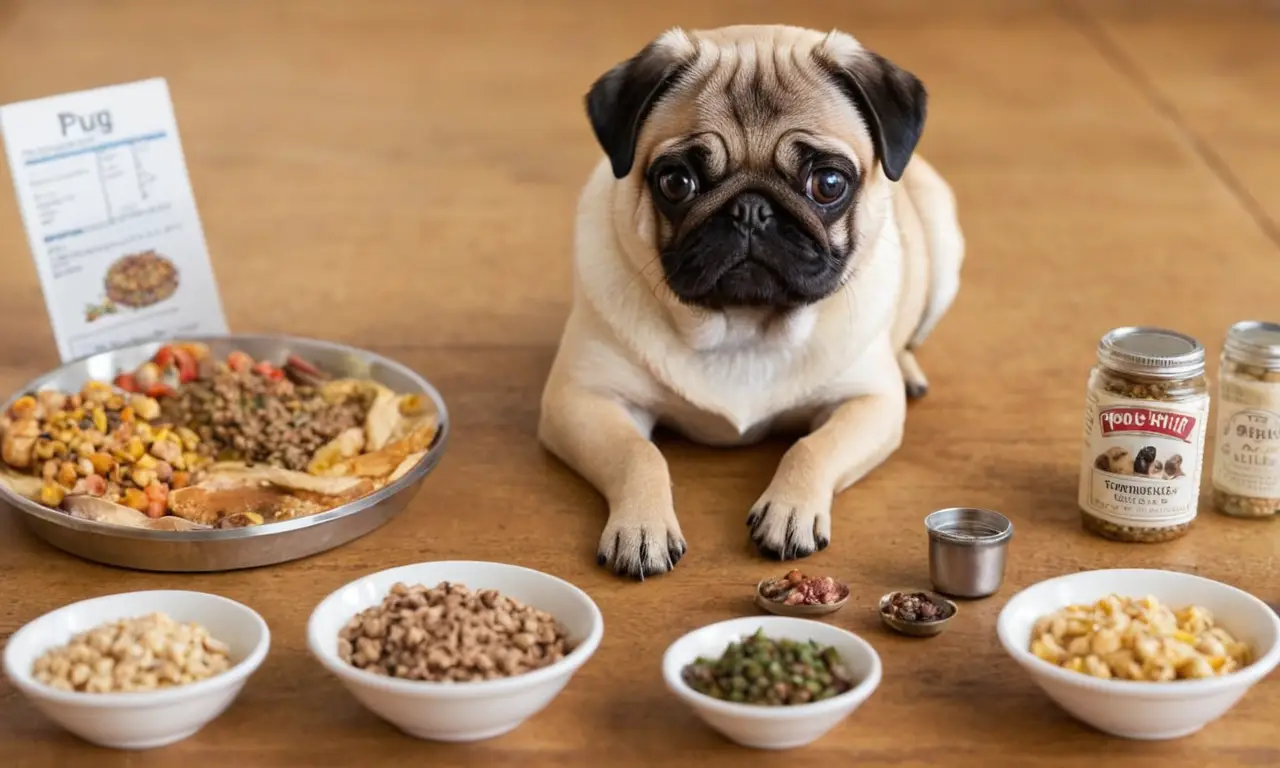
This comprehensive guide delves into the crucial question of how much food for a pug to eat, exploring the factors that influence their dietary needs, recommended feeding schedules, appropriate food choices, and potential pitfalls to avoid. Understanding your Pug's nutritional requirements is paramount for their overall health, energy levels, and longevity.
𝙲𝚘𝚗𝚝𝚎𝚗𝚝
- Understanding Your Pug's Dietary Needs
- How Much Food For A Pug To Eat: General Guidelines
- The Importance of Food Quality
- Calculating Caloric Needs
- Feeding Schedule for Pugs
- Treats and Chews: The Hidden Calories
- Recognizing and Managing Weight Issues
- Common Feeding Mistakes to Avoid
- Hydration is Key
- In summary: A Personalized Approach to Pug Nutrition
Understanding Your Pug's Dietary Needs
Pugs are a unique breed with specific physiological characteristics that influence their food intake. Their brachycephalic (flat-faced) nature means they can be prone to respiratory issues, and their tendency to gain weight easily requires careful management of their diet. The amount of food a Pug needs is not a one-size-fits-all answer. Several factors come into play:
- Age: Puppies, adults, and senior Pugs have vastly different caloric requirements.
- Activity Level: A highly active Pug will burn more calories than a sedentary one.
- Metabolism: Just like humans, some Pugs have faster metabolisms than others.
- Health Status: Pugs with underlying health conditions (e.g., allergies, digestive issues) may require a specialized diet.
- Weight: Whether your Pug is underweight, overweight, or at an ideal weight will dictate their food quantity.
- Type of Food: The caloric density and nutritional profile of the food you choose will significantly impact how much your Pug needs to eat.
How Much Food For A Pug To Eat: General Guidelines
As a general rule of thumb, adult Pugs typically require between 1/2 to 1 cup of high-quality dry kibble per day. However, this is a very broad estimation. It's crucial to consult your veterinarian for personalized recommendations. They can assess your individual Pug's needs based on their specific circumstances.
Puppy Pugs: Pug puppies are growing rapidly and have higher energy demands. Their feeding schedule and portion sizes will change frequently as they mature.
- 8-12 weeks: Puppies at this age might eat 3-4 small meals a day, with portions ranging from 1/4 to 1/2 cup per meal, depending on the food.
- 3-6 months: The frequency can often reduce to 2-3 meals a day, with portions increasing to 1/2 cup or more per meal.
- 6-12 months: As they approach adulthood, you'll gradually transition to adult feeding schedules and portions.
Adult Pugs: Once your Pug reaches maturity (around 10-12 months), their caloric needs stabilize. The goal is to maintain a healthy weight.
- Average Adult Pug (around 15-18 lbs): 1/2 to 1 cup of dry kibble per day, divided into two meals.
- Active Adult Pug: May require slightly more, potentially up to 1.25 cups per day.
- Less Active Adult Pug: Might be fine with closer to 1/2 cup per day.
Senior Pugs: Senior Pugs (over 7-8 years old) often have slower metabolisms and may require fewer calories. However, some seniors may benefit from foods with added joint support or other age-specific nutrients. The quantity might decrease slightly, or you may switch to a senior-specific food.
The Importance of Food Quality
The quality of your Pug's food is just as important as the quantity. Not all dog food is created equal. Look for high-quality kibble that lists a named meat source (like chicken, lamb, or salmon) as the first ingredient. Avoid foods with excessive fillers like corn, wheat, and soy, as these can be less digestible and contribute to allergies.
Key Ingredients to Look For:
Jack Russell Feeding Guide: How Much to Eat- Protein: Essential for muscle development and overall health.
- Healthy Fats: Provide energy and support skin and coat health.
- Complex Carbohydrates: Offer sustained energy.
- Vitamins and Minerals: Crucial for various bodily functions.
Wet Food vs. Dry Food:
- Dry Kibble: Generally more cost-effective, better for dental health (through chewing), and easier to store.
- Wet Food: More palatable for some dogs, higher moisture content (beneficial for hydration), but can be more expensive and may contribute to dental issues if not managed. Many owners opt for a combination of both.
Calculating Caloric Needs
While general guidelines are helpful, a more precise approach involves calculating your Pug's daily caloric needs.
The Resting Energy Requirement (RER): This is the energy your Pug needs at rest. The formula is:
RER = 70 * (Body Weight in kg)^0.75
Once you have the RER, you can multiply it by a factor based on your Pug's life stage and activity level:
- Neutered Adult: RER * 1.6
- Intact Adult: RER * 1.8
- Less Active/Senior: RER * 1.2 - 1.4
- Active/Working Dog: RER * 2.0 - 5.0 (though Pugs are not typically working dogs)
- Puppy (up to 4 months): RER * 3.0
- Puppy (4 months to adult): RER * 2.0
Example:
Let's say your Pug weighs 8 kg (approximately 17.6 lbs).
RER = 70 * (8)^0.75 ≈ 70 * 4.75 ≈ 332.5 calories
For a neutered adult Pug: 332.5 * 1.6 ≈ 532 calories per day.
You will then need to check the caloric content of your chosen dog food (usually listed on the packaging in kcal/cup) to determine how many cups this equates to.
Important Note: This is a simplified calculation. Your veterinarian can provide more accurate calculations and dietary recommendations.
Pitbull Feeding Guide: Optimal Nutrition for Your DogFeeding Schedule for Pugs
Consistency is key when it comes to feeding your Pug. Establishing a regular feeding schedule can help with digestion and house training.
- Puppies: 3-4 meals per day.
- Adults: 2 meals per day (morning and evening).
Avoid free-feeding, where food is left out all day. This can lead to overeating and weight gain, especially in Pugs who are prone to obesity.
Treats and Chews: The Hidden Calories
It's easy to underestimate the caloric impact of treats and chews. While they are great for training and enrichment, they should be given in moderation.
- Limit treats: Treats should not make up more than 10% of your Pug's daily caloric intake.
- Healthy treat options: Opt for low-calorie treats, small pieces of fruit or vegetables (ensure they are Pug-safe), or commercially made low-calorie treats.
- Avoid table scraps: Many human foods are unhealthy or even toxic to dogs.
When calculating how much food for a pug to eat, remember to factor in the calories from treats.
Recognizing and Managing Weight Issues
Pugs are notoriously susceptible to obesity. Overweight Pugs are at higher risk for various health problems, including:
- Breathing difficulties: Exacerbates their natural brachycephalic issues.
- Joint problems: Arthritis and hip dysplasia.
- Diabetes.
- Heart disease.
- Heatstroke.
Signs of an Overweight Pug:
- You can't easily feel their ribs.
- Their waistline is not visible when viewed from above.
- They have a sagging abdomen.
- They tire easily and are less active.
If you suspect your Pug is overweight, consult your veterinarian immediately. They can help you create a safe and effective weight-loss plan, which will likely involve adjusting their food intake and increasing exercise.
Common Feeding Mistakes to Avoid
- Overfeeding: The most common mistake. It's better to slightly underfeed than overfeed.
- Inconsistent feeding schedule: Can disrupt digestion.
- Ignoring treat calories: A handful of treats can add significant calories.
- Feeding low-quality food: Lacking essential nutrients and leading to health issues.
- Not consulting a veterinarian: Relying solely on generic advice can be detrimental.
- Allowing unlimited access to food: Leads to overeating and obesity.
Hydration is Key
Beyond food, ensuring your Pug has constant access to fresh, clean water is crucial. Dehydration can lead to numerous health problems.
Seamlessly Transition Your Dog's Diet: A Step-by-Step GuideIn summary: A Personalized Approach to Pug Nutrition
Ultimately, the question of how much food for a pug to eat requires a personalized approach. While general guidelines provide a starting point, your veterinarian is your most valuable resource. By understanding your Pug's age, activity level, health, and metabolism, and by choosing high-quality food, you can ensure your beloved Pug receives the optimal nutrition they need to live a long, healthy, and happy life. Regular weigh-ins and visual checks, coupled with open communication with your vet, will be your best tools in managing your Pug's diet effectively.
Parrot Diet: Best Fruits and Vegetables for Your Bird

Festive Feasts: Top Christmas Recipes for Dogs

Dog Kidney Failure Diet: Homemade Solutions & Care Tips
Choosing the Best Dog Food: A Comprehensive Guide

Cat Hepatitis Diet: Essential Foods for Your Feline Friend
Understanding the Composition of Cat Food for Health
Related posts