

Caring for a Water Turtle: A Comprehensive Guide
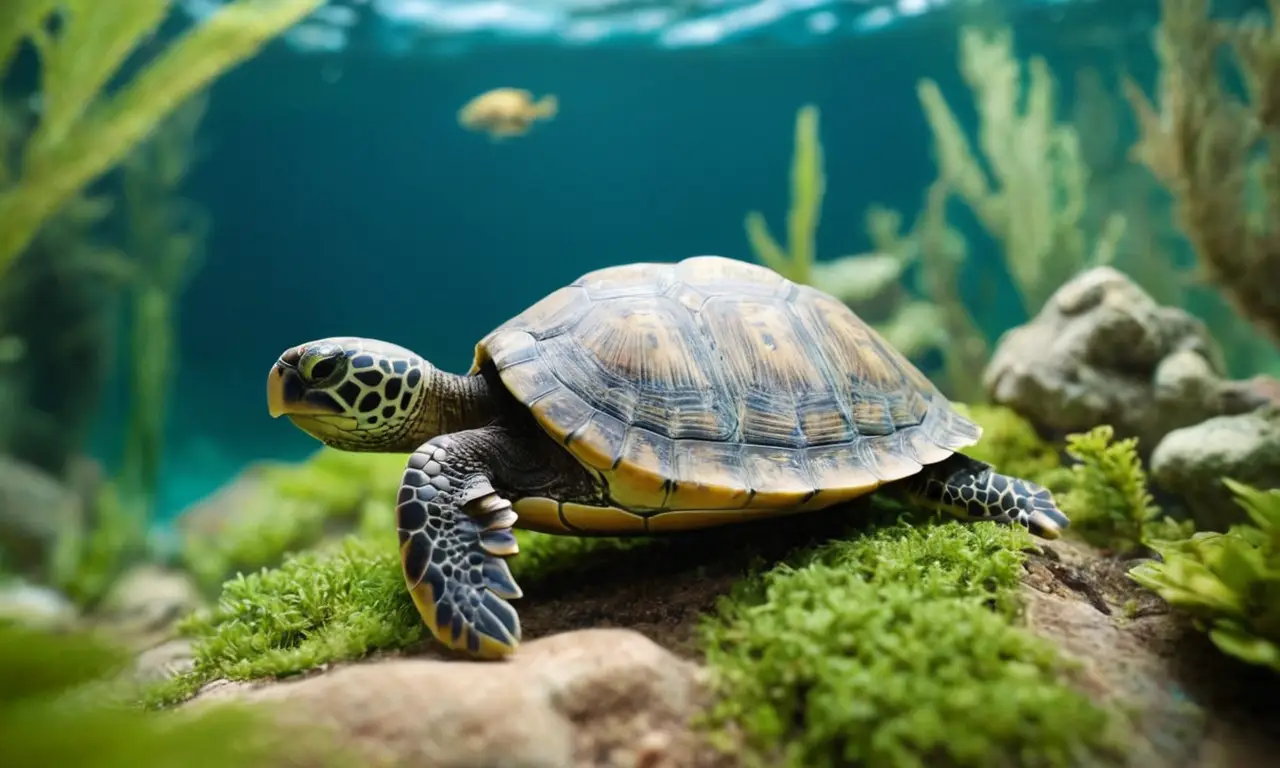
Caring for a Water Turtle: A Comprehensive Guide
Caring for a water turtle is a rewarding experience that requires dedication and a good understanding of their specific needs. These fascinating reptiles, often kept as pets, have a life expectancy that can span several decades, making them a long-term commitment. Providing the correct environment, diet, and enrichment is crucial for their health, well-being, and longevity. This comprehensive guide will delve into all the essential aspects of How to care for a water turtle?, ensuring you can offer your shelled companion a happy and healthy life. From setting up the perfect habitat to understanding their dietary requirements and recognizing common health issues, we'll cover everything you need to know.
𝙲𝚘𝚗𝚝𝚎𝚗𝚝
Understanding Your Water Turtle's Needs
Before bringing a water turtle home, it's essential to understand that they are not low-maintenance pets. They require a significant investment in time, space, and equipment. Different species of water turtles have varying needs, so it's vital to research the specific type you intend to keep. However, some general principles apply to most common pet water turtle species, such as Red-Eared Sliders, Painted Turtles, and Musk Turtles.
Species-Specific Research
The first and most crucial step in How to care for a water turtle? is to research the specific species you are interested in. Factors like adult size, basking temperature requirements, water temperature preferences, dietary habits, and social behaviors can differ greatly. For example, a small Musk Turtle will have different habitat needs than a larger Snapping Turtle.
Lifespan Commitment
Water turtles are long-lived creatures. Many species can live for 20-30 years in captivity, with some even reaching 50 years or more. This means you are committing to providing care for a pet for a substantial portion of your life.
Setting Up the Perfect Habitat: The Aquatic Environment
The aquatic environment is paramount to a water turtle's health. It needs to be carefully designed to mimic their natural habitat as closely as possible, providing ample space, clean water, and appropriate temperature gradients.
Boxer Dog Hair Care: A Comprehensive GuideThe Aquarium (Turtle Tank)
- Size Matters: Water turtles need plenty of swimming space. A general rule of thumb is to have at least 10 gallons of water volume per inch of shell length for a juvenile turtle. For adult turtles, this increases significantly. For example, a 4-inch Red-Eared Slider would ideally have a 40-gallon tank, and larger species require much bigger enclosures, often custom-built or pond-like setups. Overcrowding can lead to stress, aggression, and poor water quality.
- Material: Glass aquariums are common, but larger turtles may require plastic stock tanks or custom-built enclosures. Ensure the enclosure is secure to prevent escapes.
- Water Depth: The water should be deep enough for your turtle to swim freely and fully submerge. It should be at least twice the length of your turtle's carapace (top shell).
Filtration: The Key to Clean Water
Water quality is critical for preventing disease. Turtles are messy eaters and excrete a lot of waste, so a robust filtration system is non-negotiable.
- Types of Filters:
- Canister Filters: These are highly recommended for larger tanks as they offer superior filtration capacity and are more efficient at removing waste.
- Hang-on-Back (HOB) Filters: Suitable for smaller to medium-sized tanks, but you may need a more powerful model or multiple filters for larger enclosures.
- Internal Filters: Can be used, but they take up space inside the tank and are generally less effective than canister filters for the amount of waste turtles produce.
- Filter Sizing: Always choose a filter rated for a larger tank than you have. For instance, if you have a 75-gallon tank, opt for a filter rated for 100-125 gallons.
- Water Changes: Even with excellent filtration, regular partial water changes (25-50% weekly or bi-weekly, depending on the stocking and filtration) are essential to maintain optimal water quality and remove accumulated nitrates.
Heating the Water
Most water turtle species require heated water. The ideal temperature varies by species, but generally falls within the range of 75-80°F (24-27°C).
- Submersible Heaters: Use a submersible aquarium heater with a thermostat. Ensure it's a heavy-duty model, as turtles can sometimes chew on or knock over smaller heaters. Consider a heater guard to protect it from damage.
- Thermometer: Regularly monitor the water temperature with a reliable aquarium thermometer.
Basking Area: Essential for Thermoregulation and Health
A dry basking area is absolutely crucial for water turtles. They need to be able to haul themselves out of the water completely to dry off, bask under heat and UVB light, and regulate their body temperature.
- Basking Platform: This can be a floating dock, a piece of driftwood, rocks, or a custom-built platform. Ensure it is stable and large enough for your turtle to comfortably fit on.
- Heat Lamp: Position a heat lamp over the basking area to create a warm spot. The ideal temperature for the basking spot will vary by species, but typically ranges from 85-95°F (29-35°C). Use a thermometer to measure the surface temperature of the basking spot.
- UVB Lighting: This is arguably the most important aspect of a turtle's habitat. UVB rays are essential for turtles to synthesize Vitamin D3, which allows them to absorb calcium. Without adequate UVB, turtles can develop serious metabolic bone diseases.
- Type of Bulb: Use a high-quality UVB-emitting bulb specifically designed for reptiles. Fluorescent tube-style UVB bulbs are generally preferred over compact fluorescent bulbs, as they provide a wider and more consistent UVB output.
- Placement and Replacement: Position the UVB bulb so it shines directly onto the basking area. The distance between the bulb and the basking spot is crucial and depends on the bulb's strength and manufacturer's recommendations. UVB bulbs lose their effectiveness over time, even if they still produce visible light. They should be replaced every 6-12 months, depending on the brand and type.
Diet and Nutrition: Fueling Your Water Turtle
A balanced diet is essential for a healthy and active water turtle. Their dietary needs change as they mature, with younger turtles typically being more carnivorous and adults becoming more omnivorous.
What to Feed Your Water Turtle
- Commercial Turtle Pellets: High-quality commercial turtle pellets formulated for your turtle's species and age are a good staple. Look for brands that offer a balanced nutritional profile.
- Leafy Greens: Offer a variety of dark, leafy greens like romaine lettuce, red leaf lettuce, dandelion greens, and turnip greens. Avoid iceberg lettuce, as it has little nutritional value.
- Vegetables: Small amounts of certain vegetables can be offered, such as shredded carrots, zucchini, and bell peppers.
- Protein Sources:
- Insects: Crickets, mealworms, earthworms, and dubia roaches are excellent protein sources. Ensure they are gut-loaded (fed nutritious food before being fed to your turtle).
- Cooked Meats: Small amounts of unseasoned, cooked lean meats like chicken or turkey can be offered occasionally.
- Fish: Small, whole fish (like guppies or minnows) that are high in calcium and low in thiaminase can be fed as an occasional treat. Avoid feeding fish that are high in thiaminase, as it can interfere with thiamine absorption.
- Calcium and Vitamin Supplements:
- Calcium: It's crucial to provide a good source of calcium. Dusting food with a calcium supplement (without D3 if you have adequate UVB lighting, or with D3 if recommended by a vet or if you suspect a deficiency) a few times a week can be beneficial.
- Multivitamins: A reptile multivitamin supplement can be used sparingly (once or twice a week) to ensure all nutritional needs are met. Over-supplementation can be harmful.
Feeding Frequency and Amount
- Juvenile Turtles: Young turtles should be fed daily, with an amount of food that they can consume within 5-10 minutes.
- Adult Turtles: Adult turtles can be fed every other day or a few times a week, as their metabolism slows down.
- Portion Control: Avoid overfeeding, as it can lead to obesity, shell deformities, and other health problems.
Feeding Location
To keep the water cleaner, consider feeding your turtle in a separate, shallow container or tub of water rather than in their main aquarium. This prevents uneaten food and waste from constantly fouling the main tank water.
American Akita Coat Care: A Comprehensive GuideHealth and Hygiene: Keeping Your Turtle Safe
Regular observation and good hygiene practices are vital for preventing and identifying health issues in water turtles.
Recognizing Signs of Illness
Be vigilant and observe your turtle daily for any changes in behavior or appearance. Signs of illness can include:
- Lethargy or inactivity: A normally active turtle becoming sluggish.
- Loss of appetite: Refusal to eat or significantly reduced intake.
- Abnormal breathing: Open-mouth breathing, wheezing, or nasal discharge (indicating respiratory infections).
- Swollen eyes or discharge from eyes: A common sign of Vitamin A deficiency or infection.
- Soft or deformed shell: This can indicate metabolic bone disease.
- Discolored or overgrown shell: Can be a sign of poor water quality or fungal infections.
- Floating on one side or difficulty diving: Can indicate buoyancy issues, possibly due to impaction or internal problems.
- Lesions, sores, or abnormal growths on skin or shell.
Common Health Issues and Prevention
- Metabolic Bone Disease (MBD): Caused by a lack of calcium, Vitamin D3, and/or UVB light. Prevention involves providing a proper diet, a calcium source, and adequate UVB lighting.
- Respiratory Infections: Often caused by poor water quality, fluctuating temperatures, or drafts. Ensuring proper temperature gradients and clean water is crucial.
- Shell Rot: Can be caused by bacterial or fungal infections, often linked to poor water quality or injury. Keeping the habitat clean and providing a good basking area can help.
- Vitamin A Deficiency: Leads to swollen eyes and other issues. Ensure a varied diet that includes vitamin A-rich foods like carrots and dark leafy greens.
Veterinary Care
Find a veterinarian experienced with reptiles. Regular check-ups can help catch issues early. If you suspect your turtle is ill, seek professional veterinary attention immediately.
Enrichment and Handling: A Stimulating Life
While turtles are not as interactive as some other pets, providing enrichment can significantly improve their quality of life.
Environmental Enrichment
- Hiding Places: Provide caves, tunnels, or dense plants (artificial or safe live plants) where your turtle can retreat and feel secure.
- Varied Substrate (Optional): For some species, a substrate like large, smooth gravel or sand can be provided, but ensure it's not ingestible or too small to cause impaction. Many keepers opt for a bare-bottom tank for ease of cleaning.
- Decorations: Rocks, driftwood, and other safe decorations can add visual interest and provide climbing opportunities.
Handling Your Turtle
Turtles are not typically "cuddly" pets. Excessive handling can be stressful for them.
Choosing a Guinea Pig: Your Ultimate Guide to Happy Pets- When to Handle: Handle your turtle only when necessary, such as for cleaning their habitat, health checks, or during vet visits.
- Proper Handling Technique: Always support your turtle's body securely from underneath, holding them firmly but gently. Avoid picking them up by their shell alone, as this can be uncomfortable or even painful.
- Hygiene: Always wash your hands thoroughly with soap and water before and after handling your turtle, as they can carry Salmonella.
In summary: A Rewarding Journey
How to care for a water turtle? is a question that deserves a detailed and thoughtful answer. By providing a well-designed habitat, a nutritious diet, appropriate lighting and heating, and vigilant health monitoring, you can ensure your water turtle thrives for many years to come. Remember that research, dedication, and a willingness to adapt to their evolving needs are key to a successful and rewarding long-term relationship with these remarkable creatures.
Cat Urinary Crystals: Types, Symptoms & Treatment Guide

Cat Weight: How Do I Know If My Cat Is Fat?

Encephalitis in Dogs: Symptoms, Causes & Treatment

Dog Cavities: Causes, Symptoms, and Treatment Options
Natural Flea Relief: Home Remedies for Fleas in Cats

Newborn Puppy Feeding Guide: From Birth to Weaning
Related posts