

Budgie Cracked Beak: Causes, Symptoms & How to Cure
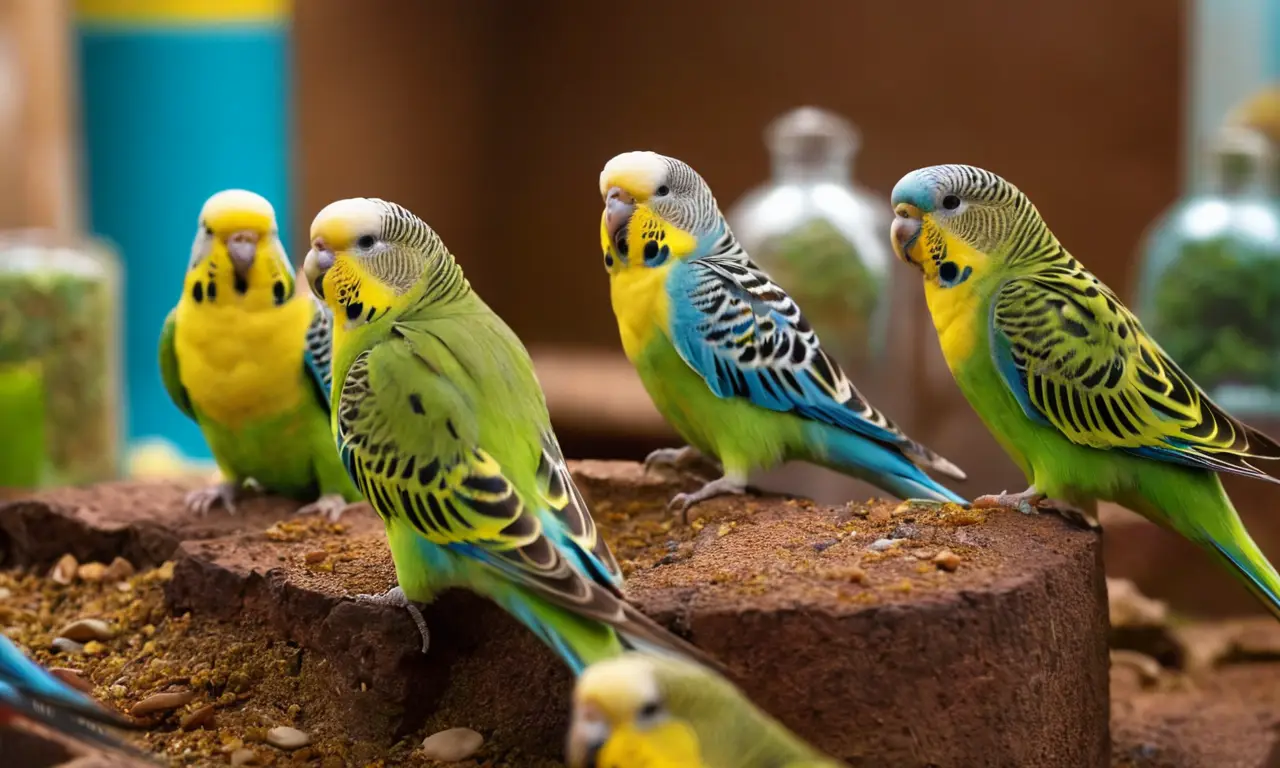
How to Cure a Budgie's Cracked Beak: A Comprehensive Guide
A cracked beak in a budgie can be a distressing sight for any bird owner, raising immediate concerns about the bird's health and well-being. While a budgie's beak is a remarkable tool essential for feeding, grooming, and climbing, it can unfortunately be susceptible to damage. Understanding the causes of a cracked beak, recognizing the symptoms, and knowing the proper steps for treatment are crucial for ensuring your feathered friend recovers quickly and fully. This guide will delve into the intricacies of budgie beak health, providing you with the knowledge and practical advice needed to effectively address and How to Cure a Budgie's Cracked Beak.
𝙲𝚘𝚗𝚝𝚎𝚗𝚝
Understanding the Budgie Beak: More Than Just a Mouthpiece
Before we dive into the specifics of cracks, it's important to appreciate the complexity and vital role of a budgie's beak. The beak, also known as the rostrum, is composed of keratin, the same protein that makes up our fingernails and hair. It's a dynamic structure that grows continuously throughout the bird's life. This constant growth is essential for maintaining the beak's functionality.
A healthy budgie beak is:
* Smooth and uniform: It should have a consistent texture without any rough patches or irregular edges.
* Symmetrical: Both the upper and lower mandibles should fit together properly.
* Pinkish or pale in color: The exact color can vary slightly between individuals and breeds, but it should be consistent.
* Functional: The budgie should be able to grip food, preen its feathers, and use its beak for climbing without difficulty.
The beak isn't just for eating; it's a primary tool for a budgie's daily life. They use it to:
* Forage and eat: Cracking seeds, manipulating food items.
* Preen their feathers: Essential for hygiene and maintaining feather condition.
* Groom themselves and their cage mates: Social bonding and mutual grooming.
* Climb and explore: Using their beak as a third limb to navigate their environment.
* Communicate: Subtle beak movements can convey emotions.
Common Causes of a Budgie's Cracked Beak
A cracked beak isn't usually a random occurrence; it's often a symptom of an underlying issue or an external trauma. Identifying the root cause is the first step in effective treatment and prevention.
1. Nutritional Deficiencies
This is perhaps one of the most common and preventable causes of beak problems in budgies. A balanced diet is paramount for healthy keratin production.
- Calcium Deficiency: Calcium is a building block for keratin. Without adequate calcium, the beak can become brittle and prone to cracking. This can occur if a budgie's diet consists primarily of seeds without supplemental vitamins and minerals.
- Vitamin A Deficiency: Vitamin A plays a crucial role in cell growth and differentiation, including that of the beak. A lack of this vitamin can lead to abnormal beak growth and texture.
- General Malnutrition: A diet lacking in essential vitamins, minerals, and protein can weaken the entire bird, including its beak.
2. Trauma and Injury
Direct physical impact is a frequent culprit for beak fractures and cracks.
- Cage Doors and Grates: Budgies can accidentally catch their beaks in cage doors or between bars, especially during energetic movements or if the cage is too small.
- Collisions: Flying into windows, mirrors, or other solid objects in their environment can cause beak injuries.
- Falls: A fall from a perch or the cage can lead to a cracked beak if the bird lands awkwardly.
- Aggression from Other Birds: If housed with other budgies or birds, aggressive pecking or fighting can result in beak damage.
- Rough Handling by Owner: While unintentional, mishandling a budgie can lead to a cracked beak.
3. Overgrown Beak (Hyperplasia)
If a budgie's beak doesn't wear down naturally, it can overgrow. This overgrowth can lead to abnormal shapes, unevenness, and eventually, cracks as the beak becomes too long and unwieldy.
- Lack of Appropriate Chewing Materials: Budgies need access to items that allow them to naturally wear down their beaks.
- Underlying Health Conditions: Certain metabolic disorders or liver diseases can affect beak growth.
4. Infections and Diseases
While less common than the above, certain infections can affect the beak's integrity.
How to Cure a Stye in a Dog's Eye: A Comprehensive Guide- Bacterial or Fungal Infections: If the beak is already damaged, it can become susceptible to secondary infections, which can worsen the crack or cause further tissue damage.
- PBFD (Psittacine Beak and Feather Disease): This viral disease can cause significant beak deformities, including abnormal growth and cracking. However, this is usually accompanied by feather abnormalities as well.
5. Environmental Factors
- Dry Air: Extremely dry environments can sometimes contribute to beak dryness and brittleness, making it more prone to cracking.
Recognizing the Symptoms of a Cracked Budgie Beak
The appearance of a cracked beak can vary in severity, from a minor hairline fracture to a deep, splintering break. It's important to be observant of your budgie's behavior and physical condition.
Visual Signs:
* Visible crack or split: This can be a thin line or a more significant gap in the beak.
* Jagged edges: The beak might appear rough and uneven.
* Discoloration: The area around the crack might appear darker or inflamed.
* Blood: In severe cracks, you might see bleeding from the beak.
* Deformation: The beak might look misshapen or crooked.
Behavioral Changes:
* Difficulty eating: The budgie might struggle to grip or crack seeds, leading to weight loss and lethargy.
* Dropping food: Food might fall out of their beak as they try to eat.
* Reduced preening: They might avoid grooming themselves, or their feathers may look unkempt.
* Pain or discomfort: The budgie might rub its beak on perches or cage bars, or appear restless.
* Lethargy and weakness: A sick or injured budgie will often be less active.
* Changes in vocalization: Some birds might become quieter.
How to Cure a Budgie's Cracked Beak: A Step-by-Step Approach
The approach to curing a budgie's cracked beak depends largely on the severity of the crack and its underlying cause.
Step 1: Immediate Assessment and First Aid
If you discover a cracked beak, the first and most crucial step is to remain calm and carefully examine your budgie.
- Is there bleeding? If there is active bleeding, gently apply pressure with a clean, lint-free cloth or a styptic pencil designed for birds (if you have one on hand). Do not use human styptic pencils, as they can be toxic.
- How deep is the crack? A hairline crack might not require immediate veterinary intervention, but a deep or splintering crack does.
- Is the beak severely deformed? If the beak is significantly out of alignment, it's an emergency.
If there is significant bleeding or a severe fracture, contact your avian veterinarian immediately.
Step 2: Consult an Avian Veterinarian
For any crack that is more than a superficial scratch, or if you are unsure about the severity, a visit to an avian veterinarian is essential. They are trained to diagnose and treat bird-specific ailments.
The veterinarian will:
* Perform a thorough examination: They will assess the beak's condition, check for underlying causes, and evaluate your budgie's overall health.
* X-rays: In cases of severe trauma, X-rays might be needed to check for bone fractures in the skull.
* Clean and disinfect: The vet will clean the wound to prevent infection.
* Pain management: If the crack is painful, the vet may prescribe pain relief medication.
* Antibiotics: If an infection is present or suspected, antibiotics will be prescribed.
* Beak repair: For some severe fractures, the vet might be able to repair the beak using bonding agents or other veterinary materials. This is often done under anesthesia.
* Address underlying causes: If the crack is due to nutritional deficiency or overgrowth, the vet will provide dietary recommendations or treatment plans.
Step 3: Home Care and Support
Once you have consulted with your veterinarian and have a treatment plan, you will need to provide supportive care at home.
How to Cure an Infected Dog Nail: A Comprehensive Guide3.1. Dietary Adjustments
This is crucial for beak health and recovery.
-
Improve Diet Quality:
- Pellets: Transition your budgie to a high-quality pellet diet as the primary food source. Pellets are formulated to provide a balanced range of nutrients.
- Fresh Foods: Offer a variety of fresh vegetables (leafy greens, carrots, broccoli) and some fruits (in moderation). These provide essential vitamins and minerals.
- Calcium Supplementation: If recommended by your vet, offer a cuttlebone or a mineral block. Ensure it's not too hard if the beak is very tender.
- Avoid Seed-Only Diets: Seed mixes are often high in fat and low in essential vitamins and minerals, contributing to beak problems.
-
Ease of Feeding:
- Softer Foods: For a period, offer softer food options that require less beak manipulation. This could include cooked grains (oats, quinoa), mashed vegetables, or specialized bird foods designed for sick or recovering birds.
- Smaller Food Pieces: Cut food into smaller, manageable pieces.
- Easy Access: Ensure food and water dishes are easily accessible, perhaps placed on the cage floor or on lower perches if your budgie is weak.
3.2. Creating a Safe and Conducive Environment
-
Cage Environment:
- Smooth Perches: Use smooth, appropriately sized perches. Avoid rough or abrasive perches that could irritate the beak.
- Remove Hazards: Inspect the cage for any potential beak hazards, such as loose wires, sharp edges, or ill-fitting cage bars.
- Gentle Cleaning: Clean the cage regularly using bird-safe disinfectants.
-
Handling:
- Minimize Handling: If your budgie is in pain or stressed, limit handling. When you do handle them, be extra gentle.
- Observation: Spend time observing your budgie from a distance to monitor their behavior and eating habits.
3.3. Beak Grooming and Monitoring
-
Natural Wear: Provide chew toys that encourage natural beak wear. Examples include:
- Wooden toys: Untreated wood is excellent for chewing.
- Mineral blocks: These can also help with beak wear.
- Cuttlebones: Essential for calcium and beak conditioning.
- Bird-specific safe branches: Like millet spray or natural perches.
-
Regular Checks: Gently and regularly inspect your budgie's beak for any changes, signs of healing, or worsening of the crack. Do this when the bird is calm and comfortable.
3.4. Medication and Supplements
- Administer Prescribed Medications: If your vet has prescribed antibiotics, antifungals, or pain medication, administer them exactly as directed.
- Follow Vet's Advice on Supplements: If your vet recommends specific supplements (e.g., calcium or vitamin supplements), use them as instructed.
Step 4: Long-Term Prevention
Preventing future beak problems is as important as treating the current one.
- Balanced Diet: This is the cornerstone of beak health. Ensure your budgie receives a varied diet rich in vitamins and minerals, primarily from high-quality pellets and fresh foods.
- Appropriate Toys: Provide a variety of chewing toys that allow your budgie to naturally wear down its beak. Rotate toys to keep them engaged.
- Safe Cage Environment: Regularly inspect the cage for any potential hazards. Ensure cage bar spacing is appropriate for your budgie.
- Regular Health Checks: Annual or semi-annual check-ups with an avian vet can help detect potential health issues before they manifest as beak problems.
- Proper Handling: Always handle your budgie gently and securely.
- Monitor Social Dynamics: If housing multiple birds, monitor their interactions to prevent aggressive pecking.
When is a Cracked Beak an Emergency?
While a minor crack might be manageable with home care and veterinary guidance, certain situations warrant immediate veterinary attention.
Cat Grooming: How to Cut Cat Hair Safely at Home- Heavy Bleeding: If the crack is actively bleeding profusely and you cannot control it with gentle pressure.
- Severe Pain: If your budgie is showing clear signs of distress, crying out, or trembling.
- Inability to Eat or Drink: If the budgie is completely unable to consume food or water due to the beak injury.
- Major Deformity: If the beak is significantly crooked, broken, or appears to be detached from the face.
- Lethargy and Weakness: If the budgie is extremely weak, unresponsive, or showing other signs of systemic illness.
- Suspected Infection: If the crack area is red, swollen, has pus, or has a foul odor.
In summary
A cracked beak in a budgie can be a concerning issue, but with prompt recognition, appropriate veterinary care, and diligent home support, your feathered companion can recover. Understanding the causes, observing the symptoms, and implementing preventative measures are key to maintaining your budgie's beak health. Always prioritize a balanced diet, a safe environment, and regular veterinary check-ups. By following these guidelines, you can effectively How to Cure a Budgie's Cracked Beak and ensure your budgie continues to thrive.
Remember, your budgie's beak is a vital tool for its survival and well-being. Taking proactive steps to protect and care for it will contribute significantly to a long and happy life for your pet.
Cat Urinary Crystals: Types, Symptoms & Treatment Guide

Cat Weight: How Do I Know If My Cat Is Fat?

Encephalitis in Dogs: Symptoms, Causes & Treatment
Dog Cavities: Causes, Symptoms, and Treatment Options

Natural Flea Relief: Home Remedies for Fleas in Cats

Newborn Puppy Feeding Guide: From Birth to Weaning
Related posts