

How to Deworm Canaries Safely & Effectively for Health
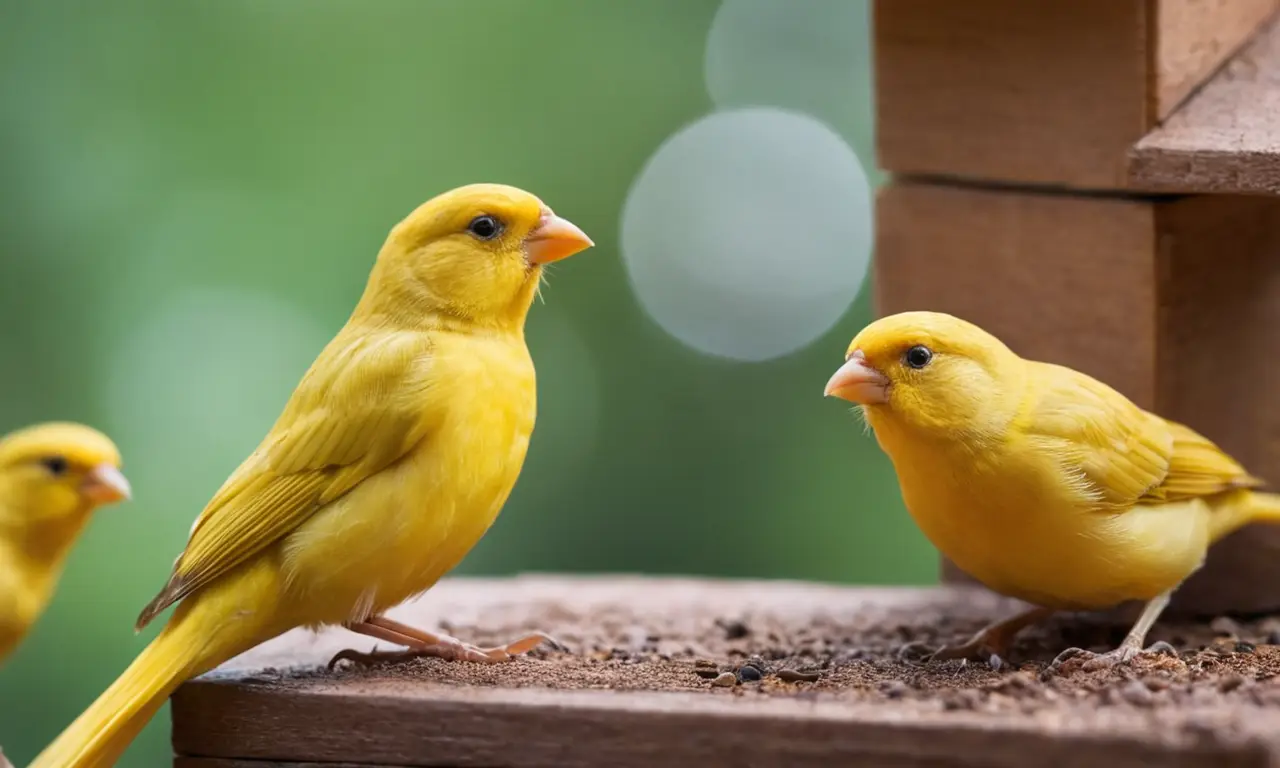
How to Deworm Canaries Safely & Effectively for Health
Deworming canaries is a crucial aspect of responsible pet ownership, ensuring their well-being and preventing a range of health issues. Internal parasites, commonly known as worms, can infect your feathered friends, leading to poor feather condition, lethargy, weight loss, and in severe cases, even death. Understanding how to deworm canaries is essential for any canary owner who wants to maintain a healthy and vibrant flock. This comprehensive guide will walk you through the process, from recognizing the signs of parasitic infection to selecting the right deworming medication and administering it correctly. We will also discuss preventative measures and when to seek professional veterinary advice.
𝙲𝚘𝚗𝚝𝚎𝚗𝚝
- Understanding Internal Parasites in Canaries
- Recognizing the Signs of Parasitic Infection
- When to Consider Deworming Your Canaries
- How to Deworm Canaries: Choosing the Right Medication
- How to Deworm Canaries: Administration and Treatment Protocols
- Preventative Measures: The Best Defense Against Parasites
- When to Seek Veterinary Advice
- In summary
Understanding Internal Parasites in Canaries
Internal parasites are microscopic organisms that live inside a bird's body, often in the digestive tract. They feed on the bird's nutrients, weakening its immune system and causing various health problems. The most common types of internal parasites affecting canaries include:
- Roundworms (Ascarids): These are the most prevalent intestinal worms in birds. They are large, thread-like worms that absorb nutrients from the bird's gut. Heavy infestations can lead to blockages in the intestines.
- Capillaria Worms (Hairworms): These are thin, thread-like worms that burrow into the lining of the intestine. They cause significant damage and inflammation, leading to poor nutrient absorption and diarrhea.
- Gapeworms: These parasites reside in the bird's trachea (windpipe) and can cause breathing difficulties, gasping, and suffocation. While less common in canaries compared to other bird species, they are still a potential threat.
- Coccidia: While technically protozoa and not worms, coccidia are often discussed alongside internal parasites due to their similar impact on the digestive system. They live in the intestinal cells and cause severe diarrhea, dehydration, and weight loss.
Recognizing the Signs of Parasitic Infection
Early detection is key when it comes to deworming your canaries. Many symptoms can be subtle at first, so it's important to be observant of your birds' behavior and physical condition. Signs that your canary might have internal parasites include:
- Weight Loss: A significant and unexplained decrease in body weight is a common indicator of parasitic infection. You might notice your canary looking thinner, with more prominent keel bone.
- Lethargy and Weakness: Parasitized birds often appear listless, less active, and may spend more time sitting at the bottom of the cage. They may also seem reluctant to fly.
- Poor Feather Condition: Feathers might become ruffled, dull, or show signs of poor growth. In severe cases, there might be feather loss.
- Changes in Droppings: Diarrhea (watery droppings), the presence of mucus or blood in the droppings, or undigested food can all be signs of intestinal parasites.
- Vomiting or Regurgitation: While less common, some parasitic infections can lead to regurgitation of food.
- Increased Appetite with No Weight Gain: The bird may eat more than usual but still lose weight due to the parasites absorbing essential nutrients.
- Gasping or Difficulty Breathing: If gapeworms are present, you might observe your canary gasping for air, opening its beak frequently, or making wheezing sounds.
- Sudden Death: In severe, untreated cases, parasitic infections can lead to sudden death, especially in young or immunocompromised birds.
When to Consider Deworming Your Canaries
There are several scenarios when deworming your canaries might be necessary:
Betta Fish Sexing: How to Differentiate Male & Female- Preventative Deworming: Many experienced breeders and avian veterinarians recommend a routine preventative deworming schedule. This is especially important if you have multiple birds, introduce new birds to your flock, or if your canaries have access to outdoor aviaries where they might be exposed to parasites. The frequency of preventative deworming can vary, but often ranges from every 3-6 months.
- After Introducing New Birds: Any new bird should be quarantined and dewormed before being introduced to your existing flock. This prevents the potential spread of parasites.
- When Symptoms are Observed: If you notice any of the signs of parasitic infection mentioned above, it's crucial to take action immediately.
- Before Breeding Season: Deworming birds before the breeding season can help ensure that both parent birds and their offspring are healthy and free from parasitic burdens.
- After a Known Exposure: If you know your birds have been in contact with a bird that was diagnosed with parasites, it's wise to deworm them as a precautionary measure.
How to Deworm Canaries: Choosing the Right Medication
Selecting the appropriate deworming medication is critical. It's important to note that how to deworm canaries effectively relies heavily on using the correct medication for the specific parasite and the correct dosage. Over-the-counter human medications are generally NOT suitable for birds and can be toxic. Always consult with an avian veterinarian or a reputable bird supply store for recommendations.
Commonly used and effective deworming medications for canaries include:
- Flubendazole: This is a broad-spectrum anthelmintic effective against a variety of roundworms and tapeworms. It is often available in powdered form that can be mixed with food or water.
- Levamisole: Another effective anthelmintic that targets roundworms. It is typically administered in drinking water.
- Moxidectin: This is a more potent medication, often used for difficult-to-treat parasitic infections. It may be available as a liquid that can be administered directly or mixed with food.
- Fenbendazole: Similar to flubendazole, this is a broad-spectrum anthelmintic effective against various intestinal parasites. It can be given in food or water.
Important Considerations When Choosing Medication:
- Species-Specific Dosage: Always adhere to the dosage recommendations for canaries. Birds are highly sensitive, and incorrect dosing can be dangerous.
- Targeted vs. Broad-Spectrum: Some medications are broad-spectrum, treating multiple types of parasites, while others are more targeted. Your veterinarian can help you determine the best option based on your bird's specific needs.
- Administration Method: Medications can be administered in drinking water, mixed with food, or given directly. Choose a method that you are comfortable with and that your canary is likely to accept.
- Source of Medication: Purchase deworming medications from reputable avian veterinarians or trusted bird supply companies. Avoid questionable sources.
How to Deworm Canaries: Administration and Treatment Protocols
Once you have the appropriate deworming medication, the next crucial step is correct administration. How to deworm canaries safely and effectively involves following precise instructions.
Sexing Guinea Pigs: How to Differentiate Male from FemaleGeneral Administration Guidelines:
- Consult Your Veterinarian: This cannot be stressed enough. Your avian veterinarian is the best resource for diagnosing parasitic infections and recommending the most appropriate treatment. They can perform fecal tests to identify specific parasites and prescribe the correct medication and dosage.
- Read the Instructions Carefully: Always follow the manufacturer's instructions for the specific deworming product you are using.
- Dosage: Calculate the dosage accurately based on the bird's weight or the number of birds being treated. For single-bird treatments, precise dosing is critical. For flock treatments, ensure all birds have access to the medicated water or food.
- Duration of Treatment: Most deworming treatments require a specific duration, often a few days. It's vital to complete the entire course of treatment, even if your bird appears to be recovering. Stopping early can lead to a resurgence of the infection.
- Administering in Water: If the medication is given in drinking water, prepare fresh medicated water daily for the duration of the treatment. Remove all other sources of water during this time to ensure the bird consumes the medicated water.
- Administering in Food: If mixed with food, ensure the bird eats the medicated food. Sometimes, lightly moistening the food can help the medication adhere.
- Monitoring: Closely observe your canary for any adverse reactions to the medication. If you notice any concerning signs, contact your veterinarian immediately.
- Repeat Treatment: Some parasitic infections, particularly those with complex life cycles (like certain types of worms), may require a repeat treatment after a specific interval (e.g., 2-3 weeks) to eliminate any newly hatched parasites. Your veterinarian will advise on this.
Specific Protocols (Examples - Always Consult Your Vet):
- For a single canary: Your vet might prescribe a specific dose of liquid medication to be administered directly or mixed with a small amount of food.
- For a small flock in a cage: You might use a water-soluble medication that is added to the drinking water for a set number of days. Ensure all birds drink the medicated water.
- For a large aviary: A veterinarian might recommend adding a powdered medication to the feed for a specific period, ensuring all birds consume it.
Preventative Measures: The Best Defense Against Parasites
While how to deworm canaries is important, prevention is always better than cure. Implementing good husbandry practices can significantly reduce the risk of parasitic infections.
- Good Hygiene:
- Regular Cage Cleaning: Clean your canary's cage thoroughly and frequently. Remove droppings daily and wash the cage with a mild disinfectant at least weekly.
- Clean Food and Water Dishes: Wash food and water dishes daily.
- Use of Mite and Insect Sprays: In aviaries, regular use of avian-safe mite and insect sprays can help control external parasites that can sometimes carry internal parasite eggs.
- Quarantine New Birds: Always quarantine any new bird for at least 30 days before introducing them to your existing flock. During quarantine, monitor for any signs of illness and deworm them as recommended by your veterinarian.
- Diet and Nutrition: A well-balanced diet strengthens your canary's immune system, making it more resistant to infections. Provide a high-quality seed mix supplemented with fresh fruits, vegetables, and sprouted seeds.
- Avoid Overcrowding: Overcrowding can stress birds and create an environment where parasites can spread more easily. Ensure adequate space for each bird.
- Limit Exposure to Wild Birds: Wild birds can be carriers of parasites and diseases. If your canaries are housed outdoors, take measures to prevent contact with wild bird droppings or other sources of contamination.
- Fecal Testing: Regular fecal testing by your veterinarian can help detect parasitic infections before they become symptomatic. This is a proactive approach to maintaining flock health.
When to Seek Veterinary Advice
While this guide provides comprehensive information on how to deworm canaries, it is not a substitute for professional veterinary care. You should always consult an avian veterinarian if:
Sexing Hamsters: Your Guide to Differentiating Male & Female- You suspect your canary has an internal parasite infection and are unsure of the cause or treatment.
- Your canary shows severe symptoms of illness, such as extreme lethargy, difficulty breathing, or bloody droppings.
- You are new to bird keeping and need guidance on deworming protocols.
- Your canary does not respond to treatment.
- You are preparing your canaries for breeding.
- You have a flock of birds and need advice on managing parasitic control.
An experienced avian veterinarian can perform diagnostic tests, accurately identify parasites, and prescribe the most effective and safe treatment plan for your specific situation. They can also provide personalized advice on preventative care tailored to your flock's needs.
In summary
Maintaining the health of your canaries involves vigilance, proper husbandry, and timely intervention when necessary. Understanding how to deworm canaries is a vital skill for any devoted owner. By recognizing the signs of parasitic infection, choosing appropriate medications in consultation with a veterinarian, and implementing effective preventative measures, you can significantly contribute to the longevity and well-being of your beloved feathered companions. Regular veterinary check-ups and proactive care are the cornerstones of keeping your canaries happy, healthy, and free from the detrimental effects of internal parasites.
Cat Urinary Crystals: Types, Symptoms & Treatment Guide

Cat Weight: How Do I Know If My Cat Is Fat?

Encephalitis in Dogs: Symptoms, Causes & Treatment

Dog Cavities: Causes, Symptoms, and Treatment Options

Natural Flea Relief: Home Remedies for Fleas in Cats

Newborn Puppy Feeding Guide: From Birth to Weaning
Related posts