

Wasps vs. Bees: How to Differentiate Them Safely
Wasps vs. Bees: How to Differentiate Them Safely
The buzzing of insects in our gardens is a familiar sound, often associated with either the gentle hum of pollinators or the more alarming buzz of stinging insects. While both wasps and bees are flying hymenopterans, they possess distinct characteristics that allow for easy differentiation, crucial for understanding their roles in the ecosystem and for personal safety. This comprehensive guide will delve into the world of these fascinating insects, explaining how to differentiate wasps and bees? by examining their physical appearance, behaviors, diets, and nesting habits, ultimately equipping you with the knowledge to appreciate their differences and navigate potential encounters.
𝙲𝚘𝚗𝚝𝚎𝚗𝚝
Unveiling the Key Distinctions: A Visual Comparison
One of the most immediate ways to tell wasps and bees apart is by their physical appearance. While both have segmented bodies, the details of their anatomy offer clear clues.
Body Shape and Size
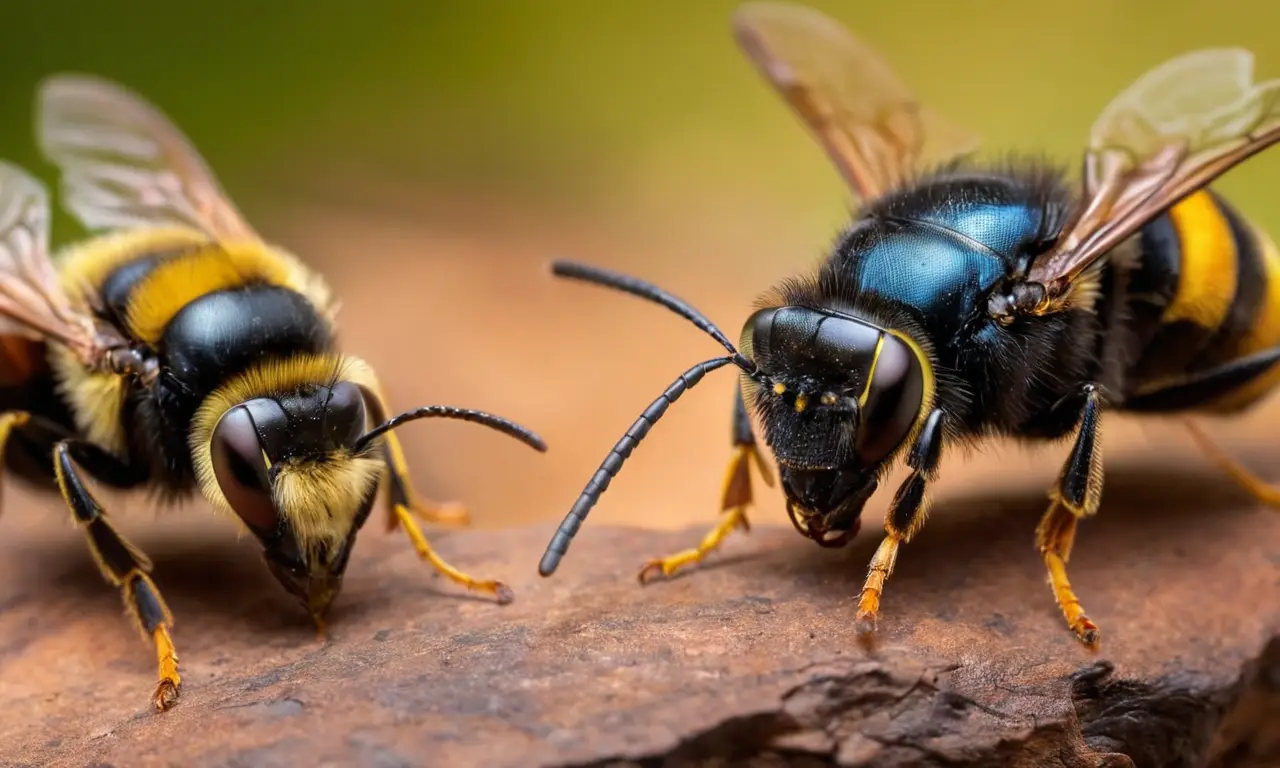
Bees, particularly the familiar honeybee and bumblebee, tend to have more robust and "fuzzy" bodies. This fuzziness is actually composed of branched hairs, which are essential for pollen collection. Their bodies are generally more rounded and stout. In contrast, wasps, such as yellowjackets and hornets, are typically sleeker, more streamlined, and have a smooth, shiny appearance with little to no visible hair. Their waists are often more pronounced, creating a distinct constriction between their thorax and abdomen, commonly referred to as a "wasp waist."
Coloration and Markings
While both insects can display yellow and black patterns, the intensity and distribution of these colors differ. Bees often have softer, more muted yellow or brown markings, sometimes interspersed with black or orange. The fuzz on their bodies can also contribute to a less sharply defined pattern. Wasps, on the other hand, usually exhibit brighter, more vibrant yellow and black stripes. These markings are typically more defined and stark. Some wasp species, like the paper wasp, may also have reddish or brown markings.
Antennae and Legs
The shape and length of antennae can also be a distinguishing factor. Bees generally have longer, more segmented antennae that they use extensively for sensing their environment and communicating. Wasp antennae are typically shorter and thicker. Regarding legs, bees have specialized structures called "pollen baskets" (corbiculae) on their hind legs, which are flattened and hairy, designed to carry pollen back to their nests. Wasps lack these specialized pollen-carrying structures; their legs are more slender and adapted for hunting or scavenging.
Behavioral Differences: What Do They Do?
Beyond their physical traits, the behaviors of wasps and bees offer further insights into their identities. Understanding these behavioral patterns can help you predict their actions and react accordingly.
Can You Have a Monkey as a Pet? The Truth About Primate CompanionsDiet and Foraging Habits
The most significant behavioral difference lies in their diet and how they obtain food. Bees are primarily herbivores, with a strong reliance on nectar and pollen from flowers. Their foraging behavior is focused on visiting blooms, collecting pollen on their fuzzy bodies and in their pollen baskets. This makes them crucial pollinators, essential for the reproduction of many plants, including a vast number of our food crops.
Wasps, in stark contrast, are often omnivores or carnivores. Many species are predatory, feeding on other insects, spiders, and even carrion. They are also attracted to sweet substances, which is why they are frequently encountered at picnics and outdoor events, drawn to sugary drinks and foods. While some wasps do visit flowers for nectar, their primary role is not pollination. Some species are also important decomposers, cleaning up insect carcasses and other organic matter.
Nesting Habits and Locations
The construction and location of their nests also reveal significant differences. Bees, such as honeybees, typically build elaborate nests made of wax, often in cavities like hollow trees or man-made hives. Bumblebees create less structured nests, often underground in abandoned rodent burrows or dense vegetation. The nests are usually enclosed and contain a colony of bees.
Wasps construct their nests from a variety of materials and in diverse locations. Paper wasps, as their name suggests, build nests from chewed wood pulp mixed with saliva, creating a papery material. These nests are often open and exposed, hanging from eaves, branches, or ceilings. Yellowjackets and hornets, however, build enclosed nests, sometimes underground, in wall voids, or in trees, using similar papery materials. These nests can be quite large and house significant colonies.
Temperament and Aggression
Perhaps the most pertinent difference from a human interaction perspective is their temperament. Bees, especially honeybees and bumblebees, are generally docile and will only sting if they feel their colony or themselves are threatened. Their primary focus is on foraging, and they typically avoid confrontation. A bee sting is also often fatal for the bee, as their barbed stinger can detach from their body.
Wasps, particularly yellowjackets and hornets, can be more aggressive, especially when their nest is disturbed or when they are competing for food sources. They are more likely to sting repeatedly if provoked, as their stingers are smooth and can be easily withdrawn. Their predatory nature also means they can be more defensive of their territory and food supplies.
Dog Translator Tech: Can Canine Communicators Be Real?The Ecological Significance: Why Their Differences Matter
Understanding how to differentiate wasps and bees? goes beyond mere curiosity; it's vital for appreciating their distinct ecological roles and for ensuring our safety.
Pollination Powerhouses: The Role of Bees
Bees are the unsung heroes of our ecosystem. Their diligent work as pollinators is directly responsible for the production of a vast majority of fruits, vegetables, nuts, and seeds that form the basis of our diet. Without bees, agricultural yields would plummet, and the biodiversity of many plant species would be severely impacted. Their fuzzy bodies and specialized adaptations for pollen collection make them incredibly efficient at transferring pollen from one flower to another, facilitating plant reproduction.
Nature's Pest Control and Clean-up Crew: The Role of Wasps
While often feared, wasps play a crucial role in natural pest control. Their predatory nature helps to regulate populations of other insects, including many that are considered agricultural pests. By preying on caterpillars, aphids, flies, and other garden nuisances, wasps contribute to a healthier and more balanced ecosystem. Some species also act as decomposers, breaking down dead insects and other organic matter, thus contributing to nutrient cycling.
Encounters and Safety: When to Be Cautious
Knowing how to differentiate wasps and bees can significantly influence how you approach interactions with them.
Identifying a Threat
If you encounter a solitary bee that is foraging on flowers, it is highly unlikely to bother you. Give it space and observe its activities from a distance. If you spot a wasp, especially if it appears agitated or is in close proximity to its nest, it's wise to maintain a safe distance. Wasps are more prone to aggressive behavior if they perceive a threat.
Avoiding Stings
The best way to avoid stings from either insect is to be aware of your surroundings and to avoid disturbing their nests. If you are having a picnic or outdoor meal, keep sugary drinks and foods covered. If a bee or wasp lands on you, try to remain calm and gently brush it away. Swatting or making sudden movements can provoke a sting. If you are allergic to insect stings, always carry an epinephrine auto-injector (EpiPen) and be prepared to use it if necessary.
Cat Tails: Decoding Their Silent Language & What They Tell UsNest Removal
If a wasp nest is located in a high-traffic area of your home or garden and poses a significant risk, professional pest control services are recommended for safe removal. Attempting to remove a wasp nest yourself can be dangerous.
Common Misconceptions and Interesting Facts
- All bees sting: While most bees can sting, not all do. Some species, like stingless bees, do not possess functional stingers.
- All wasps are aggressive: Not all wasp species are aggressive. Solitary wasps, for example, are generally docile and pose little threat.
- Wasps are just "annoying" insects: While their presence can be bothersome, wasps are vital to the ecosystem's health.
- Bees only eat pollen: Bees primarily consume nectar for energy and pollen for protein and other nutrients.
In summary: Appreciating the Duality
By understanding the fundamental differences in their appearance, behavior, and ecological roles, you can confidently answer the question: how to differentiate wasps and bees? Bees are fuzzy, herbivorous pollinators crucial for our food supply, while wasps are sleek, often carnivorous predators that help control insect populations. Both are vital components of a healthy ecosystem, and recognizing their distinctions allows for safer and more informed interactions with the natural world. So, the next time you hear that familiar buzz, take a moment to observe and appreciate the unique contributions of these fascinating flying insects.
Fila Brasileiro: The Majestic Mastiff of Brazil Explored

Basenji: The Enigmatic Barkless Dog – Congo Terrier Facts

Dog Language & Calm Signals: The Complete Guide

The Enduring Bond: Dogs & Humans, 14,000 Years

Dalmatian Dog: History, Traits & Fun Facts
Can You Have a Monkey as a Pet? The Truth About Primate Companions
Related posts