
Eliminate Dog Urine Odor: Expert Tips & Tricks
How to Eliminate the Smell of Dog Urine?
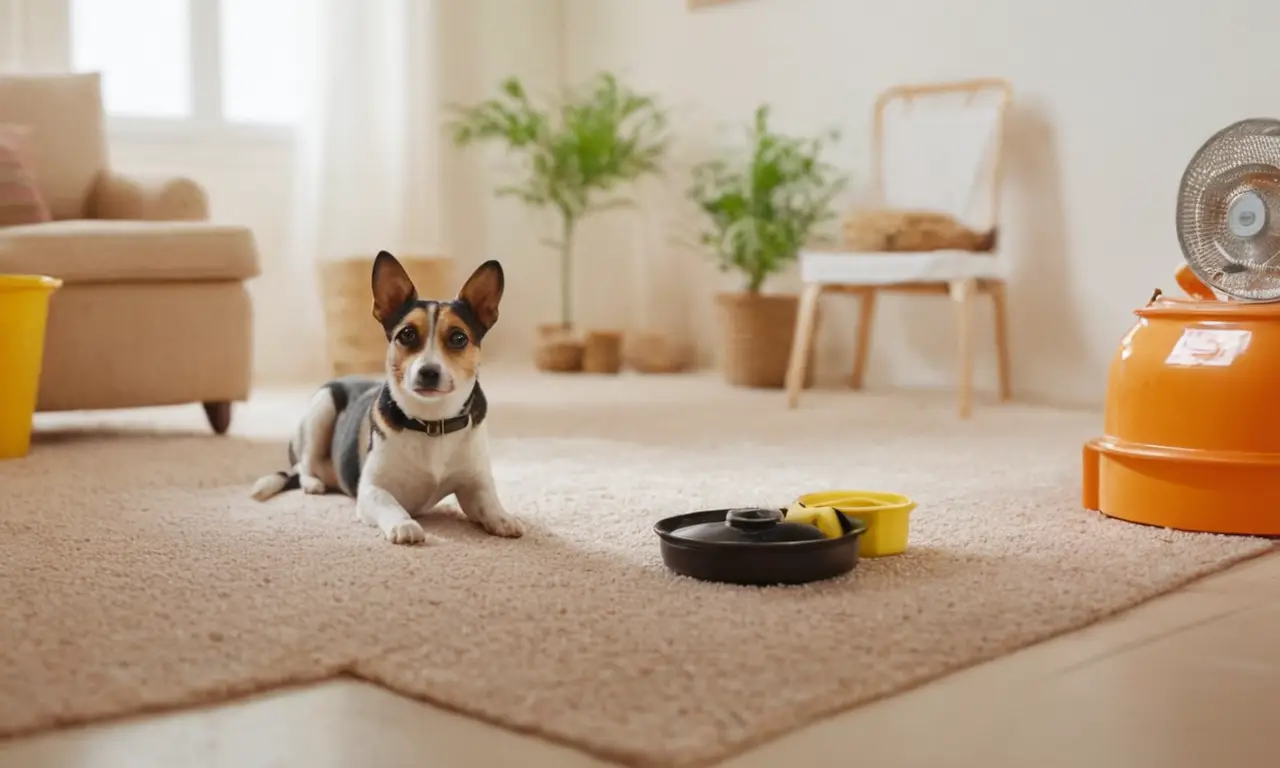
Dealing with dog urine odor can be a persistent challenge for pet owners. Whether it's from potty training accidents, marking behavior, or medical issues, the lingering smell can be unpleasant and even embarrassing. Fortunately, with the right knowledge and techniques, you can effectively eliminate the smell of dog urine and restore freshness to your home. This comprehensive guide will walk you through the causes, effective cleaning methods, and preventative measures to ensure a pee-free and odor-free environment.
𝙲𝚘𝚗𝚝𝚎𝚗𝚝
- Understanding the Source of Dog Urine Odor
- Immediate Action: Blotting and Initial Cleanup
- Effective Cleaning Solutions for Dog Urine Odor
- Deep Cleaning and Odor Elimination for Carpets and Upholstery
- Eliminating Dog Urine Odor from Hard Surfaces
- Dealing with Mattress Odors
- Tackling Odors in Fabrics and Clothing
- Preventative Measures: Minimizing Future Accidents
- Frequently Asked Questions (FAQ)
Understanding the Source of Dog Urine Odor
Before diving into solutions, it's crucial to understand why dog urine smells so strongly and persistently. Dog urine contains urea, which is broken down by bacteria into ammonia. This ammonia is what creates that distinctive, pungent odor. When urine soaks into porous surfaces like carpets, upholstery, or even concrete, the bacteria continue to work, leading to a more intense and lasting smell. Furthermore, if left untreated, the urine can crystallize, and these crystals react with moisture to release odor again, even long after you thought it was gone.
Several factors can contribute to your dog urinating in inappropriate places:
- Incomplete Potty Training: Young puppies or newly adopted dogs may still be learning house rules.
- Territorial Marking: Both male and female dogs can mark their territory, especially in new environments or when there are changes in the household.
- Anxiety or Stress: Separation anxiety, fear, or excitement can trigger urination.
- Medical Conditions: Urinary tract infections, kidney disease, diabetes, and cognitive dysfunction can lead to accidents.
- Age-Related Issues: Older dogs may lose bladder control.
- Excitement or Submission: Some dogs urinate when overly excited or feeling submissive.
Identifying the root cause is the first step in not only cleaning the mess but also preventing future accidents.
Immediate Action: Blotting and Initial Cleanup
The sooner you address a urine accident, the easier it will be to eliminate the odor. Acting quickly prevents the urine from penetrating deep into surfaces and drying.
- Blot, Don't Rub: Immediately grab absorbent paper towels or clean cloths and blot the affected area. Press down firmly to absorb as much liquid as possible. Avoid rubbing, as this can spread the urine and push it deeper into the fibers.
- Rinse (If Applicable): For hard, non-porous surfaces like tile or linoleum, you can rinse the area with plain water. Again, blot thoroughly to dry.
- Ventilate: Open windows and doors to allow fresh air to circulate. This helps to dissipate the odor naturally.
Effective Cleaning Solutions for Dog Urine Odor
Once you've blotted up the excess liquid, it's time to tackle the remaining odor-causing components. Here are several effective cleaning solutions:
1. Enzymatic Cleaners: The Gold Standard
Enzymatic cleaners are specifically designed to break down the organic molecules in pet urine, effectively eliminating the odor at its source. They contain active enzymes and beneficial bacteria that "eat" the urine crystals.
-
How to Use:
Cat Anal Gland Issues: How to Empty Them Safely- After blotting, liberally apply the enzymatic cleaner to the affected area, ensuring it saturates the spot and extends slightly beyond the visible stain.
- Allow the cleaner to air dry completely. This can take anywhere from a few hours to a couple of days, depending on the saturation and environmental conditions. It's during this drying process that the enzymes are actively working.
- Do not rinse the area after applying the enzymatic cleaner unless the product instructions specifically state to do so.
- You may need to repeat the application for stubborn or old stains.
-
Why They Work: Unlike general cleaners that might mask the odor, enzymatic cleaners chemically neutralize the odor-causing compounds, preventing them from reactivating with moisture.
2. Vinegar Solution: A Natural Deodorizer
White vinegar is an acidic cleaner that can help neutralize the alkaline ammonia in dog urine.
-
How to Use:
- Mix a solution of one part white vinegar to one part water in a spray bottle.
- After blotting, spray the solution generously onto the affected area.
- Let it sit for 5-10 minutes.
- Blot up the excess moisture with clean towels.
- Allow the area to air dry. The vinegar smell will dissipate as it dries, taking the urine odor with it.
-
Considerations: While effective, vinegar might not tackle the crystallized components of urine as thoroughly as enzymatic cleaners. It's a good option for fresh accidents or as a follow-up to an enzymatic cleaner.
3. Baking Soda: An Odor Absorber
Baking soda is a fantastic natural deodorizer that can absorb lingering smells.
-
How to Use:
- After cleaning the urine spot with a preferred solution (like vinegar or an enzymatic cleaner) and allowing it to dry partially, sprinkle a generous amount of baking soda over the affected area.
- Let the baking soda sit for several hours, or even overnight, to absorb any residual odors.
- Vacuum thoroughly to remove the baking soda.
-
Tip: You can also mix baking soda with a little bit of water to create a paste, apply it to the stain, let it dry, and then vacuum.
4. Hydrogen Peroxide: For Tough Stains and Disinfection
Hydrogen peroxide can be effective for disinfecting and lifting stains, but it should be used with caution on colored fabrics as it can cause bleaching. Always test in an inconspicuous area first.
How to Feed a Tarantula: A Comprehensive Guide-
How to Use:
- Mix 1/2 cup of 3% hydrogen peroxide with 1 teaspoon of mild dish soap and 1 teaspoon of baking soda.
- Apply the solution to the stain and let it sit for a few minutes.
- Gently blot the area with a clean cloth.
- Rinse thoroughly with clean water and blot dry.
-
Caution: Avoid using this solution on delicate fabrics or carpets with vibrant colors without extensive testing.
Deep Cleaning and Odor Elimination for Carpets and Upholstery
Carpets and upholstery are porous and can be particularly challenging to clean.
- Carpet Cleaning Machines: If you have a carpet cleaner, use a solution recommended for pet stains. For maximum effectiveness, consider adding an enzymatic cleaner to the water tank (follow manufacturer instructions for both the cleaner and the machine).
- Professional Cleaning: For severe or old stains, or if you're unsure about treating them yourself, consider hiring a professional carpet and upholstery cleaner who specializes in pet odor removal. They have access to industrial-grade equipment and cleaning solutions.
Eliminating Dog Urine Odor from Hard Surfaces
Hardwood floors, tile, linoleum, and concrete can also absorb urine and hold odors.
- Sealed Surfaces: For sealed hardwood, tile, or linoleum, a solution of water and a mild dish soap or vinegar can be effective. Ensure you dry the surface thoroughly afterward.
- Unsealed Surfaces: For unsealed concrete or grout, the odor can penetrate deeply. Enzymatic cleaners are often the most effective solution here. You may need multiple applications.
Dealing with Mattress Odors
Mattresses are notoriously difficult to clean due to their absorbent nature.
- Blot and Absorb: As always, blot up as much liquid as possible immediately.
- Enzymatic Cleaner: Apply an enzymatic cleaner liberally to the affected area, ensuring it penetrates. You might want to use a spray bottle or even a sponge to control the application.
- Air Dry Thoroughly: This is crucial. Open windows, use fans, and if possible, place the mattress in direct sunlight to aid in drying and odor dissipation.
- Baking Soda: Once the mattress is dry, sprinkle baking soda generously over the area and let it sit for several hours before vacuuming.
Tackling Odors in Fabrics and Clothing
If your dog has had an accident on blankets, bedding, or clothing:
- Pre-Treat: Before washing, pre-treat the items with an enzymatic cleaner designed for laundry.
- Wash: Wash the items in hot water (if the fabric allows) with your regular detergent and an added cup of white vinegar or baking soda.
- Air Dry: Whenever possible, air dry the items outdoors. The sun can help to naturally deodorize fabrics.
Preventative Measures: Minimizing Future Accidents
The best way to deal with dog urine odor is to prevent it from happening in the first place.
- Consistent Potty Training: Establish a regular potty schedule for your dog, especially puppies and new pets. Take them out frequently, especially after waking up, after meals, and before bedtime.
- Positive Reinforcement: Reward your dog generously when they eliminate in the appropriate place.
- Supervision: Keep a close eye on your dog, especially during the training phase. Look for signs that they need to go out (sniffing, circling, whining).
- Crate Training: Crate training can be an effective tool, as dogs are naturally reluctant to soil their sleeping area.
- Address Anxiety and Stress: If your dog suffers from anxiety, work with a veterinarian or a certified professional dog trainer to address the underlying issues.
- Regular Veterinary Check-ups: Rule out any medical conditions that might be causing incontinence or increased urination.
- Clean Up Accidents Promptly and Thoroughly: Ensure that any past accidents are completely neutralized, as residual odors can encourage repeat offenses.
- Limit Access: If you're struggling with marking behavior, you might need to temporarily restrict your dog's access to certain areas of the house until the behavior is under control.
Frequently Asked Questions (FAQ)
- Can I just use bleach? No. Bleach is a harsh chemical that can be harmful to pets and can actually set the stain and odor of urine, making it harder to remove. Its strong fumes are also unhealthy.
- How do I know if I've truly eliminated the odor? A blacklight (UV light) can help detect urine stains, even those you can't see or smell. If the stain glows under a blacklight, there's still urine residue present.
- How long does it take for enzymatic cleaners to work? The active process happens during the drying period, which can take 24-48 hours or even longer for deeply saturated areas. Patience is key.
- My dog keeps peeing in the same spot, even after cleaning. What can I do? This indicates that the odor hasn't been fully eliminated. You likely need to re-treat the area, possibly with multiple applications of an enzymatic cleaner. Also, consider if there's a behavioral reason for the repeated marking.
By understanding the causes of dog urine odor and employing the right cleaning strategies, you can successfully How to eliminate the smell of dog urine? and maintain a fresh, clean, and welcoming home for both you and your beloved canine companion. Consistency, patience, and the right products are your greatest allies in this battle against pet odor.
KONG Dog Toy Filling: Fun & Mental Stimulation
Cat Urinary Crystals: Types, Symptoms & Treatment Guide
Cat Weight: How Do I Know If My Cat Is Fat?
Encephalitis in Dogs: Symptoms, Causes & Treatment
Dog Cavities: Causes, Symptoms, and Treatment Options
Natural Flea Relief: Home Remedies for Fleas in Cats
Newborn Puppy Feeding Guide: From Birth to Weaning
Related posts