

How to Make Your Dog Behave Well: A Complete Guide
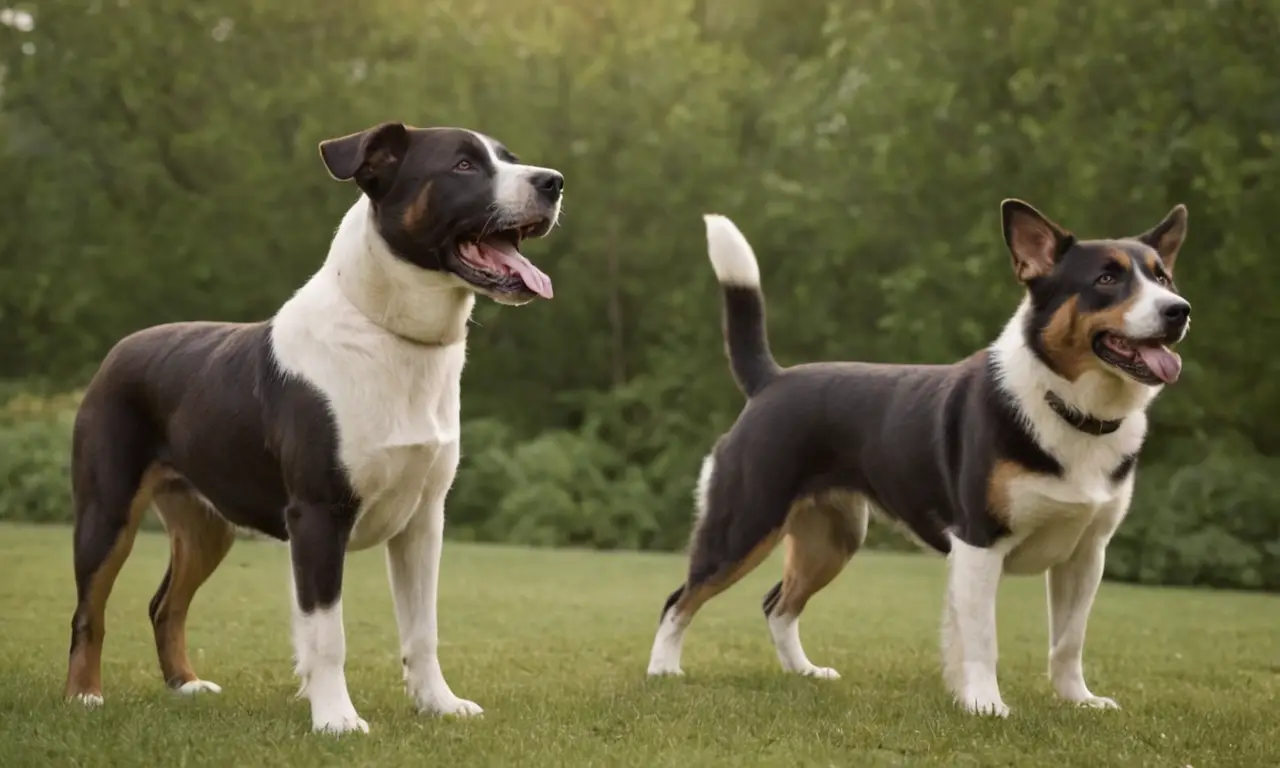
Mastering Canine Conduct: How to Make a Dog Behave Well?
Achieving a well-behaved dog is a journey that requires patience, consistency, and a deep understanding of canine behavior. It's not about forcing your dog into submission, but rather about building a strong bond based on clear communication, positive reinforcement, and meeting their fundamental needs. This comprehensive guide will delve into the essential principles and practical techniques to help you understand how to make a dog behave well, transforming potential behavioral challenges into harmonious companionship. From foundational training to addressing specific issues, we'll explore the multifaceted approach that leads to a happy, obedient, and well-adjusted canine family member.
𝙲𝚘𝚗𝚝𝚎𝚗𝚝
- The Foundation of Good Behavior: Understanding Your Dog
- Positive Reinforcement: The Key to Effective Training
- Core Obedience Commands: The Building Blocks of Good Behavior
- Addressing Common Behavioral Issues
- The Importance of Socialization and Ongoing Learning
- Patience, Consistency, and Love: The Ultimate Recipe
The Foundation of Good Behavior: Understanding Your Dog
Before diving into specific training techniques, it's crucial to understand the underlying factors that influence a dog's behavior. Dogs are not born with an innate understanding of human societal rules; they learn through experience, association, and instinct.
Canine Communication: Decoding Body Language
Dogs communicate extensively through body language. Learning to read these signals is paramount to understanding their needs, emotions, and intentions.
- Tail Wags: Not all tail wags indicate happiness. A high, fast wag can signal excitement, while a low, slow wag might indicate uncertainty or fear. A stiff, high wag can sometimes signal aggression.
- Ear Position: Forward-facing ears often suggest alertness and interest, while flattened ears can indicate fear or appeasement.
- Eye Contact: Direct, prolonged eye contact can be perceived as a challenge by some dogs. Averting gaze or "whale eye" (showing the whites of their eyes) often signifies stress or appeasement.
- Lip Licking and Yawning: These can be displacement behaviors, indicating stress or anxiety, not necessarily hunger or tiredness.
- Posture: A relaxed, loose posture suggests comfort. A stiff, upright posture, with a raised hackle, often indicates arousal or tension.
Breed Tendencies and Individual Personalities
While generalization can be helpful, remember that every dog is an individual. Breed predispositions can offer insights into potential behavioral traits (e.g., herding instincts in Border Collies, guarding tendencies in German Shepherds), but an individual dog's temperament, upbringing, and socialization play a more significant role.
Build Trust with Your Horse: A Comprehensive GuideMeeting Basic Needs: The Cornerstone of Well-Being
A dog whose basic needs are not met is far more likely to exhibit undesirable behaviors.
- Physical Exercise: Adequate daily exercise is non-negotiable. Boredom and pent-up energy are common culprits behind destructive chewing, excessive barking, and hyperactivity. The amount and type of exercise will vary by breed, age, and energy level.
- Mental Stimulation: Dogs need to use their brains. Puzzle toys, scent games, obedience training, and learning new tricks provide essential mental engagement, preventing boredom and fostering cognitive health.
- Socialization: Early and ongoing positive exposure to various people, other animals, sights, sounds, and environments is critical for developing a well-adjusted dog. Lack of socialization can lead to fear-based aggression, shyness, and reactivity.
- Nutrition and Health: A balanced diet is vital for overall health and can impact behavior. Underlying medical conditions can also manifest as behavioral changes, so regular veterinary check-ups are essential.
Positive Reinforcement: The Key to Effective Training
Positive reinforcement is the most effective and humane approach to teaching your dog desired behaviors. It focuses on rewarding good choices, making those behaviors more likely to be repeated.
Understanding Operant Conditioning
Operant conditioning is the basis of positive reinforcement. It involves four quadrants, but for effective dog training, we primarily focus on:
- Positive Reinforcement: Adding something desirable (e.g., a treat, praise, a toy) immediately after a desired behavior occurs, increasing the likelihood of that behavior happening again.
- Negative Punishment: Removing something desirable (e.g., attention, a toy) after an undesirable behavior occurs, decreasing the likelihood of that behavior happening again.
Essential Training Tools and Techniques
- Clicker Training: A clicker is a small device that makes a distinct "click" sound. When paired with a reward, the click becomes a marker for the precise moment the dog performs the correct behavior. This allows for clear and immediate communication.
- Charging the Clicker: Before using it for training, click the clicker and immediately give your dog a treat. Repeat this many times until your dog associates the click with something good.
- Marking and Rewarding: During training, click the moment your dog performs the desired action (e.g., sitting, looking at you) and then immediately give them a reward.
- High-Value Treats: Use small, highly palatable treats that your dog absolutely loves. These could be tiny pieces of cooked chicken, cheese, or commercial training treats.
- Verbal Praise: Enthusiastic and genuine verbal praise ("Good boy!", "Yes!") is a powerful reinforcer, especially when paired with other rewards.
- Play and Affection: For some dogs, a favorite toy or a good scratch behind the ears can be as rewarding as a treat.
- Timing is Crucial: The reward or punishment must occur within seconds of the behavior for the dog to make the correct association.
Building a Training Routine
- Short, Frequent Sessions: Dogs have short attention spans. Aim for 5-10 minute training sessions several times a day, rather than one long session.
- Consistency: Everyone in the household should use the same commands and reward system. Inconsistency confuses dogs and hinders progress.
- Gradual Progression: Start with easy commands in a quiet environment and gradually increase the difficulty and distractions as your dog progresses.
- End on a Positive Note: Always try to end a training session with a successful command and a reward, leaving your dog feeling accomplished.
Core Obedience Commands: The Building Blocks of Good Behavior
Mastering basic obedience commands not only helps with management but also strengthens your bond and provides mental stimulation for your dog.
Training Your Cat: Making Your Feline Friend Listen"Sit"
- Hold a treat near your dog's nose.
- Move the treat up and slightly over their head.
- As their head follows the treat, their rear end should naturally lower to the ground.
- The moment their rear touches the floor, click (if using a clicker) and say "Yes!" followed by the treat.
- Once they reliably sit, start saying the command "Sit" just before you move the treat.
- Fade the lure (treat in hand) gradually until they sit on command alone.
"Stay"
- Ask your dog to "Sit."
- Hold your hand out in a "stop" signal and say "Stay."
- Take one step back. If they remain in place, step back to them, reward, and say "Yes!" (or click).
- Gradually increase the distance and duration. If they break the stay, gently lead them back to their original position and try again with less distance or duration.
- Always return to your dog to reward them for staying; don't call them to you from a stay, as this can teach them to break the stay.
"Come" (Recall)
This is arguably the most important command for safety.
- Start in a quiet, enclosed area.
- Get down on their level, sound excited, and say "Come!" (or your chosen recall word) while backing away slightly.
- When they come to you, reward them enthusiastically with high-value treats and praise.
- Practice with a long leash in increasingly distracting environments.
- Never punish your dog if they eventually come to you, even if it took them a long time. This will only make them hesitant to come to you in the future.
"Down"
- Ask your dog to "Sit."
- Hold a treat near their nose.
- Lower the treat to the floor between their paws and then slowly drag it away from them.
- Your dog should follow the treat, lowering their body into a lying down position.
- Click and reward when they are fully down.
- Add the verbal cue "Down" once they understand the lure.
Addressing Common Behavioral Issues
Even with excellent training, some dogs may exhibit problematic behaviors. Understanding the root cause is key to finding a solution.
Excessive Barking
- Causes: Boredom, attention-seeking, alarm barking, anxiety, frustration, territoriality.
- Solutions:
- Identify the trigger: What sets your dog off?
- Ignore attention-seeking barking: If your dog barks for attention, do not look at, speak to, or touch them until they are quiet for a few seconds. Then reward the silence.
- Management for alarm barking: Block visual triggers (curtains), use white noise.
- Enrichment: Ensure adequate exercise and mental stimulation.
- Teach "Quiet": When they bark, let them bark a few times, then hold a treat to their nose. When they stop barking to sniff, say "Quiet" and give the treat.
Destructive Chewing
- Causes: Boredom, teething (puppies), anxiety, lack of appropriate chew toys.
- Solutions:
- Provide appropriate chew toys: Offer a variety of textures and durable options.
- Supervise and redirect: If you catch them chewing something inappropriate, redirect them to an appropriate chew toy.
- Increase exercise and mental stimulation: A tired dog is less likely to be a destructive dog.
- Bitter sprays: Can deter chewing on furniture legs or other forbidden items.
Jumping Up
- Causes: Excitement, seeking attention, greeting behavior.
- Solutions:
- Ignore the jumping: Turn away, cross your arms, or step back when they jump.
- Reward four on the floor: The moment all four paws are on the ground, give them attention or a treat.
- Teach an alternative behavior: Train them to "Sit" for greetings.
House Soiling
- Causes: Incomplete housetraining, medical issues, anxiety, marking.
- Solutions:
- Establish a routine: Frequent potty breaks, especially after waking up, eating, and playing.
- Supervise closely: Watch for signs like circling or sniffing intensely.
- Positive reinforcement: Lavishly praise and reward successful potty trips outdoors.
- Clean accidents thoroughly: Use enzymatic cleaners to eliminate odors that might attract them back to the same spot.
- Veterinary check-up: Rule out any underlying medical causes.
Separation Anxiety
- Causes: Fear of being alone, lack of confidence, insufficient desensitization to departures.
- Symptoms: Destructive behavior, excessive barking or howling, soiling the house when left alone.
- Solutions:
- Desensitization to departures: Practice leaving for short periods, gradually increasing the duration.
- Make departures and arrivals low-key: Avoid overly emotional greetings or goodbyes.
- Provide engaging toys and activities: Leave them with puzzle toys or safe chew items.
- Consider calming aids: Pheromone diffusers, calming music, or vet-prescribed medication in severe cases.
- Professional help: Consult a certified professional dog trainer or veterinary behaviorist.
The Importance of Socialization and Ongoing Learning
Socialization: A Lifelong Process
While early socialization (puppyhood) is critical, continued positive exposure throughout a dog's life helps maintain their adaptability and confidence.
- Dog Parks (with caution): Choose well-maintained parks with appropriate dog-to-dog play. Observe your dog's interactions.
- Structured Playdates: Arrange playdates with known, well-behaved dogs.
- Classes and Activities: Obedience classes, agility, or scent work can provide controlled social interactions.
Continuous Learning for You and Your Dog
The journey of how to make a dog behave well is ongoing. Dogs continue to learn throughout their lives, and so should you.
Puppy Playtime: Fun Ways on **How to Play with a Puppy**- Read Books and Articles: Stay informed about canine behavior and training methods.
- Watch Educational Videos: Visual aids can be incredibly helpful.
- Attend Workshops and Seminars: Learn from experienced professionals.
- Consult a Professional: Don't hesitate to seek help from a qualified dog trainer or behaviorist if you're facing significant challenges. They can provide personalized guidance and support.
Patience, Consistency, and Love: The Ultimate Recipe
Ultimately, the most effective way to ensure your dog behaves well is through a combination of patience, unwavering consistency, and genuine love. Understand that every dog learns at their own pace, and there will be setbacks. Celebrate the successes, learn from the challenges, and enjoy the incredible bond that develops through this shared journey of understanding and cooperation. By implementing the principles outlined in this guide, you are well on your way to enjoying a harmonious and well-behaved canine companion for years to come.
Cat Leash Training: Your Step-by-Step Guide

Mastering Dog Training: Defense & Attack Techniques

Dog Behavior Expert: When Your Pet Needs Guidance
Stop Garden Holes: Effective Ways to Prevent Dog Digging

Overcoming Canine Insecurity & Fear: A Comprehensive Guide

Stop Male Dog Fights: Expert Tips for Harmony
Related posts