

DIY Cat Toys: Easy Cardboard Crafts for Felines
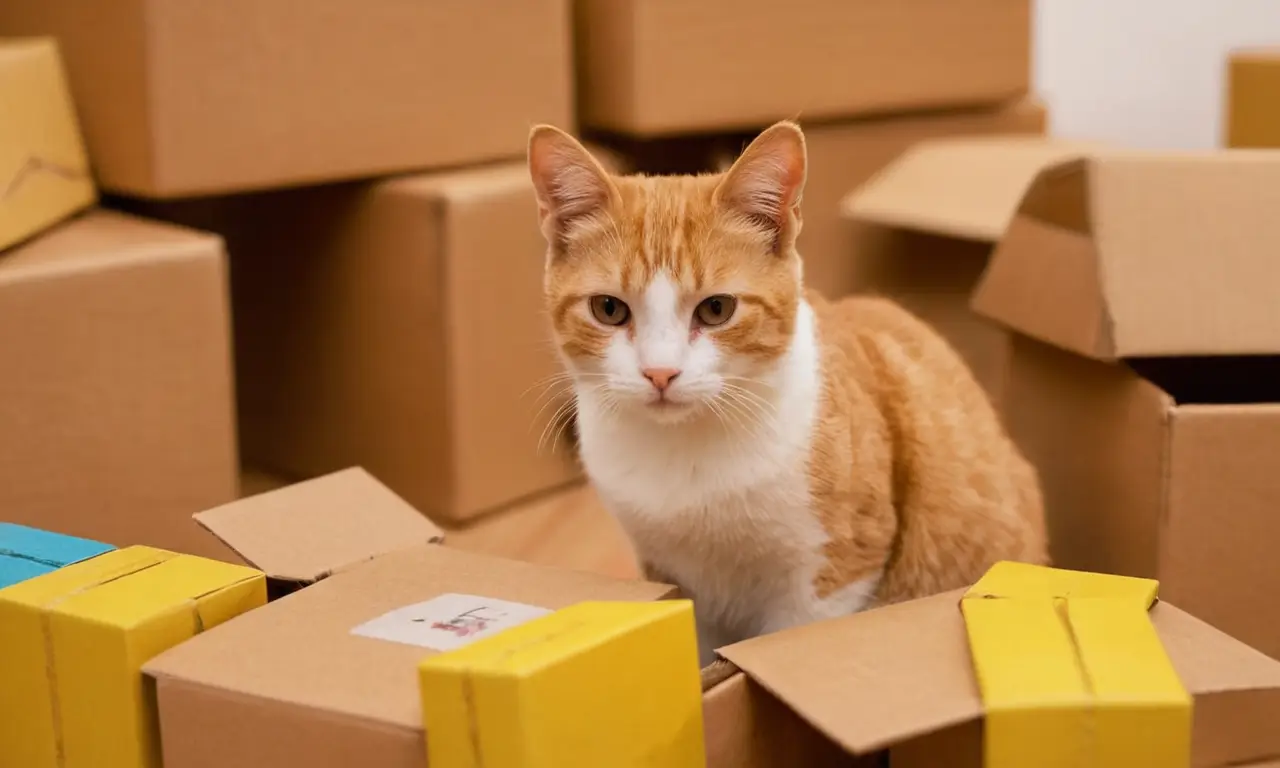
DIY Cat Toys: Easy Cardboard Crafts for Felines
Unleash your inner crafter and delight your feline friend with an array of engaging and budget-friendly toys. This comprehensive guide will walk you through How to make cat toys with cardboard?, transforming simple household waste into hours of entertainment for your beloved pet. From intricate tunnels to simple scratching posts, we'll explore various designs, materials, and techniques to cater to your cat's playful nature and your creative spirit. Get ready to discover the joy of upcycling and the purrfect satisfaction of seeing your cat pounce, chase, and explore their new cardboard creations.
Cats are naturally curious and playful creatures, and providing them with stimulating toys is crucial for their physical and mental well-being. While store-bought toys can be appealing, they can also be expensive and sometimes lack the charm of handmade items. Cardboard, a readily available and inexpensive material, offers a fantastic canvas for creating a variety of engaging toys that cater to a cat's natural instincts. This guide will delve into the art of How to make cat toys with cardboard?, focusing on safety, simplicity, and maximizing feline fun.
Why Cardboard? The Humble Hero of Cat Toys
Cardboard is an unsung hero in the world of pet enrichment for several compelling reasons:
- Affordability and Accessibility: Cardboard boxes and tubes are often free, a byproduct of our consumer habits. This makes it an incredibly budget-friendly option for creating a plethora of toys.
- Safety: When prepared correctly (ensuring no staples, excessive tape, or toxic inks), cardboard is a safe material for cats to interact with. They can chew, scratch, and pounce on it without significant risk.
- Texture and Sound: The crinkly nature of some cardboard and the satisfying rustle it makes when played with appeal to a cat's auditory and tactile senses.
- Moldability and Versatility: Cardboard can be cut, folded, glued, and assembled into virtually any shape, allowing for endless customization and creativity.
- Sustainability: Repurposing cardboard reduces waste and contributes to a more environmentally conscious approach to pet ownership.
Safety First: Preparing Your Cardboard for Play
Before you embark on your cardboard crafting adventure, it's essential to prioritize safety. Follow these guidelines to ensure your feline friend's playtime is both fun and secure:
- Remove All Staples and Tape: These can be a choking hazard or cause internal injuries if ingested.
- Inspect for Sharp Edges: Sand down any rough or sharp edges after cutting to prevent cuts.
- Avoid Toxic Inks and Glues: Opt for plain cardboard boxes or tubes. If you need to glue pieces together, use non-toxic, water-based craft glue. Allow ample drying time to ensure no fumes remain.
- Supervise Initial Play: Especially with new toys, supervise your cat's interaction to ensure they aren't ingesting large pieces or getting stuck.
- Regular Inspection: Periodically check toys for damage and discard any that are falling apart or have become a safety concern.
Essential Tools and Materials for Cardboard Cat Toy Creation
Gathering a few basic supplies will make your cardboard crafting experience smoother and more enjoyable:
- Cardboard Boxes: A variety of sizes, from small delivery boxes to larger appliance boxes.
- Cardboard Tubes: Toilet paper rolls, paper towel rolls, and mailing tubes are excellent for many projects.
- Craft Knife or Box Cutter: For precise cutting. Always use a cutting mat underneath.
- Scissors: For smaller cuts and intricate details.
- Non-Toxic Craft Glue (PVA glue): For securing parts.
- Ruler or Measuring Tape: For accuracy.
- Pencil or Marker: For marking cutting lines.
- Optional:
- Sandpaper: To smooth rough edges.
- Catnip: To entice your cat.
- Small bells or crinkle material: For added auditory stimulation.
- Fabric scraps: For added texture or comfort.
Project 1: The Classic Cardboard Box Fort/Tunnel
This is a simple yet incredibly effective toy that taps into a cat's love for enclosed spaces and exploration.
How to make cat toys with cardboard? for a fort or tunnel:
Homemade Breeding Paste for Mandarin Diamonds: A Guide- Choose Your Box(es): Select a box large enough for your cat to comfortably move around in. For a tunnel, connect multiple boxes or use longer tubes.
- Create Entrances and Exits: Using a craft knife, carefully cut one or more holes in the sides of the box. Ensure the openings are large enough for your cat to pass through easily. You can make them circular, square, or even arched.
- Connect for a Tunnel: If using multiple boxes, cut matching holes in the sides that will be joined together. Then, use non-toxic glue or strong packing tape (ensure it's on the outside and not accessible to the cat) to secure them. You can also connect cardboard tubes to create longer tunnels.
- Add Ventilation (Optional): For larger forts, consider cutting a few small ventilation holes higher up on the sides.
- Decorate (Optional): Once assembled, you can let your cat enjoy the raw cardboard, or you can lightly decorate the outside with non-toxic markers or attach fabric scraps. Avoid anything that could be easily chewed off and ingested.
- Entice with Catnip: Sprinkle a little catnip inside to encourage exploration.
Variations:
- Multi-Level Fort: Stack smaller boxes on top of each other, creating openings between levels.
- "Scratchy" Interior: Glue strips of corrugated cardboard to the inside walls for scratching opportunities.
Project 2: The Cardboard Tube Treat Dispenser
Engage your cat's problem-solving skills with a treat dispenser that rewards their efforts.
How to make cat toys with cardboard? that dispenses treats:
- Gather Tubes: You'll need a few cardboard tubes (toilet paper or paper towel rolls).
- Prepare the Base: Take a slightly larger piece of cardboard and fold up the edges to create a shallow tray. Secure the corners with glue.
- Create Holes: In each cardboard tube, carefully cut a few small holes, just large enough for a kibble or a small treat to fall out.
- Assemble: Place the tubes upright in the cardboard tray. You can glue them to the base for stability.
- Fill and Play: Fill the tubes with your cat's favorite kibble or small treats. When your cat bats at the tubes or knocks them around, some treats will fall out.
Variations:
- Labyrinth Dispenser: Cut a larger cardboard box and glue several tubes inside at different angles, creating a maze for the treats to navigate.
- Weighted Base: Add some weight (like a few smooth stones) to the bottom of the treat tray to make it more stable.
Project 3: The Cardboard Scratcher
Protect your furniture and give your cat a dedicated scratching surface.
How to make cat toys with cardboard? that are scratchers:
- Cut Corrugated Strips: Take a large piece of sturdy cardboard and cut it into numerous long, narrow strips of corrugated cardboard. Aim for strips about 2-3 inches wide.
- Roll or Stack:
- Rolled Scratcher: Tightly roll one strip into a spiral. Continue adding more strips, gluing them to the previous one as you go, forming a flat, circular scratching pad.
- Stacked Scratcher: Stack the strips vertically or horizontally inside a shallow cardboard box or on a flat piece of cardboard. Glue them securely together.
- Secure the Edges: Once you have your desired shape, ensure all edges are glued down firmly. You can create a border with a thicker piece of cardboard for added durability.
- Add Catnip: Sprinkle generously with catnip to attract your cat.
Variations:
DIY Dog Conditioner: Natural & Easy Homemade Recipes- Wall Scratcher: Attach a flat, sturdy piece of cardboard to a wall at an angle your cat can comfortably scratch.
- Angled Scratcher: Cut a piece of cardboard into a triangle shape or an angled ramp for a different scratching experience.
Project 4: The Cardboard Pounce Pad
A simple yet effective toy that encourages stalking and pouncing.
How to make cat toys with cardboard? for pouncing:
- Cut a Base: Take a sturdy piece of cardboard and cut it into a desired shape, such as a square or a circle.
- Create "Prey" Holes: Cut several small holes of varying sizes in the base. These holes should be just large enough for you to push a small toy, a crumpled piece of paper, or a treat through.
- Add a "Flap" (Optional): For a more challenging toy, you can cut a flap in the cardboard that lifts up, revealing a space to hide a treat.
- Reinforce: If the cardboard is thin, glue a second layer underneath for added durability.
- Pop Out the "Prey": Hide treats or small toys just underneath the surface. Your cat will have to use their paws to fish them out.
Variations:
- Feather Attachment: Glue a few craft feathers to the edges of the holes to entice your cat to reach in.
- Sound Maker: Place a small, crinkly material or a very small bell inside the hidden compartment for added auditory stimulation.
Project 5: The Cardboard Maze
Challenge your cat's intellect with a stimulating maze.
How to make cat toys with cardboard? that are mazes:
- Choose a Sturdy Box: Select a medium-sized cardboard box.
- Cut Internal Walls: Using strips of cardboard, create a maze-like structure inside the box. You can glue these dividers to the bottom of the box. Ensure there are pathways for your cat to navigate.
- Create Entrances: Cut at least one entrance into the side of the box.
- Add a Treat Destination: At the end of one of the maze paths, create a small compartment where you can place a treat.
- Secure Everything: Ensure all glued parts are thoroughly dry and secure.
Variations:
- Multiple Entrances: Create several openings to allow for different entry points.
- Different Heights: Use pieces of cardboard to create varying levels within the maze.
Enhancing Your Cardboard Creations: Adding Extra Fun
Once you've mastered the basic designs, consider these additions to elevate your cat's cardboard toy experience:
How to Make Your Cat More Affectionate: Build Bonds- Catnip Infusion: Sprinkle dried catnip liberally inside or on the surfaces of the toys. Its scent is irresistible to most cats and will significantly increase their engagement.
- Crinkle Material: For a satisfying rustle, consider inserting or gluing small pieces of crinkly cellophane (ensure it's securely attached and not easily ingested) or even a small, clean plastic bag.
- Feathers and Danglers: Securely attach feathers or small fabric strips to the edges or openings using non-toxic glue. These can provide a tempting target for batting and chasing.
- Textural Variety: Glue on small scraps of different fabrics (like felt or corduroy) or even a bit of rough twine to offer varied textures for scratching and sensory exploration. Always ensure these are very securely attached.
- Interactive Elements: Incorporate small, lightweight balls that can be rolled or batted around within the toy structure.
Maintaining and Replacing Cardboard Toys
Even the best-made cardboard toys will eventually show signs of wear and tear. Regular inspection is crucial for your cat's safety.
- Check for Damage: Look for loose pieces, frayed edges, or large sections that have been chewed off.
- Discard When Necessary: If a toy is significantly damaged, has become soggy, or poses a potential hazard, it's time to replace it.
- Hygiene: While cardboard isn't easily cleaned, you can wipe down the exterior with a slightly damp cloth if it becomes soiled. However, due to its porous nature, deep cleaning isn't practical.
- Rotation: Rotate toys regularly to keep your cat engaged and prevent boredom. Store less frequently used toys and reintroduce them after a break.
The Joy of Upcycling and Bonding
Creating How to make cat toys with cardboard? is more than just a craft project; it's an act of love and a fantastic way to bond with your feline companion. You'll be reducing waste, saving money, and providing your cat with unique, stimulating toys that are tailored to their preferences. The satisfaction of watching your cat enthusiastically engage with a toy you made with your own hands is truly rewarding. So, gather your cardboard, unleash your creativity, and get ready for a purrfectly delightful playtime with your beloved cat!
Cat Urinary Crystals: Types, Symptoms & Treatment Guide

Cat Weight: How Do I Know If My Cat Is Fat?

Encephalitis in Dogs: Symptoms, Causes & Treatment

Dog Cavities: Causes, Symptoms, and Treatment Options

Natural Flea Relief: Home Remedies for Fleas in Cats

Newborn Puppy Feeding Guide: From Birth to Weaning
Related posts