

DIY Dog Treats: **How to Make Homemade Snacks for Dogs?**
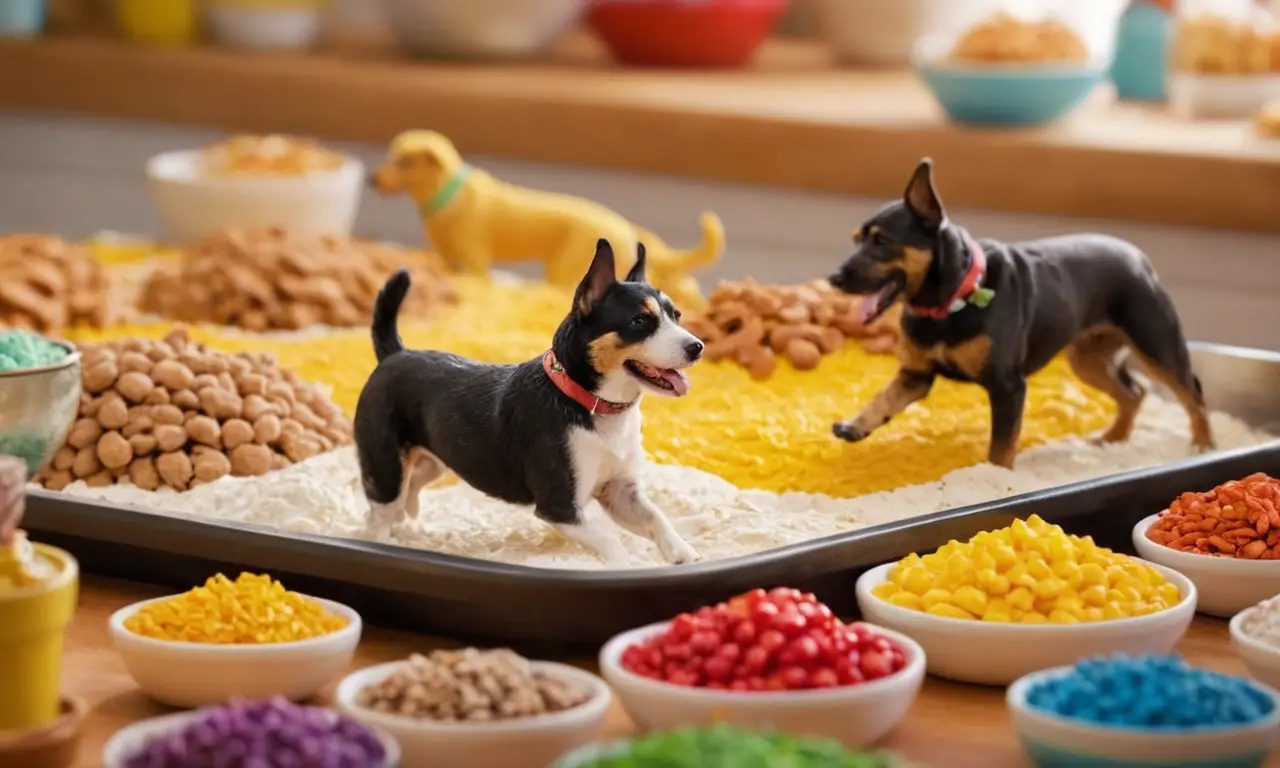
How to Make Homemade Snacks for Dogs?
Creating homemade treats for your canine companion is a rewarding and healthy endeavor. This comprehensive guide will walk you through the essentials of how to make homemade snacks for dogs?, covering everything from choosing safe ingredients to simple yet delicious recipes. Beyond the joy of baking, homemade treats offer superior nutritional value, allow for complete control over ingredients, and are a fantastic way to cater to specific dietary needs or allergies your dog might have. We’ll delve into the benefits, essential equipment, ingredient considerations, and provide a variety of recipes suitable for different tastes and dietary requirements, ensuring your furry friend enjoys the healthiest and tastiest snacks imaginable.
𝙲𝚘𝚗𝚝𝚎𝚗𝚝
- The Benefits of Homemade Dog Snacks
- Essential Equipment for Homemade Dog Treats
- Understanding Safe and Unsafe Ingredients
- Basic Dog Treat Recipes to Get You Started
- Tips for Success When How to Make Homemade Snacks for Dogs?
- Catering to Special Dietary Needs
- The Importance of Veterinary Consultation
The Benefits of Homemade Dog Snacks
Opting for homemade treats offers a multitude of advantages over commercially produced options.
- Nutritional Control: You dictate precisely what goes into your dog's treats. This is particularly beneficial for dogs with sensitive stomachs, allergies, or specific health conditions. You can avoid artificial colors, flavors, preservatives, and excessive fillers that are often found in store-bought varieties.
- Cost-Effectiveness: While initial investment in ingredients might seem like a factor, making treats at home is generally more economical in the long run, especially if you have a discerning or frequent snacker on your hands.
- Allergy Management: Identifying and eliminating allergens is much simpler when you're in charge of the ingredients. This is crucial for dogs suffering from common allergies to grains, dairy, or certain proteins.
- Customization: You can tailor treats to your dog's preferences. Do they love peanut butter? Are they a fan of sweet potato? You can incorporate their favorite flavors and textures.
- Bonding Experience: The process of preparing treats for your dog can be a fun and engaging activity, further strengthening your bond.
- Freshness and Quality: Homemade treats are made with fresh ingredients, ensuring optimal taste and nutritional quality.
Essential Equipment for Homemade Dog Treats
You don't need a professional bakery to whip up delicious dog treats. Here's a list of basic equipment that will be helpful:
- Mixing Bowls: Various sizes for combining ingredients.
- Measuring Cups and Spoons: Precision is key for consistent results.
- Baking Sheets: Standard baking sheets are perfect for most recipes.
- Parchment Paper or Silicone Baking Mats: Prevents sticking and makes cleanup easier.
- Rolling Pin: For flattening dough to an even thickness.
- Cookie Cutters (Optional): Fun shapes add a special touch, but any shape is appreciated by your dog.
- Food Processor or Blender (Optional): Useful for pureeing fruits, vegetables, or grinding ingredients.
- Oven: The cornerstone of any baking endeavor.
- Storage Containers: Airtight containers are essential for keeping treats fresh.
Understanding Safe and Unsafe Ingredients
When considering how to make homemade snacks for dogs?, ingredient selection is paramount. Not all human foods are safe for dogs. Always prioritize dog-safe ingredients.
Dog-Safe Ingredients:
- Fruits: Apples (seeds and core removed), bananas, blueberries, strawberries, cranberries, watermelon (seeds and rind removed), cantaloupe (seeds removed).
- Vegetables: Sweet potatoes, pumpkin (plain, canned pumpkin, not pie filling), carrots, green beans, peas, spinach, zucchini.
- Proteins: Lean meats (cooked chicken, turkey, beef, lamb), eggs, plain yogurt (unsweetened, no artificial sweeteners like xylitol), peanut butter (xylitol-free!).
- Grains and Flours: Whole wheat flour, oat flour, rice flour, coconut flour, gluten-free flour blends.
- Healthy Fats: Coconut oil, olive oil (in moderation).
- Herbs: Parsley (good for breath), mint.
Ingredients to Avoid:
- Xylitol: An artificial sweetener found in many sugar-free products, including some peanut butters. It is highly toxic to dogs and can be fatal.
- Chocolate: Contains theobromine, which is toxic to dogs.
- Onions and Garlic: Can damage a dog's red blood cells, leading to anemia.
- Grapes and Raisins: Can cause kidney failure in some dogs.
- Avocado: Contains persin, which can cause vomiting and diarrhea.
- Macadamia Nuts: Can cause weakness, tremors, and vomiting.
- Alcohol and Caffeine: Highly toxic.
- Excessive Salt and Sugar: Detrimental to a dog's health.
- Cooked Bones: Can splinter and cause internal damage.
Always research any ingredient you are unsure about before feeding it to your dog. When in doubt, consult your veterinarian.
Basic Dog Treat Recipes to Get You Started
Let's dive into some simple and delicious recipes that answer the question of how to make homemade snacks for dogs?.
Recipe 1: Peanut Butter and Banana Biscuits
These are a classic for a reason – most dogs go wild for them!
Easy Cat Treat Recipes: Homemade Delights for Your FelineIngredients:
- 2 cups whole wheat flour (or oat flour for a grain-free option)
- 1 ripe banana, mashed
- 1/2 cup xylitol-free peanut butter
- 1/4 cup unsweetened applesauce
- 1 egg
Instructions:
- Preheat your oven to 350°F (175°C). Line a baking sheet with parchment paper.
- In a large bowl, combine the mashed banana, peanut butter, applesauce, and egg. Mix well until thoroughly combined.
- Gradually add the flour, mixing until a firm dough forms. You may need to adjust the flour amount slightly depending on the moisture content of your banana and peanut butter.
- Turn the dough out onto a lightly floured surface and knead it a few times until smooth.
- Roll the dough out to about 1/4 inch thickness.
- Cut out shapes using cookie cutters or simply cut into squares or strips.
- Place the treats on the prepared baking sheet.
- Bake for 20-25 minutes, or until the edges are golden brown and the treats are firm.
- Let the treats cool completely on a wire rack before serving or storing.
Recipe 2: Sweet Potato and Carrot Chews
These are packed with vitamins and fiber, making them a healthy choice.
Ingredients:
- 1 cup cooked and mashed sweet potato
- 1/2 cup cooked and grated carrot
- 1/2 cup oat flour (or whole wheat flour)
- 1/4 cup unsweetened plain yogurt (optional, for binding)
Instructions:
- Preheat your oven to 300°F (150°C). Line a baking sheet with parchment paper.
- In a bowl, combine the mashed sweet potato and grated carrot.
- Stir in the oat flour and yogurt (if using) until a thick, cohesive dough forms.
- Roll the dough out onto a lightly floured surface to about 1/4 inch thickness.
- Cut into desired shapes (rectangles or strips work well for chewy treats).
- Place the treats on the prepared baking sheet.
- Bake for 30-45 minutes, or until the treats are firm and dry to the touch. The baking time will vary depending on thickness.
- Turn off the oven and leave the treats inside with the oven door slightly ajar for an additional hour or two to ensure they are completely dried out and have a longer shelf life.
- Allow to cool completely before storing.
Recipe 3: Liver Powder Training Treats
These tiny, flavorful bites are perfect for rewarding good behavior during training sessions.
Ingredients:
Cats Health Gourmet NNFatcane: Composition, Reviews & Price- 1 cup whole wheat flour (or gluten-free blend)
- 1/4 cup dried liver powder (available at pet stores or online)
- 1/4 cup water (or low-sodium chicken broth)
- 1 egg
Instructions:
- Preheat your oven to 350°F (175°C). Line a baking sheet with parchment paper.
- In a bowl, whisk together the flour and liver powder.
- In a separate bowl, whisk together the egg and water (or broth).
- Pour the wet ingredients into the dry ingredients and mix until a stiff dough forms.
- Turn the dough out onto a lightly floured surface and roll it very thin (about 1/8 inch).
- Cut into very small shapes, such as tiny circles or squares.
- Place the treats on the prepared baking sheet.
- Bake for 10-15 minutes, or until crisp and dry.
- Let cool completely. These treats are shelf-stable for a few weeks if stored in an airtight container.
Tips for Success When How to Make Homemade Snacks for Dogs?
- Start Simple: If you're new to baking for your dog, begin with easy recipes that require minimal ingredients and steps.
- Consistency is Key: For baked treats, aim for consistent thickness in your dough so they bake evenly.
- Cool Completely: Always allow treats to cool fully before offering them to your dog or storing them. This prevents moisture buildup and potential spoilage.
- Storage: Store homemade treats in an airtight container in the refrigerator for longer shelf life, especially if they contain fresh ingredients like yogurt or meat. Many dry treats can be stored at room temperature for a week or two. If you bake in larger batches, consider freezing some portions.
- Portion Control: Even healthy homemade treats should be given in moderation as part of a balanced diet.
- Observe Your Dog: Pay attention to how your dog reacts to new treats. If you notice any digestive upset, discontinue use and consult your veterinarian.
- Get Creative: Once you're comfortable with basic recipes, don't be afraid to experiment with different safe ingredients. Add a pinch of cinnamon (dog-safe varieties!), or finely chopped parsley for a breath-freshening boost.
Catering to Special Dietary Needs
When it comes to how to make homemade snacks for dogs?, considering special dietary needs is crucial.
Grain-Free Options:
Many dogs can benefit from grain-free diets due to sensitivities or allergies. Replace wheat flour with:
- Oat flour: Ensure it's certified gluten-free if your dog has celiac disease or severe gluten intolerance.
- Coconut flour: Absorbs more moisture, so you may need to adjust liquid content.
- Almond flour: Use in moderation as it's higher in fat.
- Rice flour: A good all-purpose grain-free option.
Hypoallergenic Treats:
For dogs with multiple allergies, focus on a limited number of simple ingredients. Common hypoallergenic bases include:
- Sweet potato and a single protein: Like turkey or salmon.
- Pumpkin and a single protein: Such as chicken.
- Single-ingredient treats: Dehydrated lean meats or simple fruit/vegetable chews.
Low-Calorie Treats:
If your dog needs to watch their weight, opt for recipes using low-calorie fruits and vegetables like:
- Berries
- Green beans
- Carrots
- Pumpkin
Treats for Sensitive Stomachs:
- Plain pumpkin: Excellent for digestion.
- Cooked sweet potato: Gentle on the stomach.
- Lean, boiled chicken: Easy to digest.
- Rice: Plain, cooked white rice can sometimes help settle an upset stomach.
The Importance of Veterinary Consultation
Before making significant changes to your dog's diet or introducing new types of treats, especially if your dog has underlying health conditions, it's always wise to consult with your veterinarian. They can offer personalized advice on safe ingredients, appropriate treat frequencies, and can help you navigate any specific dietary requirements your dog may have.
In conclusion, learning how to make homemade snacks for dogs? is a fantastic way to provide your beloved pet with nutritious, delicious, and safe treats. By understanding safe ingredients, utilizing basic kitchen equipment, and following simple recipes, you can create a world of healthy and happy snacking for your furry family member, fostering a stronger bond and ensuring their well-being with every bite.
Celiac or Gluten Intolerant Dogs: Causes, Symptoms & Diet
Festive Feasts: Top Christmas Recipes for Dogs
Dog Kidney Failure Diet: Homemade Solutions & Care Tips
Choosing the Best Dog Food: A Comprehensive Guide
Cat Hepatitis Diet: Essential Foods for Your Feline Friend
Understanding the Composition of Cat Food for Health
Obese Dog Diet: Vet-Approved Weight Loss Strategies
Related posts