
Rabbit Playtime: Fun Ways How to Play with a Rabbit?
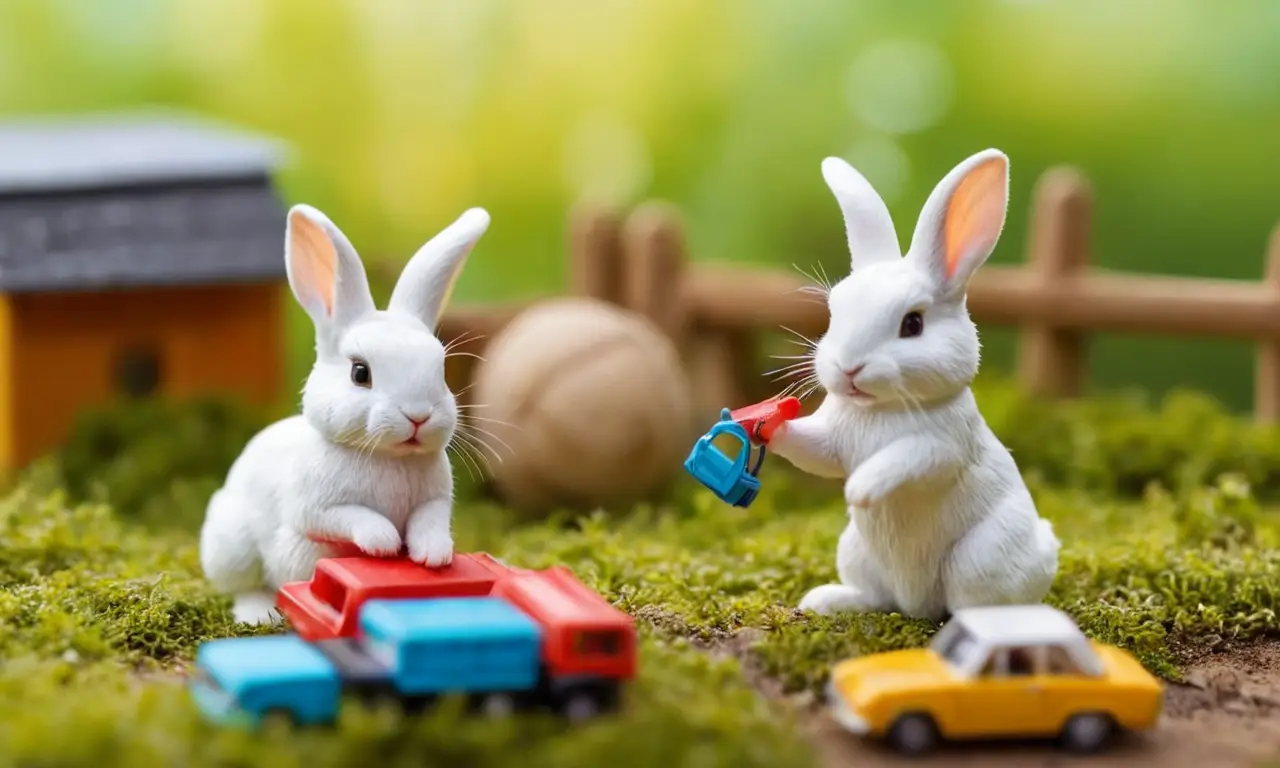
The Joyful World of Rabbit Playtime: Discovering How to Play with a Rabbit
Engaging in playtime with your rabbit is more than just a fun activity; it's a crucial aspect of their well-being, strengthening your bond and providing essential mental and physical stimulation. Understanding how to play with a rabbit? involves recognizing their natural behaviors, their unique personalities, and their need for interaction. This guide will delve deep into the various ways you can enrich your rabbit's life through play, covering everything from simple interactions to more complex enrichment activities. By the end, you’ll have a comprehensive understanding of how to foster a happy, healthy, and well-adjusted bunny companion.
𝙲𝚘𝚗𝚝𝚎𝚗𝚝
- Understanding Rabbit Play Behavior: More Than Just Hopping
- Creating a Rabbit-Friendly Play Environment
- Interactive Playtime: Building Bonds and Trust
- Encouraging Natural Behaviors Through Play: Instinctual Fulfillment
- Understanding Rabbit Body Language During Play
- Beyond Toys: The Importance of Social Interaction
- What Not to Do When Playing with Your Rabbit
- In summary: A Rewarding Journey of Play and Connection
Understanding Rabbit Play Behavior: More Than Just Hopping
Rabbits, often perceived as shy or reclusive, are actually quite playful and intelligent creatures. Their play can manifest in various ways, and recognizing these signs is the first step to understanding how to play with a rabbit? effectively.
Binkies: The Ultimate Expression of Joy
The most iconic rabbit play behavior is the "binky." This is a sudden, energetic jump into the air, often accompanied by twists of the head and body. A binky signifies pure happiness, excitement, and well-being. If your rabbit binkies around you, it's a clear sign they feel safe, loved, and are thoroughly enjoying themselves.
Zoomies: Expressing Freedom and Energy
Similar to "zoomies" in dogs, rabbits will sometimes dash around at high speeds, often in a zig-zag pattern. This is another indicator of excitement and a release of pent-up energy. It’s often observed after a good meal, a grooming session, or when they are let out to exercise.
Chinning: Marking Territory and Affection
While not strictly play, "chinning" involves a rabbit rubbing their chin against objects or even you. They have scent glands on their chin, and this is how they mark their territory, signifying ownership and comfort. When your rabbit chins you, it's a sign of affection and that they consider you part of their safe space.
Digging and Burrowing: Instinctual Play
Rabbits are natural diggers and burrowers. Even house rabbits retain these instincts. While you can't let them dig up your carpet, providing safe alternatives for this behavior is essential for their mental stimulation and is a key component of how to play with a rabbit? in a way that respects their nature.
Chewing and Tossing: Exploratory Play
Rabbits explore the world with their mouths. They will often chew on toys, cardboard, and sometimes even furniture (which is why rabbit-proofing is essential!). Tossing lightweight objects, like cardboard tubes or small balls, is also a common play behavior.
Creating a Rabbit-Friendly Play Environment
Before you can effectively play with your rabbit, it's crucial to ensure their environment is safe and stimulating. A safe space encourages exploration and reduces anxiety, making playtime more enjoyable for both of you.
Rabbit-Proofing Your Home: The Foundation of Safe Play
This is non-negotiable. Rabbits chew on everything! This includes electrical cords (extremely dangerous), baseboards, furniture legs, and anything else within their reach.
* Cover electrical cords: Use cord protectors or run them behind furniture.
* Protect furniture: Use chew toys or offer deterrents (though natural wood is often preferred).
* Remove toxic plants: Many common houseplants are poisonous to rabbits.
* Secure small objects: Avoid leaving anything small that could be ingested.
Providing a Safe Haven: Their Own Space
Every rabbit needs a secure space where they can retreat and feel safe. This could be a large cage, a playpen, or a designated room. This space should be equipped with:
* Litter box: Essential for hygiene and training.
* Hay rack: Unlimited fresh hay is vital for their diet and digestion.
* Water source: A heavy ceramic bowl or a sipper bottle.
* Comfortable bedding: Soft hay or safe, absorbent bedding materials.
Enrichment Within Their Space: Constant Stimulation
Even within their safe haven, rabbits need things to interact with. This provides them with opportunities for independent play and exploration, contributing to your understanding of how to play with a rabbit? even when you’re not directly interacting.
* Chew toys: Untreated wood blocks, willow balls, cardboard tubes, and seagrass mats.
* Tunnels and hideouts: Cardboard boxes with holes cut out, commercial pet tunnels, or even fabric hideouts.
* Foraging toys: Balls or containers with holes where you can hide treats or pellets, encouraging them to work for their food.
Interactive Playtime: Building Bonds and Trust
Direct interaction is where the magic of bonding truly happens. Understanding how to play with a rabbit? through interactive sessions will lead to a deeper connection and a happier pet.
Gentle Interaction: Respecting Their Nature
Rabbits are prey animals, so sudden movements or loud noises can startle them. Always approach them calmly and speak in a soft voice. Allow them to approach you first. Don't force interactions.
The Art of Gentle Petting
Once your rabbit is comfortable with your presence, you can start gentle petting. Most rabbits enjoy being stroked on their forehead, cheeks, and along their back. Avoid touching their feet, tail, or underside, as this can make them feel vulnerable. Pay attention to their body language; if they flatten their ears or tense up, they might be uncomfortable.
Introducing Toys for Shared Play
Many toys designed for independent play can also be used for interactive sessions.
- Cardboard boxes and tunnels: You can sit inside a tunnel with them or encourage them to run through boxes you've arranged.
- Treat-dispensing toys: Roll a treat ball towards them or hide a treat in a puzzle toy for them to discover.
- Lightweight objects: Gently toss a soft ball or a small cardboard tube for them to chase or bat around.
Dignity and Respect: The Key to Trust
Remember, your rabbit is an individual with their own preferences. Some rabbits are naturally more cuddly and interactive than others. Never force your rabbit to play or be held if they are showing signs of distress. Building trust is paramount to successful playtime.
Encouraging Natural Behaviors Through Play: Instinctual Fulfillment
How to play with a rabbit? also involves catering to their innate instincts. Providing outlets for natural behaviors is a form of enrichment that prevents boredom and stress.
Digging and Burrowing Solutions
- Digging boxes: Fill a large, shallow plastic bin with rabbit-safe materials like shredded paper, hay, or safe soil (ensure it's free of pesticides and fertilizers). Hide treats or toys within the substrate for added fun.
- Cardboard boxes and tunnels: As mentioned before, these provide excellent opportunities for burrowing and exploring. Arrange them in different configurations to keep things interesting.
Chewing and Shredding Opportunities
- Untreated wood toys: Blocks of apple, willow, or pine wood are safe and satisfying for chewing.
- Cardboard: Offer toilet paper rolls, paper towel rolls, or flattened cardboard boxes. You can stuff them with hay or safe treats.
- Seagrass mats and tunnels: These provide a natural and enjoyable chewing experience.
Foraging and Puzzle Toys
These toys mimic the natural behavior of searching for food.
- Treat balls: Fill with small pieces of dried fruit, vegetables, or their favorite pellets.
- Snuffle mats: Fabric mats with pockets and flaps where you can hide treats.
- DIY puzzles: Use muffin tins with balls covering treats, or create simple hiding spots within cardboard structures.
Understanding Rabbit Body Language During Play
Being attuned to your rabbit's body language is crucial for understanding if they are enjoying themselves and what kind of play they prefer.
Positive Signs: They're Having Fun!
- Flopping: A sudden, relaxed sprawl to one side. This indicates extreme comfort and happiness.
- Ears forward and relaxed: Shows they are alert and engaged but not fearful.
- Twitching nose: Usually a sign of curiosity and interest.
- Soft chirping or purring (grinding teeth gently): A sign of contentment.
- Licking: A sign of affection and grooming.
Cautionary Signs: They Need Space
- Flattened ears: Indicates fear, stress, or aggression.
- Tense body: They are on high alert and may be preparing to flee or fight.
- Thumping hind leg: A warning signal, often indicating fear or annoyance.
- Grinding teeth loudly: A sign of pain or extreme discomfort.
- Hissing or growling: Clear signs of aggression or distress.
Beyond Toys: The Importance of Social Interaction
While toys are important, the most meaningful play often involves interaction with you.
Guide: **How to Prepare Meat for Cats?** SafelyThe Power of a Calm Presence
Simply being in the same space as your rabbit, reading a book, or watching TV, can be a form of comfort and connection for them. They are observing you and learning that you are a safe presence.
Gentle Grooming Sessions
Many rabbits enjoy being gently brushed, especially during shedding seasons. This can be a bonding experience, mimicking natural social grooming behaviors.
Singing or Talking Softly
Some rabbits respond positively to the sound of your voice. Speaking or singing in a calm, gentle tone can be soothing and reassuring.
What Not to Do When Playing with Your Rabbit
To ensure playtime is always a positive experience, it's vital to know what to avoid.
Never Force Interaction
As mentioned, forcing your rabbit to play, be held, or interact when they are not receptive can damage trust and create fear.
Avoid Loud Noises and Sudden Movements
These can easily frighten prey animals like rabbits. Always approach them calmly and speak softly.
Don't Chase Your Rabbit
Chasing can be perceived as predatory behavior and will likely cause them to hide rather than engage.
Supervise Interactions with Other Pets
Even if you have a dog or cat that seems gentle, always supervise interactions. Rabbits are delicate and can be accidentally injured.
Don't Neglect Their Needs
Playtime is important, but it shouldn't replace essential care like providing proper nutrition, a clean environment, and veterinary check-ups.
In summary: A Rewarding Journey of Play and Connection
Understanding how to play with a rabbit? is an ongoing journey of observation, patience, and respect. By providing a safe and stimulating environment, engaging in gentle interactive play, and catering to their natural instincts, you can foster a strong bond with your rabbit and ensure they live a happy, healthy, and enriched life. Remember that every rabbit is an individual, so tailor your approach to their unique personality. The rewards of a playful, trusting bunny are immeasurable.
Puppy Proof Your Home: Essential 5-Step Preparation Guide
Cat Urinary Crystals: Types, Symptoms & Treatment Guide

Cat Weight: How Do I Know If My Cat Is Fat?

Encephalitis in Dogs: Symptoms, Causes & Treatment

Dog Cavities: Causes, Symptoms, and Treatment Options
Natural Flea Relief: Home Remedies for Fleas in Cats
Newborn Puppy Feeding Guide: From Birth to Weaning
Related posts