

Guide: **How to Prepare Meat for Cats?** Safely
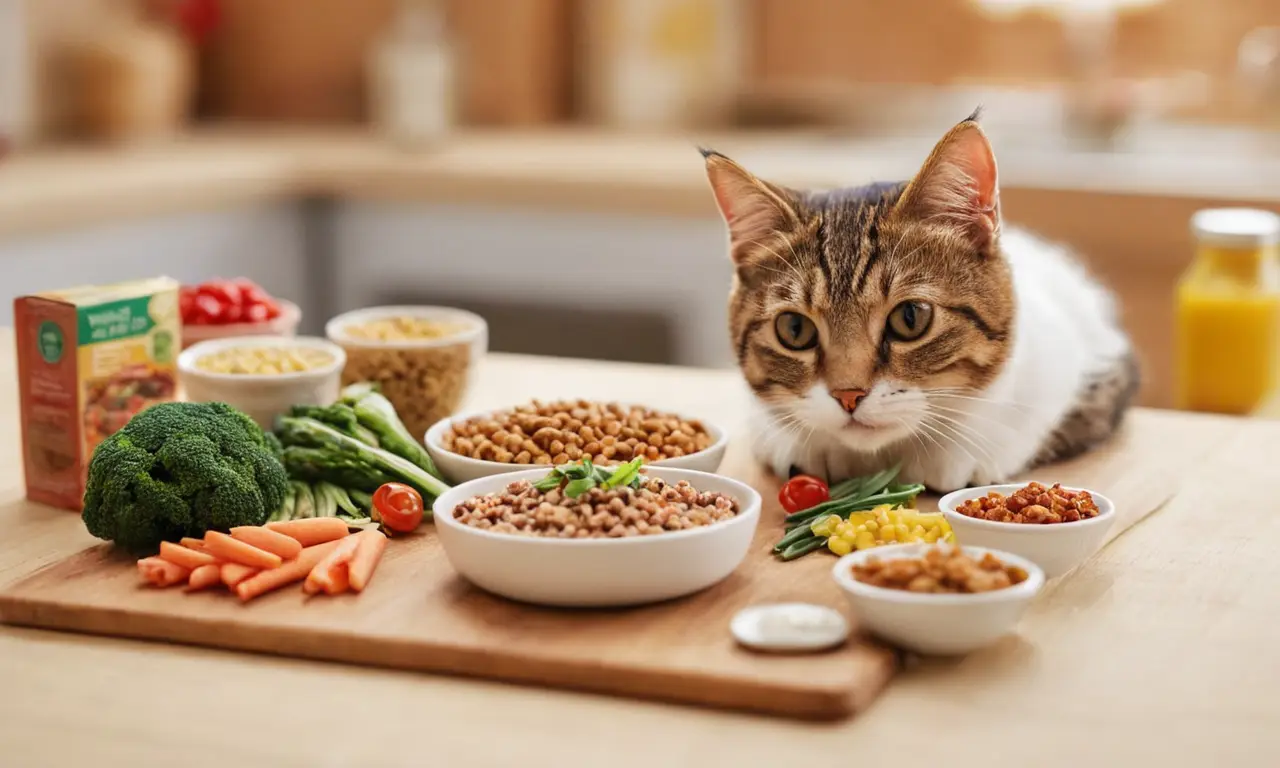
How to Prepare Meat for Cats? A Comprehensive Guide to Safe and Nutritious Feeding
Preparing meat for your feline companion can be a rewarding experience, ensuring they receive a diet that closely mimics their ancestral eating habits. Cats are obligate carnivores, meaning their bodies are biologically designed to thrive on a meat-based diet. While commercial cat food is formulated to provide complete nutrition, many owners are interested in supplementing or even transitioning their cats to a homemade diet. This guide will delve into the intricacies of how to prepare meat for cats?, focusing on safety, nutritional completeness, and the various considerations involved in providing a species-appropriate diet for your beloved pet.
𝙲𝚘𝚗𝚝𝚎𝚗𝚝
- Understanding Feline Nutritional Needs: Why Meat is Paramount
- Essential Safety Precautions When Preparing Meat for Cats
- Raw Meat Preparation for Cats: The Ancestral Diet Approach
- Cooked Meat Preparation for Cats: A Safer Alternative for Some
- What Meats and Ingredients to AVOID When Preparing Cat Food?
- Transitioning Your Cat to a New Diet: A Gradual Approach
- The Role of Commercial Cat Food and Supplements
- In summary: How to Prepare Meat for Cats? With Care and Knowledge
Understanding Feline Nutritional Needs: Why Meat is Paramount
Before we dive into preparation methods, it's crucial to understand why meat is the cornerstone of a cat's diet. Their digestive system is short and efficient, optimized for breaking down animal protein. They have a higher protein requirement than omnivores, and this protein must come from animal sources to provide essential amino acids like taurine, which cats cannot synthesize themselves. Taurine deficiency can lead to serious health issues, including blindness and heart disease.
Furthermore, cats obtain vital nutrients from meat, such as vitamin A (which they cannot convert from beta-carotene found in plants), arachidonic acid, and certain B vitamins. While some commercial cat foods are fortified, preparing meat at home allows for greater control over the quality and type of nutrients your cat receives.
Essential Safety Precautions When Preparing Meat for Cats
The most critical aspect of preparing raw or cooked meat for cats is safety. Both for your cat and for you. Contaminated meat can harbor harmful bacteria like Salmonella, E. coli, and Listeria, which can cause severe gastrointestinal distress, food poisoning, and even be fatal in young, old, or immunocompromised cats.
Puppy Proof Your Home: Essential 5-Step Preparation GuideHere are the non-negotiable safety protocols:
- Source High-Quality Meat: Always purchase meat from reputable sources. Look for fresh, human-grade ingredients. Avoid pre-marinated, seasoned, or processed meats that may contain ingredients toxic to cats (like onions, garlic, or excessive salt). For raw feeding, consider "humanely raised" or "antibiotic-free" options if available.
- Maintain Strict Hygiene: This is paramount.
- Wash your hands thoroughly with soap and water before and after handling raw meat.
- Sanitize all surfaces, utensils, and cutting boards that come into contact with raw meat. Use hot, soapy water and a disinfectant.
- Store raw meat properly in the refrigerator or freezer immediately after purchase.
- Thaw frozen meat safely in the refrigerator, never at room temperature.
- Avoid Cross-Contamination: Keep raw meat separate from other foods, especially those intended for human consumption. Use dedicated cutting boards and utensils for pet food preparation.
- Cooked Meat Safety: If opting for cooked meat, ensure it is cooked thoroughly to an internal temperature that kills harmful bacteria. Avoid undercooked or rare meats.
- Introduce New Foods Gradually: When introducing any new meat to your cat's diet, do so slowly to allow their digestive system to adjust. Start with small amounts and monitor for any signs of digestive upset like vomiting or diarrhea.
Raw Meat Preparation for Cats: The Ancestral Diet Approach
Raw feeding is a popular method for those looking to provide a diet closest to what cats would consume in the wild. It involves feeding uncooked muscle meat, organ meats, and bones.
Types of Raw Meat Suitable for Cats:
- Muscle Meat: Chicken, turkey, duck, beef, lamb, rabbit, and fish (in moderation and prepared correctly).
- Organ Meats: Heart, liver, gizzards, and kidney are nutritional powerhouses and should constitute a significant portion of the diet (typically 10-15%). Liver is particularly rich in vitamins.
- Bones: Raw, meaty bones (like chicken wings, necks, or backs) are excellent for dental health and provide calcium and phosphorus. Never feed cooked bones, as they splinter and can cause internal damage.
Raw Meat Preparation Steps:
- Portioning: Decide on appropriate portion sizes based on your cat's age, activity level, and caloric needs. A general guideline is 2-4% of their ideal body weight per day.
- Grinding (Optional but Recommended): For easier consumption and to incorporate bone, grinding can be beneficial. You can use a dedicated meat grinder or pulse ingredients in a food processor. If grinding bones, ensure your grinder is capable of handling them safely.
- Mixing: Combine muscle meat, organ meats, and raw meaty bones in appropriate ratios. A common starting point for a balanced raw diet is roughly 80% muscle meat, 10% organ meat, and 10% raw meaty bones.
- Freezing: Portion the prepared raw meals into individual servings and freeze them. This helps prevent bacterial growth and makes feeding convenient.
- Thawing and Serving: Thaw one serving in the refrigerator for 24-48 hours before serving. Never microwave raw meat for your cat. Serve it slightly chilled, closer to room temperature.
Important Considerations for Raw Feeding:
- Balance is Key: A purely muscle meat diet is deficient in essential nutrients. Organ meats and bones are crucial for balance.
- Veterinary Consultation: It is highly recommended to consult with a veterinarian or a feline nutritionist experienced in raw diets before transitioning your cat. They can help you create a balanced and safe meal plan tailored to your cat's specific needs.
- Taurine Supplementation: While organ meats contain taurine, ensuring adequate levels, especially in a homemade raw diet, is vital. Some raw feeders supplement with taurine powder.
- Fish Consumption: While cats enjoy fish, feeding it too frequently can lead to thiamine (vitamin B1) deficiency due to an enzyme called thiaminase, which is present in raw fish. Cooked fish is safer if fed occasionally.
Cooked Meat Preparation for Cats: A Safer Alternative for Some
For owners concerned about the risks associated with raw meat, cooking meat to a safe temperature is a viable alternative. This method significantly reduces the risk of bacterial contamination.
Stop Your Cat Jumping Fences: Expert Tips & TricksTypes of Cooked Meat Suitable for Cats:
The same meats suitable for raw feeding can be cooked. However, the preparation methods differ.
Cooked Meat Preparation Steps:
- Choose Plain Meat: Select fresh, unseasoned, and unmarinated meats.
- Cooking Methods:
- Boiling: Boil plain chicken, turkey, or lean beef in water until thoroughly cooked. Drain the water before serving. This is a simple and safe method.
- Steaming: Steaming is another excellent way to cook meat without adding oils or seasonings.
- Baking/Roasting: Bake or roast plain meats at a moderate temperature until fully cooked.
- Avoid Harmful Additives: Absolutely no onions, garlic, salt, pepper, spices, oils, or butter should be added during cooking. These can be toxic or harmful to cats.
- Cooling: Allow the cooked meat to cool down to room temperature or slightly warmer before serving.
- Portioning: Cut or shred the cooked meat into bite-sized pieces your cat can easily eat.
- Storage: Store cooked meat in airtight containers in the refrigerator for up to 3-4 days or freeze for longer storage.
Important Considerations for Cooked Feeding:
- Nutrient Loss: Cooking can reduce the bioavailability of some nutrients, particularly certain B vitamins. This is why it's essential to ensure the diet is balanced, possibly with supplements if it's the sole source of nutrition.
- Bone Content: Never feed cooked bones to your cat. They become brittle and can splinter, causing choking hazards or severe internal injuries to the digestive tract.
- Commercial Food Balance: If you are supplementing with cooked meat, ensure your cat is still receiving a nutritionally complete diet from a high-quality commercial cat food.
What Meats and Ingredients to AVOID When Preparing Cat Food?
Understanding what not to feed your cat is as crucial as knowing what to feed them. Certain human foods can be toxic or cause severe health problems.
- Onions, Garlic, Chives, and Leeks: These alliums contain compounds that can damage a cat's red blood cells, leading to anemia. Garlic is particularly potent.
- Grapes and Raisins: The exact mechanism is unknown, but they can cause kidney failure in cats.
- Chocolate: Contains theobromine, which cats cannot metabolize effectively and can be toxic, leading to vomiting, diarrhea, tremors, seizures, and even death.
- Alcohol: Even small amounts can be toxic, causing vomiting, diarrhea, disorientation, breathing problems, coma, and death.
- Caffeine: Found in coffee, tea, and soda, it can be toxic and cause restlessness, rapid breathing, heart palpitations, and muscle tremors.
- Xylitol: An artificial sweetener found in sugar-free products, it can cause a rapid drop in blood sugar and liver failure.
- Cooked Bones: As mentioned, they splinter and pose a significant danger.
- Fatty Foods and Scraps: While cats are carnivores, a diet too high in fat can lead to pancreatitis and obesity.
- Raw Dough: Yeast in raw dough can rise in the stomach, causing bloating and potentially alcohol poisoning as it ferments.
- Dairy Products: Most adult cats are lactose intolerant and cannot digest lactose properly, leading to digestive upset.
Transitioning Your Cat to a New Diet: A Gradual Approach
Sudden changes in a cat's diet can lead to digestive issues. A gradual transition is essential for a smooth and comfortable adjustment.
Stop Plant-Eating Cats: Your Guide to Prevention- Start Small: Introduce the new meat (either raw or cooked) in very small amounts, mixed with their current food.
- Increase Gradually: Over several days (typically 7-10 days), slowly increase the proportion of the new food while decreasing the old.
- Monitor Closely: Watch for any signs of digestive upset like vomiting, diarrhea, or changes in appetite. If you notice any issues, slow down the transition process or consult your veterinarian.
- Patience is Key: Some cats can transition quickly, while others may take longer. Be patient and consistent.
The Role of Commercial Cat Food and Supplements
For many cat owners, a balanced commercial cat food is the most practical and reliable way to ensure their cat receives complete and balanced nutrition. However, if you choose to supplement with homemade meat, it's important to understand how it fits into their overall diet.
- Supplementing: Adding small portions of safely prepared meat as a treat or occasional meal topper to a commercial diet can be a great way to enhance palatability and provide variety.
- Homemade Diets as Primary Nutrition: If you are considering a 100% homemade diet (raw or cooked), it is absolutely critical to work with a veterinarian or a feline nutritionist to ensure it is properly balanced with all the necessary vitamins, minerals, and amino acids. Simply feeding meat is not enough for long-term health.
- Supplements: Depending on the diet you choose, supplements like taurine, calcium, vitamins, and essential fatty acids might be necessary. This is another area where professional guidance is invaluable.
In summary: How to Prepare Meat for Cats? With Care and Knowledge
Preparing meat for cats can be a rewarding way to nourish your feline friend with a diet that aligns with their carnivorous nature. However, safety, nutritional balance, and an understanding of their specific dietary needs are paramount. Whether you opt for a raw or cooked approach, always prioritize high-quality ingredients, impeccable hygiene, and gradual transitions. Consulting with your veterinarian is the most crucial step in ensuring you are providing the best possible nutrition for your beloved cat, making the process of how to prepare meat for cats? a safe and beneficial endeavor. Remember, a healthy cat is a happy cat, and a well-prepared diet is a cornerstone of their well-being.
Cat Urinary Crystals: Types, Symptoms & Treatment Guide

Cat Weight: How Do I Know If My Cat Is Fat?

Encephalitis in Dogs: Symptoms, Causes & Treatment

Dog Cavities: Causes, Symptoms, and Treatment Options

Natural Flea Relief: Home Remedies for Fleas in Cats

Newborn Puppy Feeding Guide: From Birth to Weaning
Related posts