
Dog Smell Removal: Infallible Tricks for a Fresh Home
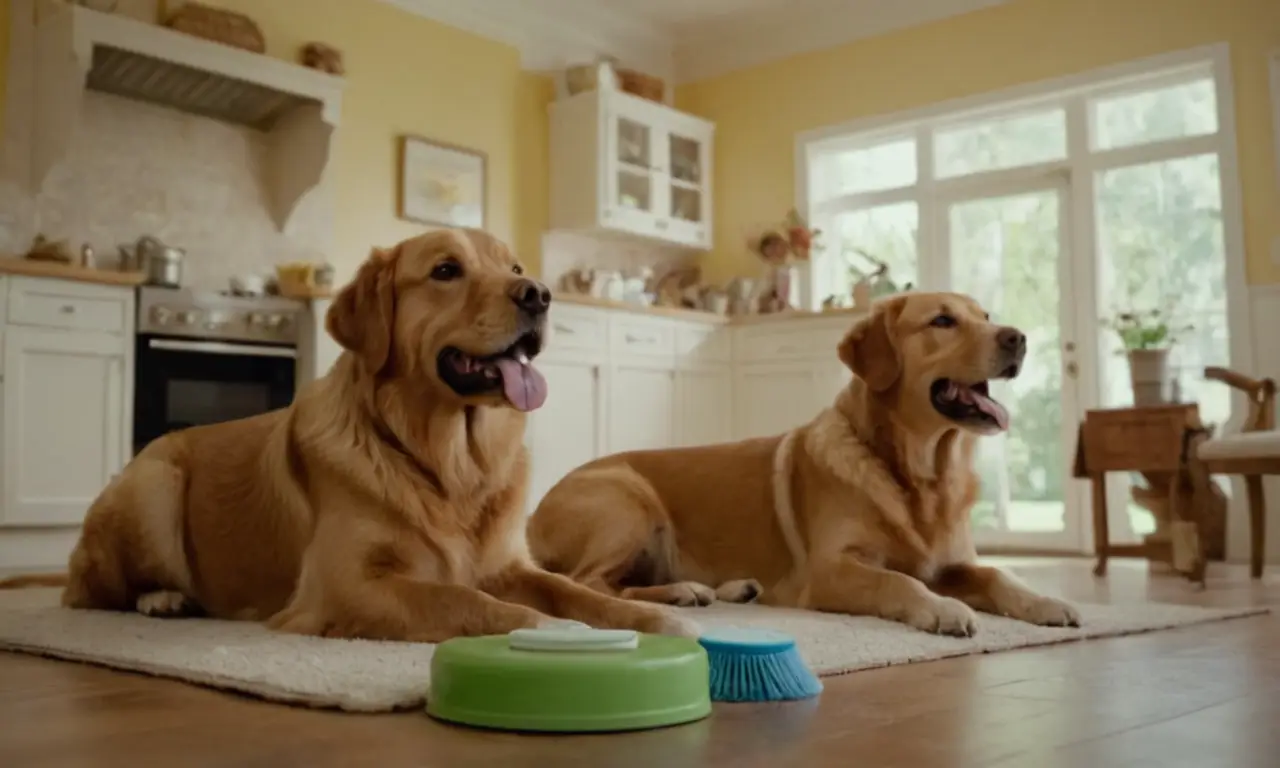
How to Remove Dog Smell from the House – Infallible Tricks
Living with a canine companion brings immense joy and unconditional love, but it can also bring a certain… aroma. The distinct scent of "dog" can linger in our homes, often proving a persistent challenge for even the most diligent pet owners. Fortunately, banishing these unpleasant odors is not an insurmountable task. This comprehensive guide delves into How to remove dog smell from the house – Infallible tricks that will restore freshness and make your living space truly inviting once more. We’ll explore the root causes of dog odor, effective cleaning strategies, natural remedies, and preventative measures to ensure a perpetually pleasant environment for both you and your furry friend.
𝙲𝚘𝚗𝚝𝚎𝚗𝚝
- Understanding the Source of Dog Odor
- Deep Cleaning: The Foundation of Odor Removal
- Natural Remedies for Odor Neutralization
- Air Purification and Ventilation
- Addressing the "Wet Dog" Smell
- Tackling Stubborn Odors: Enzymatic Cleaners
- Prevention: The Best Defense Against Dog Smell
- When to Consult a Veterinarian
Understanding the Source of Dog Odor
Before we can effectively combat dog smell, it's crucial to understand where it originates. Several factors contribute to the unique aroma our dogs can bring into our homes:
Dander and Saliva
Dogs, like all mammals, shed dead skin cells (dander) and produce saliva. These microscopic particles are potent odor carriers. Dander can become trapped in carpets, upholstery, and even the air, while dried saliva on toys, bedding, or even your dog's fur can develop a musty smell.
Oil and Sebum Production
A dog's skin naturally produces oils and sebum to keep it healthy and moisturized. While beneficial for their coat, these oils can accumulate and, when exposed to air, oxidize and create an unpleasant, greasy odor. This is often more pronounced in certain breeds or dogs with specific skin conditions.
Environmental Factors and Moisture
When dogs spend time outdoors, they can pick up a variety of scents from their environment – mud, rain, grass, and even other animals. If this moisture and the associated odors are not properly managed, they can seep into your home's fabrics and surfaces, exacerbating the smell. Wet dog smell is a classic example.
Accidental "Accidents"
Urine and feces, while thankfully not a daily occurrence for most house-trained dogs, are potent sources of odor. If not cleaned up thoroughly and immediately, these can leave behind strong, lingering smells that penetrate deep into flooring and furniture.
Diet and Health
A dog's diet can significantly impact their body odor. Poor quality food or digestive issues can lead to a more pronounced smell. Additionally, certain underlying health conditions, such as ear infections, skin infections, or anal gland issues, can contribute to foul odors.
Persian Cat Grooming: Expert Tips on How to Remove KnotsDeep Cleaning: The Foundation of Odor Removal
Effective odor removal starts with a thorough and consistent cleaning routine. This isn't just about surface tidiness; it's about penetrating those areas where odors tend to hide.
Regular Vacuuming is Key
- Frequency: Aim to vacuum your carpets, rugs, and upholstery at least twice a week, or more frequently if you have a shedding dog or notice odors developing.
- Attachment Usage: Utilize the crevice tool to reach corners and edges, and the upholstery attachment for sofas, chairs, and dog beds.
- HEPA Filter: Consider using a vacuum cleaner with a HEPA filter. These filters trap smaller particles, including dander and odor-causing allergens, preventing them from being recirculated into the air.
Washing Dog Bedding and Toys
- Frequency: Wash your dog's bedding, blankets, and any fabric toys at least weekly. Use a mild, unscented detergent.
- Hot Water: Whenever possible, wash these items in hot water to kill bacteria and neutralize odors.
- Drying: Ensure bedding is thoroughly dried, either in a dryer on a medium heat setting or air-dried in a well-ventilated area, to prevent mildew.
- Plastic/Rubber Toys: For non-fabric toys, a good scrub with warm, soapy water and a rinse should suffice.
Cleaning Hard Surfaces
- Floors: Mop hard floors regularly with a pet-friendly floor cleaner. For persistent odors, a solution of equal parts white vinegar and water can be effective.
- Walls and Baseboards: Don't overlook walls and baseboards, especially at dog height. These can trap odors and dander. Wipe them down with a damp cloth and a mild cleaner.
Upholstery and Fabric Cleaning
- Steam Cleaning: Periodically steam cleaning your carpets and upholstery can work wonders. Rent a steam cleaner or hire a professional service for a deep clean that extracts embedded odors.
- Spot Cleaning: For immediate spills or stains, blot up as much of the mess as possible, then treat with a pet-specific enzymatic cleaner.
Natural Remedies for Odor Neutralization
While commercial cleaning products can be effective, many pet owners prefer to use natural and pet-safe alternatives. These methods are often just as potent and much gentler on your home and your dog.
The Power of White Vinegar
White vinegar is a natural deodorizer and disinfectant. Its acidic nature breaks down alkaline-based odors.
- For Fabrics: Mix one part white vinegar with two parts water in a spray bottle. Lightly mist carpets, upholstery, and dog bedding. Allow it to air dry. The vinegar smell will dissipate as it dries, taking the dog odor with it.
- For Surfaces: Use a diluted vinegar solution to wipe down hard surfaces.
- In the Laundry: Add a cup of white vinegar to your dog's laundry cycle to help remove odors from their bedding and blankets.
Baking Soda: The Ultimate Odor Absorber
Baking soda is a highly effective natural odor absorber. It neutralizes acidic and basic odor molecules.
- For Carpets and Upholstery: Sprinkle a generous amount of baking soda over carpets, rugs, and upholstery. Let it sit for at least 15-30 minutes, or preferably overnight for deeper odors. Then, vacuum thoroughly.
- In Trash Cans: Sprinkle baking soda in the bottom of your trash cans to absorb odors from pet waste bags.
- In Dog Beds: Sprinkle baking soda on your dog's bed, let it sit, and then brush or vacuum it off before washing.
Lemon and Citrus Solutions
The natural acidity and fresh scent of citrus can help combat dog odors.
- Lemon Water Spray: Boil a cup of water and add the rinds of two lemons. Let it steep overnight, then strain and pour into a spray bottle. Lightly mist fabrics.
- Citrus Peels: Leave fresh citrus peels (orange, lemon, grapefruit) in bowls around the house to help absorb odors and provide a pleasant scent.
Activated Charcoal
Activated charcoal is renowned for its porous structure, which allows it to effectively absorb a wide range of odors from the air.
- Placement: Place bowls of activated charcoal in areas where odors are most prominent, such as near your dog's sleeping area or in poorly ventilated rooms.
- Rechargeable: Many activated charcoal bags or containers can be recharged by placing them in direct sunlight for a few hours.
Air Purification and Ventilation
Good airflow is crucial for preventing and eliminating stale odors.
Report Animal Abuse on Social Media: A Comprehensive GuideOpen Windows Regularly
Even for short periods, opening windows allows fresh air to circulate, flushing out stale, odor-laden air and bringing in invigorating oxygen.
Invest in an Air Purifier
- HEPA and Carbon Filters: Look for air purifiers with HEPA filters (for particles like dander) and activated carbon filters (for odor molecules). These can significantly improve air quality and reduce lingering smells.
- Placement: Place air purifiers in rooms where your dog spends the most time, or in areas prone to odors.
Use Fans Effectively
Ceiling fans and portable fans can help circulate air and prevent it from becoming stagnant. Position them to move air towards open windows or ventilation points.
Addressing the "Wet Dog" Smell
The dreaded wet dog smell can be particularly challenging. It occurs when water on your dog's fur evaporates, releasing volatile compounds produced by bacteria.
Immediate Towel Drying
- Thoroughness: After a bath or a walk in the rain, towel dry your dog as thoroughly as possible. Use multiple towels if needed.
- Microfiber Towels: Microfiber towels are highly absorbent and can speed up the drying process.
Pet-Specific Grooming Sprays
- Deodorizing Sprays: Use a pet-specific deodorizing spray on your dog's coat after drying. Ensure the spray is formulated for pets and is free of harsh chemicals.
- Natural Options: Some natural options include diluted apple cider vinegar (use sparingly and ensure it's well-diluted) or specialized pet deodorizing colognes.
Proper Bathing Routine
- Frequency: Bathe your dog regularly, but not too often, as over-bathing can strip their skin of natural oils. Consult your veterinarian for the optimal bathing schedule for your dog's breed and skin type.
- Quality Shampoo: Use a high-quality, pH-balanced dog shampoo. There are also deodorizing shampoos available that can help.
Tackling Stubborn Odors: Enzymatic Cleaners
For accidents or particularly stubborn odors that have permeated fabrics, enzymatic cleaners are your best friend.
How They Work
Enzymatic cleaners contain specific enzymes that break down organic matter (like urine, feces, vomit, and saliva) at a molecular level, effectively eliminating the source of the odor rather than just masking it.
Application
- Blot: For fresh accidents, blot up as much moisture as possible with paper towels.
- Apply: Generously saturate the affected area with the enzymatic cleaner.
- Penetration: Allow the cleaner to penetrate deeply into the fibers. This may require leaving it on for several hours or even overnight.
- Drying: Let the area air dry completely. The odor should be gone once it's dry.
- Repeat if Necessary: For very old or deep-set stains, you may need to repeat the application.
Prevention: The Best Defense Against Dog Smell
The most effective way to manage dog odor is to prevent it from becoming a problem in the first place.
Regular Grooming
- Brushing: Brush your dog regularly to remove loose hair, dander, and dirt. This not only reduces shedding but also distributes natural oils and can improve coat health.
- Nail Trimming: Long nails can track dirt and debris around the house.
- Ear Cleaning: Regularly check and clean your dog's ears to prevent infections, which can cause strong odors.
- Dental Hygiene: Bad breath can contribute to overall house odor. Brush your dog's teeth regularly and provide dental chews.
Diet and Hydration
- Quality Food: Feed your dog a high-quality, balanced diet. This can improve their overall health, including skin and coat condition, and reduce digestive issues that contribute to odor.
- Water: Ensure your dog has access to fresh, clean water at all times.
Training and Housebreaking
- Consistency: Consistent house-training is essential. Promptly clean up any accidents and use enzymatic cleaners to eliminate the scent entirely.
- Potty Breaks: Regular potty breaks can prevent accidents indoors.
Maintaining a Clean Environment
- Regular Cleaning Schedule: Stick to a regular cleaning schedule for your home, focusing on areas frequented by your dog.
- Air Out the House: Make it a habit to air out your home daily.
Consider Professional Grooming
Regular professional grooming can be a game-changer, especially for breeds prone to shedding or specific odor issues. Groomers can provide deep cleaning, de-shedding treatments, and specialized shampoos.
Rabbit Scolding: Effective & Humane Ways to Discipline Your BunnyWhen to Consult a Veterinarian
If you've implemented all of the above and your dog's odor persists or seems unusually strong, it's important to consult your veterinarian. Underlying health issues can be the cause, and addressing them will not only improve your dog's health but also eliminate the odor.
Potential Health Concerns
- Skin Infections: Bacterial or fungal infections can cause foul-smelling skin.
- Ear Infections: These are common and can produce a very unpleasant odor.
- Anal Gland Issues: Impacted or infected anal glands can release a strong, fishy odor.
- Dental Problems: Severe dental disease can lead to persistent bad breath.
- Digestive Issues: Certain dietary intolerances or gastrointestinal problems can affect body odor.
By understanding the causes of dog odor and implementing a consistent, multi-pronged approach to cleaning, deodorizing, and prevention, you can effectively remove dog smell from the house – Infallible tricks. Enjoy a fresher, cleaner home and a happier, healthier bond with your beloved canine companion.
Cat Urinary Crystals: Types, Symptoms & Treatment Guide

Cat Weight: How Do I Know If My Cat Is Fat?
Encephalitis in Dogs: Symptoms, Causes & Treatment
Dog Cavities: Causes, Symptoms, and Treatment Options
Natural Flea Relief: Home Remedies for Fleas in Cats

Newborn Puppy Feeding Guide: From Birth to Weaning
Related posts