

Persian Cat Grooming: Expert Tips on How to Remove Knots
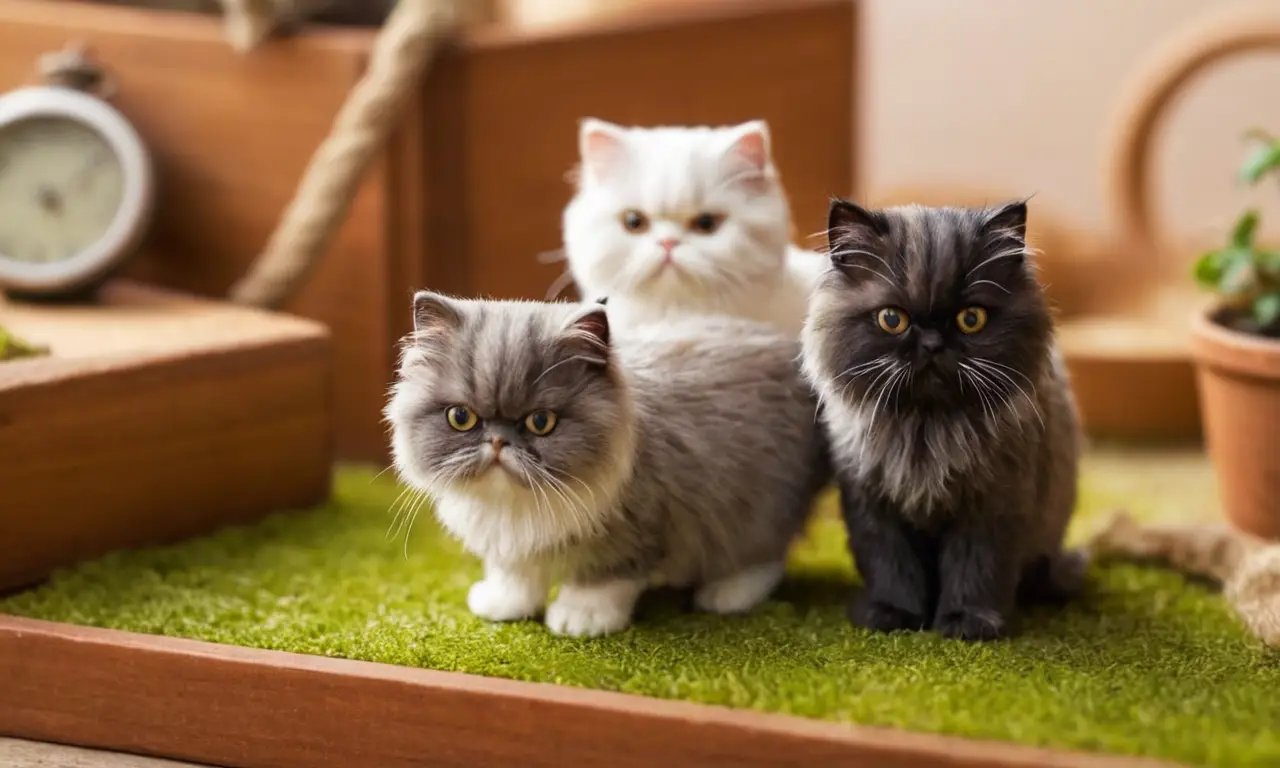
Persian Cat Grooming: Expert Tips on How to Remove Knots
Keeping a Persian cat's long, luxurious coat in pristine condition requires dedication and a systematic approach, especially when it comes to tackling those stubborn knots and mats. This comprehensive guide will walk you through the essential steps and considerations for effectively and safely removing knots from your Persian cat, ensuring their comfort and maintaining their beautiful appearance.
Persian cats are renowned for their stunning, flowing fur, but this beauty comes with a significant grooming commitment. Their dense undercoat and long outer hairs are prone to tangling, especially if regular brushing is neglected or if the cat experiences shedding cycles. Mats are not just unsightly; they can cause discomfort, skin irritation, and even lead to painful infections if left untreated. Understanding the best practices for knot removal is crucial for every Persian cat owner.
𝙲𝚘𝚗𝚝𝚎𝚗𝚝
Understanding the Nature of Persian Cat Knots
Before diving into the removal process, it’s helpful to understand why knots form so readily in Persian cats. Their breed predisposition includes a thick double coat. The undercoat is soft and downy, while the outer coat is long and silky. When these hairs intertwine and are exposed to friction, moisture, or simply neglect, they can become compacted, forming tight tangles that eventually develop into mats. Factors contributing to knot formation include:
Report Animal Abuse on Social Media: A Comprehensive Guide- Lack of Regular Grooming: This is the primary culprit. Daily brushing is ideal for Persian cats to prevent tangles from forming in the first place.
- Shedding Cycles: During periods of heavy shedding, loose hairs can get trapped within the coat, accelerating matting.
- Moisture: A wet coat is more prone to tangling. If your Persian cat gets wet (from rain, a bath, or even licking excessively), it's essential to dry and brush them thoroughly.
- Friction: Collars, harnesses, or even just the natural movement of the cat can cause friction that tightens knots.
- Skin Conditions: Underlying skin issues can sometimes lead to a matted coat in specific areas.
Essential Tools for Knot Removal
Having the right tools at your disposal is paramount for efficient and safe knot removal. Investing in quality grooming supplies will make the process much easier for both you and your feline companion.
- Wide-Tooth Comb: This is your first line of defense. A wide-tooth comb is excellent for gently working through minor tangles and preventing them from developing into severe mats. Look for combs with rounded teeth to minimize pulling on the fur and skin.
- Slicker Brush: A slicker brush with fine, short wires is effective for removing loose undercoat and minor surface tangles. Use it with a light touch to avoid irritating the skin.
- Detangling Spray/Conditioner: A pet-specific detangling spray or conditioner can be a lifesaver. These products help to lubricate the hair, making it easier to comb through knots without causing breakage or discomfort. Ensure the product is safe for cats.
- Mat Splitter or Dematting Tool: These specialized tools have sharp blades designed to cut through mats. They come in various designs, from combs with small, hooked blades to rakes with multiple blades. Use these with extreme caution.
- Sharp Pet Grooming Scissors: For very stubborn or large mats, sharp, blunt-tipped grooming scissors are necessary. Blunt tips are crucial for safety to avoid accidentally poking your cat.
- Styptic Powder: In the unfortunate event of a small nick or cut during the grooming process, styptic powder can quickly stop bleeding.
- Treats and High-Value Rewards: Positive reinforcement is key. Have plenty of your cat's favorite treats on hand to reward good behavior.
Step-by-Step Guide: How to Remove Knots from a Persian Cat
Now, let's get down to the practicalities of how to remove knots from a Persian cat. Patience and a gentle approach are your most important assets.
1. Preparation and Setting the Mood
- Choose the Right Time: Groom your cat when they are relaxed and calm. Avoid times when they are overstimulated, sleepy, or stressed. A post-meal nap is often a good time.
- Create a Calm Environment: Ensure the grooming area is quiet, well-lit, and comfortable. Avoid loud noises or distractions.
- Gather Your Tools: Have all your supplies within easy reach before you begin.
- Start with Gentle Petting: Begin by simply petting your cat, getting them accustomed to your touch in the area you plan to groom.
2. Initial Detangling with a Comb
- Start with Minor Tangles: Begin by gently trying to work out any loose tangles with your wide-tooth comb.
- Work in Sections: Focus on one small area at a time. Don't try to tackle the entire coat at once.
- Support the Fur: When combing, gently hold the fur at the base of the tangle with your fingers. This helps to prevent pulling on the skin and minimizes discomfort.
- Use Detangling Spray: If you encounter resistance, lightly mist the knot with your detangling spray. Let it soak in for a moment before attempting to comb again.
- Gentle Strokes: Use short, gentle strokes, working from the ends of the hair towards the knot, and then gradually working your way through the knot.
3. Tackling Stubborn Knots
If the comb alone isn't enough, it's time to move to more specialized tools.
Rabbit Scolding: Effective & Humane Ways to Discipline Your Bunny- The Finger Method: For small, loose knots, try gently teasing them apart with your fingers. You can also use the tips of your fingers to separate the hairs within the knot.
- Using a Mat Splitter:
- Isolate the Mat: Hold the fur above the mat firmly with one hand to keep it from pulling on the skin.
- Careful Insertion: With the mat splitter in your other hand, carefully insert the teeth or blade into the edge of the mat.
- Gentle Sawing Motion: Use a gentle sawing motion, working from the outer edges of the mat towards the center. The goal is to break up the compacted hair.
- Work in Layers: Don't try to cut through the entire mat in one go. Work in small sections, gradually breaking down the mat.
- Be Patient: This method requires patience. Take breaks if your cat becomes restless.
- Using Dematting Tools (Rakes):
- Similar Principle: Dematting rakes work on a similar principle, using multiple blades to cut through mats.
- Gentle Pressure: Apply minimal pressure and always hold the fur at the base of the mat.
- Direction of Fur: Brush in the direction of hair growth.
4. The Surgical Approach: Using Scissors (As a Last Resort)
This is the most drastic method and should only be used when all other options have failed, or for very large, tight mats that pose a health risk.
- Safety First: Always use blunt-tipped grooming scissors. Never use sharp household scissors.
- Isolate the Mat: Slide a comb between the mat and the cat's skin. This acts as a barrier, protecting the skin from accidental cuts.
- Cut Carefully: Carefully snip through the mat above the comb. Cut in small increments, making several small cuts rather than one large one.
- Cut Vertically or Horizontally: Depending on the mat's density, you might cut vertically into the mat to break it up, or horizontally if it's a large, flat mat.
- Check the Skin: Constantly check the skin beneath the mat to ensure you are not cutting too close.
- If Unsure, Stop: If you are not confident or the mat is very close to the skin, it's better to seek professional help.
5. Post-Knot Removal Care
Once the knots are removed, your cat's skin might be a bit sensitive.
- Gentle Brushing: After removing the mats, gently brush the area to smooth out the fur and remove any remaining loose hairs.
- Inspect the Skin: Carefully examine the skin where the mats were for any redness, irritation, or nicks. If you notice any, a soothing, pet-safe balm can be applied.
- Reward Generously: Give your cat lots of praise and their favorite treats for their cooperation.
Preventing Future Knots: Proactive Grooming for Persian Cats
Prevention is always better than cure, especially when it comes to knotting in Persian cats. Consistent grooming habits are essential.
How to Separate Two Fighting Dogs Safely & Effectively- Daily Brushing: Aim for at least 15-30 minutes of daily brushing. This helps to prevent tangles from forming and removes loose undercoat.
- Use the Right Tools: Invest in a good quality wide-tooth comb and a slicker brush designed for long-haired cats.
- Brush in Sections: Systematically brush through the entire coat, section by section, ensuring you reach the undercoat.
- Pay Attention to Problem Areas: Some cats are more prone to matting in specific areas, such as behind the ears, under the arms, around the tail, and on the hindquarters. Give these areas extra attention.
- Regular Baths (When Necessary): While not all Persian cats need frequent baths, occasional baths with a high-quality cat shampoo and conditioner can help keep their coat healthy and manageable. Ensure you dry them thoroughly afterwards.
- Consider Professional Grooming: If you struggle with daily grooming or your cat develops severe mats, a professional groomer can help. They have the experience and tools to tackle tough situations safely.
- Diet and Hydration: A healthy diet contributes to a healthy coat. Ensure your cat is well-hydrated, as this can also impact coat health.
When to Seek Professional Help
While you can manage most knot situations at home, there are times when it's best to call in the experts.
- Severe Matting: If your cat is severely matted all over their body, it can be too painful and stressful to attempt at home. Professional groomers have specialized equipment and techniques to handle extensive matting.
- Mats Close to the Skin: Mats that are very tight against the skin can be difficult and dangerous to remove yourself. A groomer can better assess the risk and use safe methods.
- Aggressive or Fearful Cats: If your cat becomes extremely agitated, aggressive, or fearful during grooming, it's safer for both of you to let a professional handle it.
- Underlying Skin Issues: If you suspect your cat has a skin infection or irritation that is contributing to matting, a veterinarian should be consulted before attempting any grooming.
In summary
Grooming your Persian cat is an act of love and essential for their well-being. Mastering how to remove knots from a Persian cat requires patience, the right tools, and a consistent routine. By dedicating time to daily brushing and understanding how to gently tackle any tangles that arise, you can keep your Persian cat's coat beautiful, comfortable, and healthy, strengthening the bond between you and your magnificent feline companion. Remember, a happy cat is a well-groomed cat!
Cat Urinary Crystals: Types, Symptoms & Treatment Guide

Cat Weight: How Do I Know If My Cat Is Fat?

Encephalitis in Dogs: Symptoms, Causes & Treatment

Dog Cavities: Causes, Symptoms, and Treatment Options

Natural Flea Relief: Home Remedies for Fleas in Cats

Newborn Puppy Feeding Guide: From Birth to Weaning
Related posts